Last updated November 22, 2026
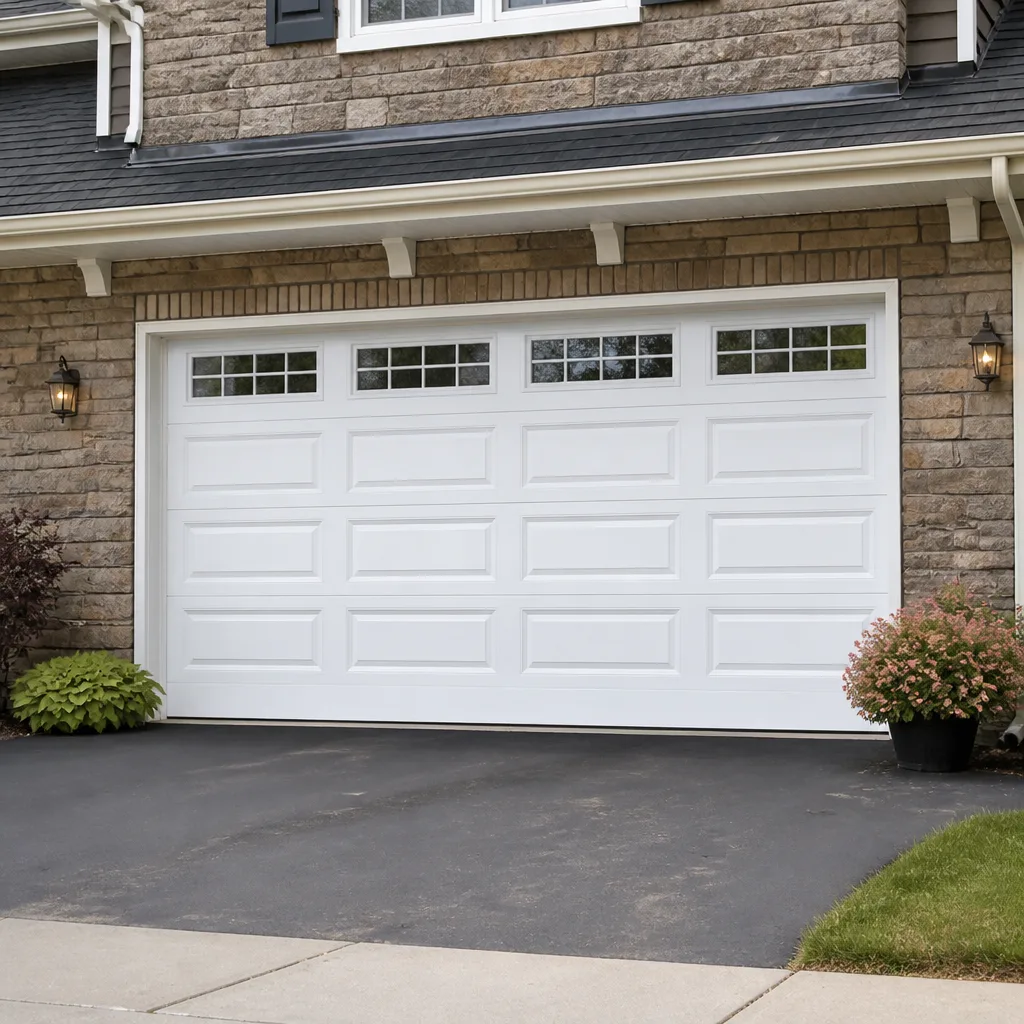 Raised-panel steel
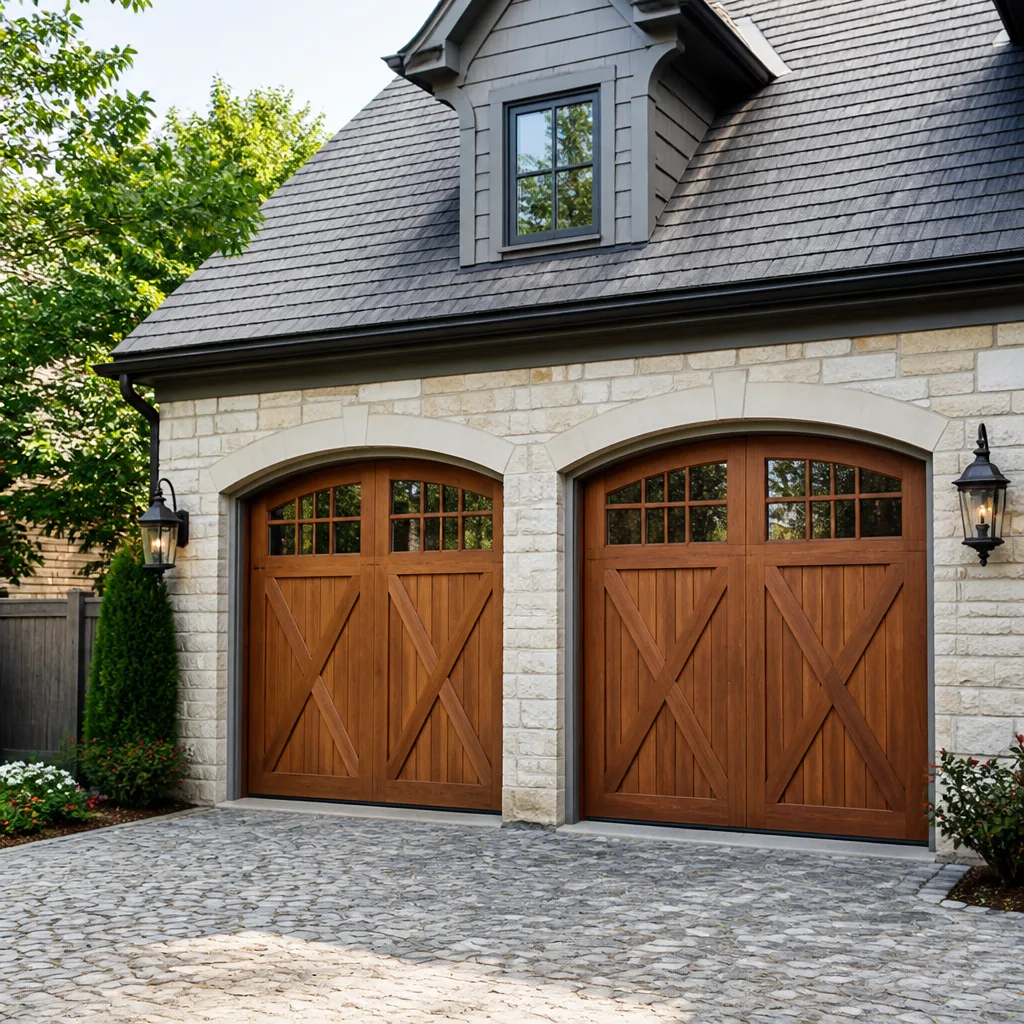 Carriage house
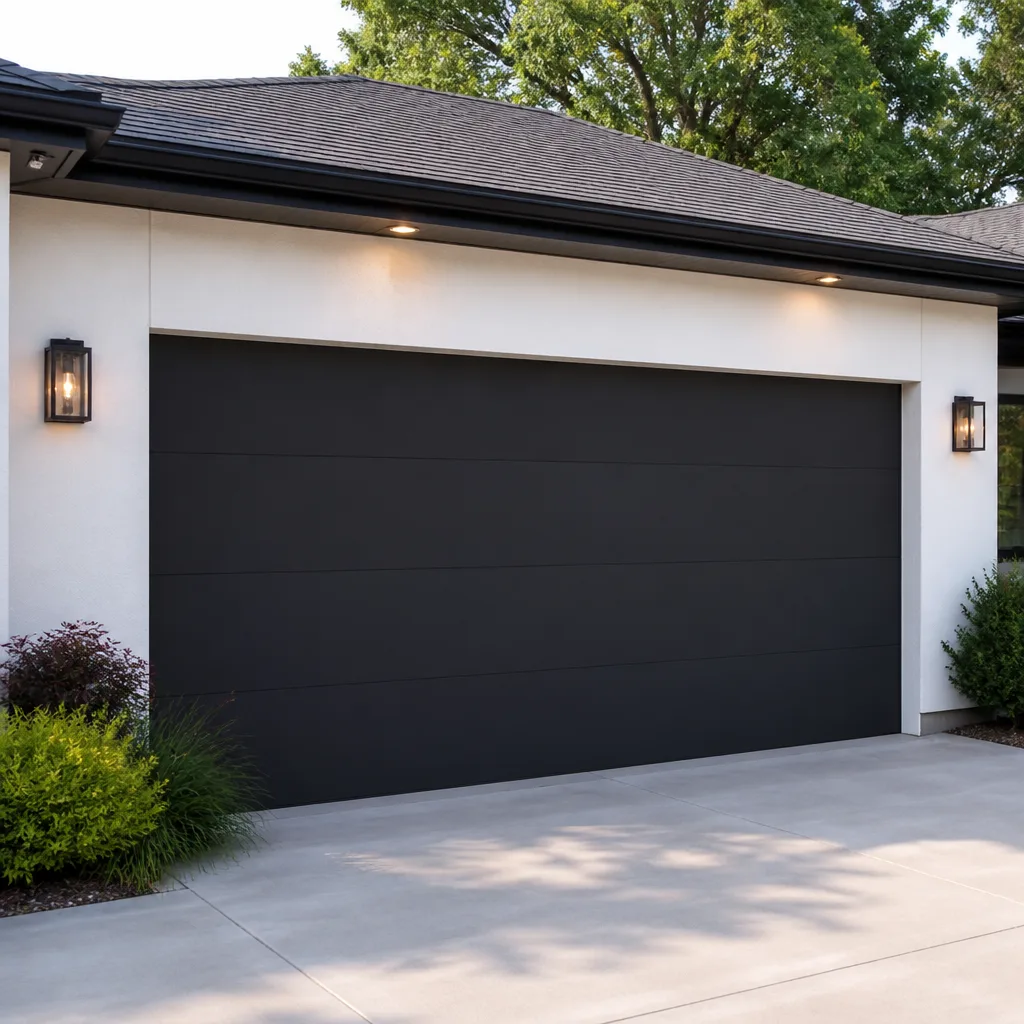 Modern flush
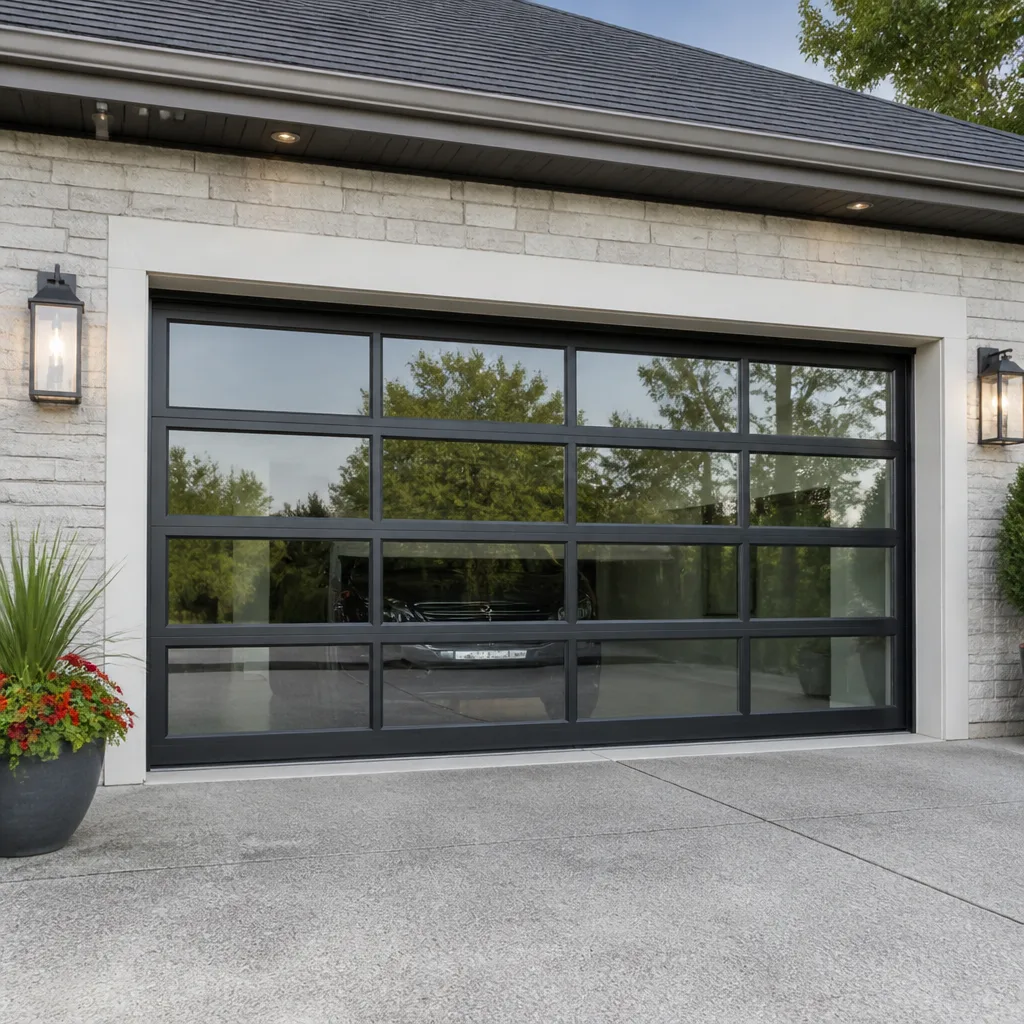 Full-view glass
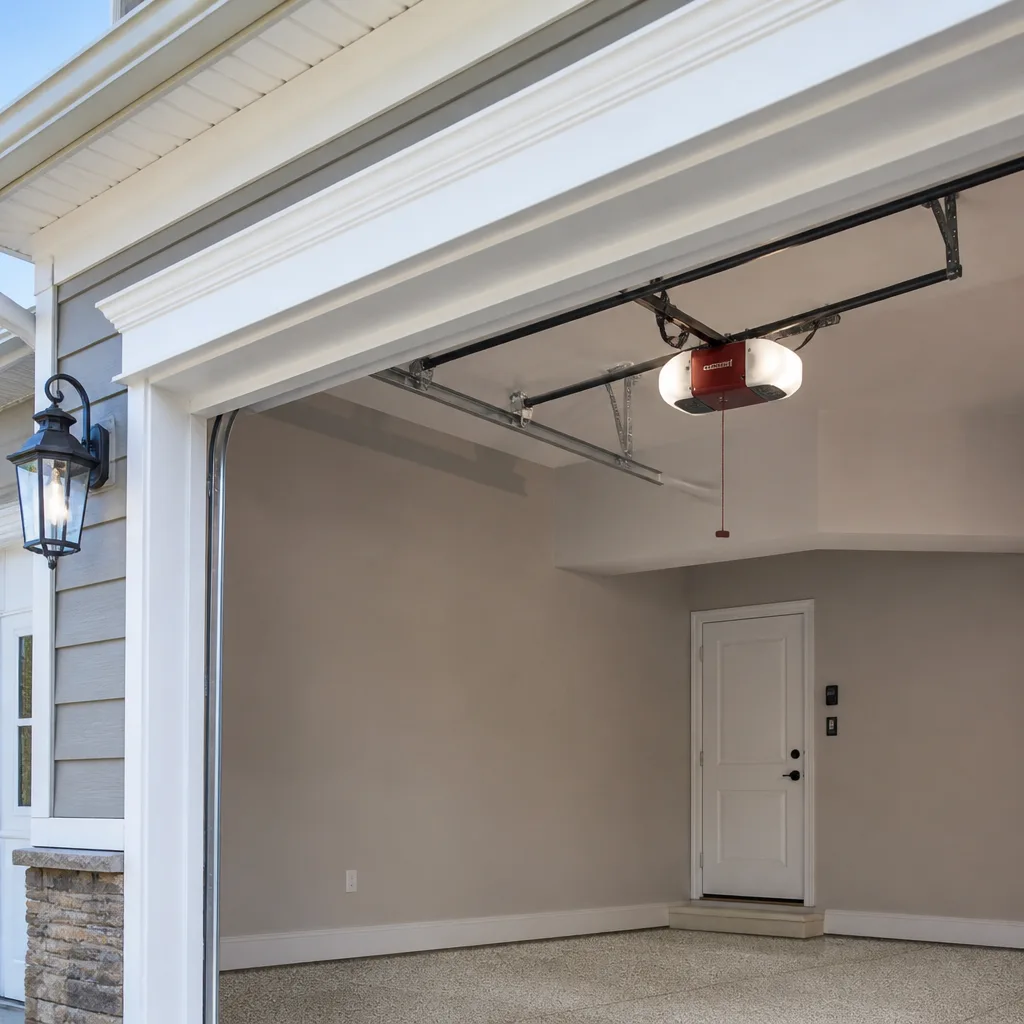 LiftMaster openers
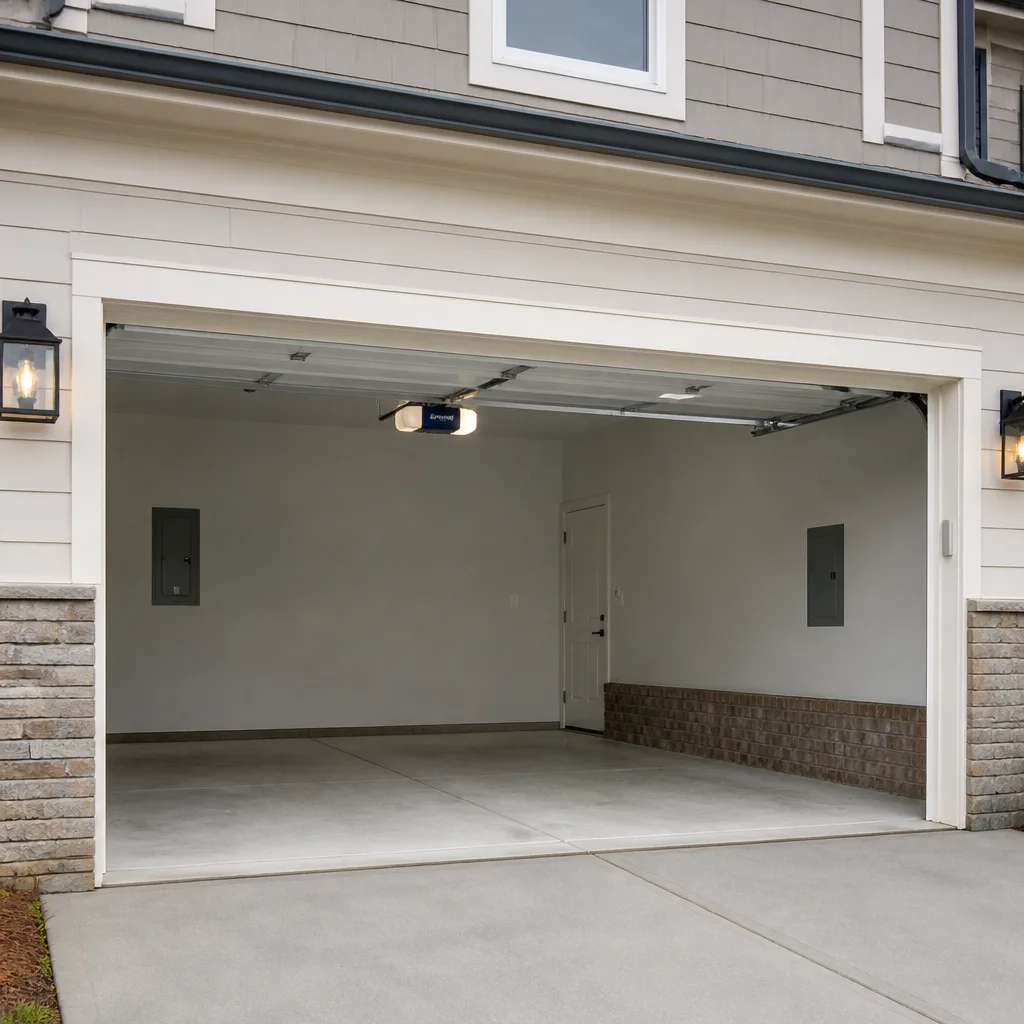 Chamberlain openers
Full 25-point door and opener safety check with every visit - springs, cables, rollers, tracks, and your LiftMaster or Chamberlain opener included
You get a price before we start. It does not change when the pro arrives.
Get your free estimateHow to Hire a Garage Door Contractor in Powderhorn: A Step-by-Step Guide
Most homeowners who call about a “broken garage door” don’t actually need a new door. They need a spring, a cable, or a roller. The problem is that not every contractor will tell them that. Full replacement is where the money is, and selling it to someone who only needs a repair is the most common upsell in this trade.
We connect Powderhorn homeowners with independent local pros who do the work, and we’ve heard every version of this story. A vague quote that grows legs halfway through the job. An “emergency fee” added to a Tuesday afternoon call. A technician who insists a twelve-year-old door is past saving when the frame underneath is fine.
This guide is written to protect you from that. You’ll learn the five questions to ask before anyone touches your door, what a legitimate written estimate looks like, how to check licensing without drowning in city paperwork, and which red flags should send you back to the phone book. By the end, you’ll know how to hire a garage door contractor in Powderhorn on your terms.
Quick Answer
Hire a garage door contractor in Powderhorn by asking five direct questions: what exactly is broken, is repair an option or only replacement, what’s the written price, who’s licensed and insured, and are the technicians trained on your specific brand. Then get it in writing before any work begins. A trustworthy contractor tells you when a repair will do – and a spring fix usually costs far less than a new door.
Styles & brands we work with
- Raised-panel steel
- Carriage house
- Modern flush
- Full-view glass
- LiftMaster openers
- Chamberlain openers
Table of Contents
- Why Vetting the Contractor Matters More Than the Credentials
- The Five Questions to Ask Before Anyone Touches Your Door
- What a Legitimate Estimate Looks Like
- Why Multi-Brand Experience Matters on Powderhorn’s Older Garages
- How to Verify Licensing Without Getting Lost in City Paperwork
- Emergency Calls: Red Flags When You’re Under Pressure
- Spring Repair: The One Job You Should Never Vet Casually
- Step-by-Step: Hiring a Contractor in Powderhorn
Why Vetting the Contractor Matters More Than the Credentials
Licensing and insurance are the floor, not the whole test. Every contractor you should be talking to has them. The thing that separates a good hire from a bad one is honesty about what your door actually needs. A licensed contractor can still oversell you. Credentials don’t stop that. Willingness to explain does.
Garage doors sit at an awkward intersection for homeowners. You use yours every day, you know it’s making a weird noise, and you have no language to describe the problem beyond “it’s busted.” That knowledge gap is exactly where a bad contractor does his work. If you can’t tell a torsion spring from a track roller, you can’t tell whether the diagnosis you just got is real.
In Powderhorn, we see this play out across the neighborhood’s mix of century-old houses with converted carriage spaces and mid-century homes with original wooden doors. The older homes tend to have hardware that’s been modified over the years – doors that were rehung, tracks that were shimmed, openers that were swapped in later. That clutter makes lazy diagnosis easier. A contractor who knows what he’s looking at can spot a misaligned track in minutes. One who’s selling replacement will call it a full-system failure.
Vet for honesty first. Then check everything else.
- Honest contractors explain the diagnosis. They name the broken part and point at it.
- They offer repair options first. Replacement comes up when repair genuinely won’t hold.
- They’re comfortable saying “you don’t need to do anything yet.” That’s a good sign, not a lost sale.
- They put numbers in writing before starting. No verbal ballparks.
If you take nothing else from this guide, take this: a contractor who can’t explain why a $150 repair won’t work probably hasn’t found the actual problem. When you’re ready to compare options, our Garage Door Repair Powderhorn team can walk you through what’s likely going on with your door over the phone before anyone shows up.
The Five Questions to Ask Before Anyone Touches Your Door
Ask these five before a technician touches your door. The answers tell you more than any review page will.
1. “What exactly is broken?”
You’re looking for a specific part named out loud – a spring, a cable, a hinge, a roller, a circuit board on the opener. If the answer is “the whole system” without a demonstration, you’ve learned something about the contractor.
2. “Is repair an option, or only replacement?”
Most garage door faults are repairable. Broken springs, snapped cables, worn rollers, bent tracks, opener failures – all of these are fixable without a new door. If replacement is the only answer, ask why repair won’t work. A real answer explains the condition of the door panels or the frame. A vague answer tells you it’s a sales call.
3. “What’s the price, in writing, before you start?”
Every job should be quoted and agreed before any work begins. Get the price in writing, including the parts.
4. “Who’s licensed and insured?”
The local pro doing the work should be licensed and insured as their state requires. Ask for it. A contractor who brushes that off is telling you something.
5. “Do you work on my brand?”
Ask specifically. If your opener is a LiftMaster and your door is a Clopay, a technician trained on those brands knows them from the inside. They carry parts knowledge and diagnostic shortcuts that a generalist doesn’t. If the answer is “we work on everything,” push for detail.
Our technicians have up to 15 years of experience working across LiftMaster, Chamberlain, Genie, Clopay, Amarr, Wayne Dalton, Craftsman, and Raynor equipment. When you call (877) 352-5109 for a repair or a spring issue, the pro who arrives is trained on the hardware already in your garage. Same-day and emergency service are available when a door needs immediate attention.
What a Legitimate Estimate Looks Like
A legitimate estimate is written, itemized, and firm before work starts. A bad one is a phone number with a “starting at” attached, designed to grow once the technician is in your driveway.
Here’s the difference in practice.
- Good estimate: Line items for parts and labor. The specific broken part is named. The price is stated as a typical range, then confirmed in writing. The estimate says what happens if additional issues are found – usually “we call you before touching it.”
- Bad estimate: A single number, verbal. Maybe a “starting at” figure that doubles on the invoice. No mention of what happens if the first diagnosis turns out wrong. No written confirmation at all.
- Good estimate: Explains why a repair won’t solve the problem, if that’s the conclusion. Names the failure point. Offers to show you the broken part.
- Bad estimate: Says “the whole system is shot” without pointing at anything. Pushes a full install as the only option. Won’t put a number on paper.
Typical repair costs in the Powderhorn area depend heavily on what’s actually wrong and what the replacement part requires. A spring replacement is priced differently from an opener board swap, and a pair of springs is priced differently from one. The estimate you get should reflect your actual diagnosis, not a menu. Whatever the number is, the written estimate is the price. If a technician won’t commit to that in writing, that’s your answer.
If you’re facing an opener problem specifically, our garage door opener repair team can talk through what a normal diagnosis involves and what you should expect to see on the estimate. Knowing what a fair quote looks like makes the upsell easy to spot.
Why Multi-Brand Experience Matters on Powderhorn’s Older Garages
Older Powderhorn garages rarely have matching hardware. A single door can have a Wayne Dalton panel, a Craftsman opener installed years later, and hardware swapped between them. That mismatch is why multi-brand experience beats a single-brand certification for most homes in this neighborhood.
A certified technician on one brand knows that brand deeply. That’s fine. But if your door has parts from three different manufacturers, single-brand depth doesn’t help. You need someone who recognizes the differences between a LiftMaster logic board and a Genie logic board, and who also knows the common failure points on an old Raynor door panel that’s been painted over more than once.
What to look for:
- Brand recognition on sight. Ask what opener is in your garage before they see it. If they can name it from a description, they’ve worked on it.
- Parts sourcing on the first visit. Mixed hardware means the wrong part gets ordered. A technician who works across brands usually carries the common failures.
- Diagnosis speed. Brand-familiar technicians skip the guesswork. That matters when you’re paying by the hour.
When you call us for garage door repair, we’ll ask about the brand on the door and the opener before anyone comes out. That gives the technician a starting point instead of a cold start.
How to Verify Licensing Without Getting Lost in City Paperwork
Verification doesn’t have to mean an afternoon on the city website. Ask the contractor directly, then confirm through the simplest route the city offers.
- Ask for the license before the appointment. A licensed contractor shares it without hesitation. Ask over the phone when you book.
- Ask for proof of insurance. The local pro should be insured as their state requires. You’re confirming there’s coverage if something goes wrong.
- Check the city’s contractor lookup. Minneapolis maintains a contractor licensing lookup on its official city site. Search by the business name as it appears on the estimate.
- Match the name exactly. The business name on the license should match the business name on your estimate and invoice. Mismatches are a red flag.
- Ask what the job involves. If a permit is needed for the specific work – sometimes true for structural changes or full replacements – the contractor should know. When in doubt, call the city’s building department directly and ask.
If a contractor dodges the verification questions, that’s the answer. You don’t need a public records session. You need someone who’s comfortable with you checking.
Our team only works with local professionals who are licensed and insured as their state requires. When you book through us, you have the same right to ask for those details, and you should exercise it.
Emergency Calls: Red Flags When You’re Under Pressure
Emergency situations are when homeowners pay the most for the least verification. A door stuck open or a car trapped inside makes you vulnerable to anyone with a phone number. The red flags are more predictable than people realize.
- “We can only do it as an emergency – we’ll be there in 15 minutes.” A real emergency response comes from a contractor who was already available, not one manufacturing urgency to raise your price.
- No written price given before arrival. Even in emergencies, a written range should come before work starts. Get it in text if you can’t wait for email.
- “Your door is unsafe, we need to take it down right now.” Safety warnings are legitimate in real cases. But “take it down” is different from “fix it in place.” Ask what the specific danger is.
- A price that doubles once they’re onsite. Emergency jobs are prime ground for this. Insist on the written price being the price.
- Pressure to sign a full replacement contract on the spot. Legitimate emergency repairs don’t require a same-visit decision on a new door.
Some emergencies are real. A door hanging off its track or a spring that’s snapped and left the door unbalanced is dangerous, and it needs a trained pro quickly. That’s why emergency service exists as a core offering, not an upsell. If your door is a safety or security issue, call us at (877) 352-5109. If it can wait until a normal appointment, ask for a free estimate instead.
Spring Repair: The One Job You Should Never Vet Casually
Garage door springs are under high tension, and they can cause serious injury when handled incorrectly. This is not a project for a homeowner and a YouTube tutorial. The hardware stores real energy, and releasing it wrong is dangerous.
What a trained technician does on a spring job:
- Identifies the spring type. Torsion springs are mounted above the door on a shaft. Extension springs run along the tracks. The repair procedure and the injury risk are different for each.
- Releases tension safely. This is the part that goes wrong in DIY attempts. A trained tech uses proper winding bars and knows the safe release sequence.
- Matches the replacement correctly. Spring size is matched to the door’s weight. Wrong-sized springs change the load on the opener and the door.
- Tests the door balance. After replacement, the door should hold position when let go halfway up. If it doesn’t, the spring setup is wrong.
When we vet a technician for spring work, we’re vetting training, not just personality. Spring repair done safely, done right is the standard. Ask any contractor you hire whether they train specifically on spring work – not just “we do springs.”
If you’re considering a new door instead of a repair, the question changes. We can walk you through the garage door installation process, but only after you’ve been told plainly whether repair would solve the problem for a lot less.
Step-by-Step: Hiring a Contractor in Powderhorn
Here’s the sequence we recommend, in order.
- Describe the problem accurately. Is the door not moving? Moving but noisy? Moving but reversing? Is the opener clicking without lifting? Note what you see and hear before you call. This makes the initial diagnosis easier.
- Ask the five questions from earlier in this guide. Specific part, repair vs. replace, written price, licensing, brand experience.
- Get the estimate in writing before the appointment. A range is fine as a starting point. Confirm what’s included in the number.
- Confirm brand familiarity for your specific setup. Door brand and opener brand, both.
- Ask about the emergency backup. If the door is currently unsafe, ask how it will be secured until the appointment.
- Insist on written agreement before work starts. If anything changes during the job, the technician should call you before proceeding.
- Keep the estimate and invoice. If the invoice doesn’t match the written quote, you have a record.
Those seven steps take about 20 minutes across a couple of phone calls. That’s a fair trade for avoiding an expensive surprise.
Common Mistakes to Avoid
- Accepting a verbal quote. Get it written down, even by text, before anyone touches the door. In Powderhorn, the older homes we see often have quirks that only show up during the job, so a written baseline protects you when the diagnosis shifts.
- Assuming replacement because the door is old. Older doesn’t mean broken. Powderhorn has plenty of doors that are decades old and working fine on modern hardware. Age alone is never a reason to replace.
- Accepting “we work on everything” without specifics. Press for detail. Ask what brands are on their regular schedule. If they can’t name your brand, ask whether it’s routine for them or new territory.
- Calling the first emergency number you see. Emergency pressure makes the upsell easier. Even in a hurry, confirm the written price before work starts.
- Skipping the license check because it feels awkward. It shouldn’t. A legitimate contractor expects the question and should answer easily.
- Letting a technician start work without the price being agreed. The written estimate is the price. If nobody’s shown you a price, no one’s started the job yet.
- Ignoring spring danger signs. If a spring has visibly snapped, if the door hangs crooked, or if you hear a loud bang and the door stops working, don’t run the opener. That’s the moment for a trained technician, not troubleshooting.
See the difference
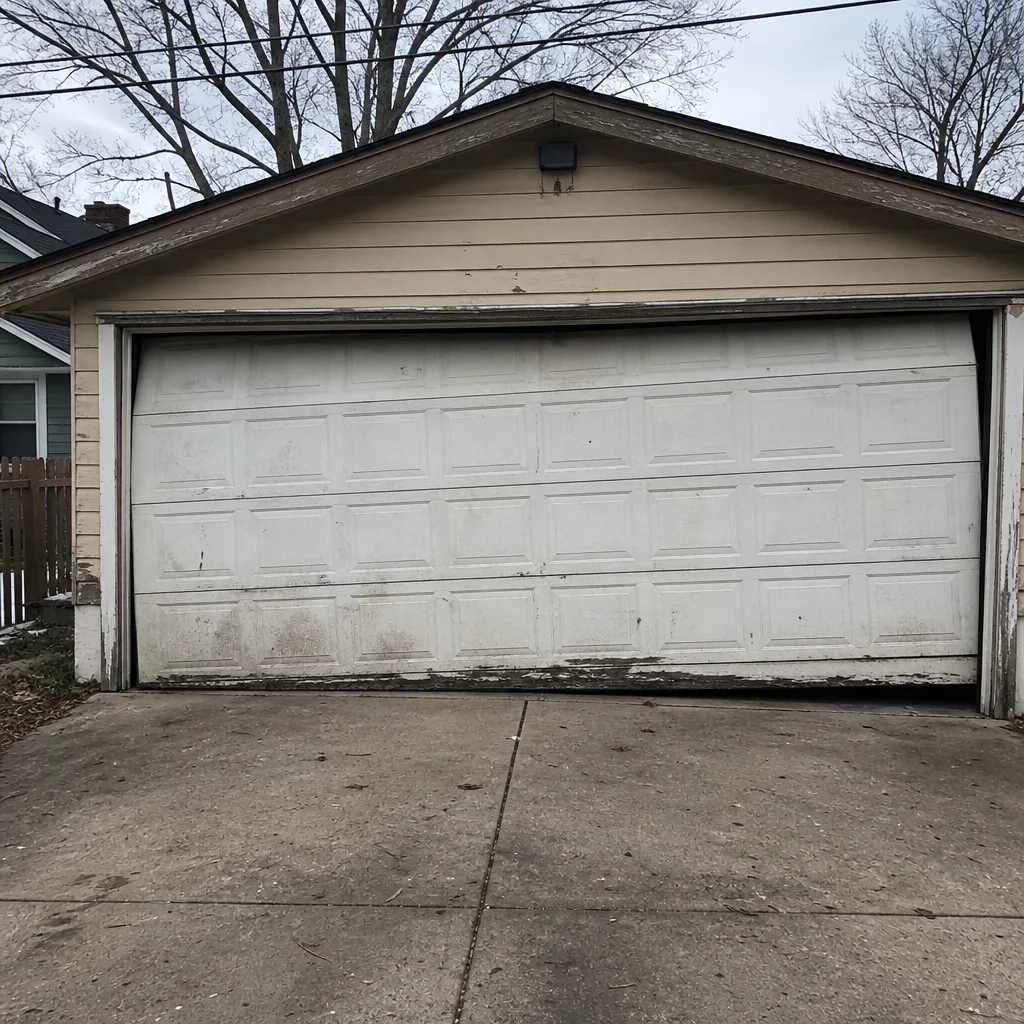 Before
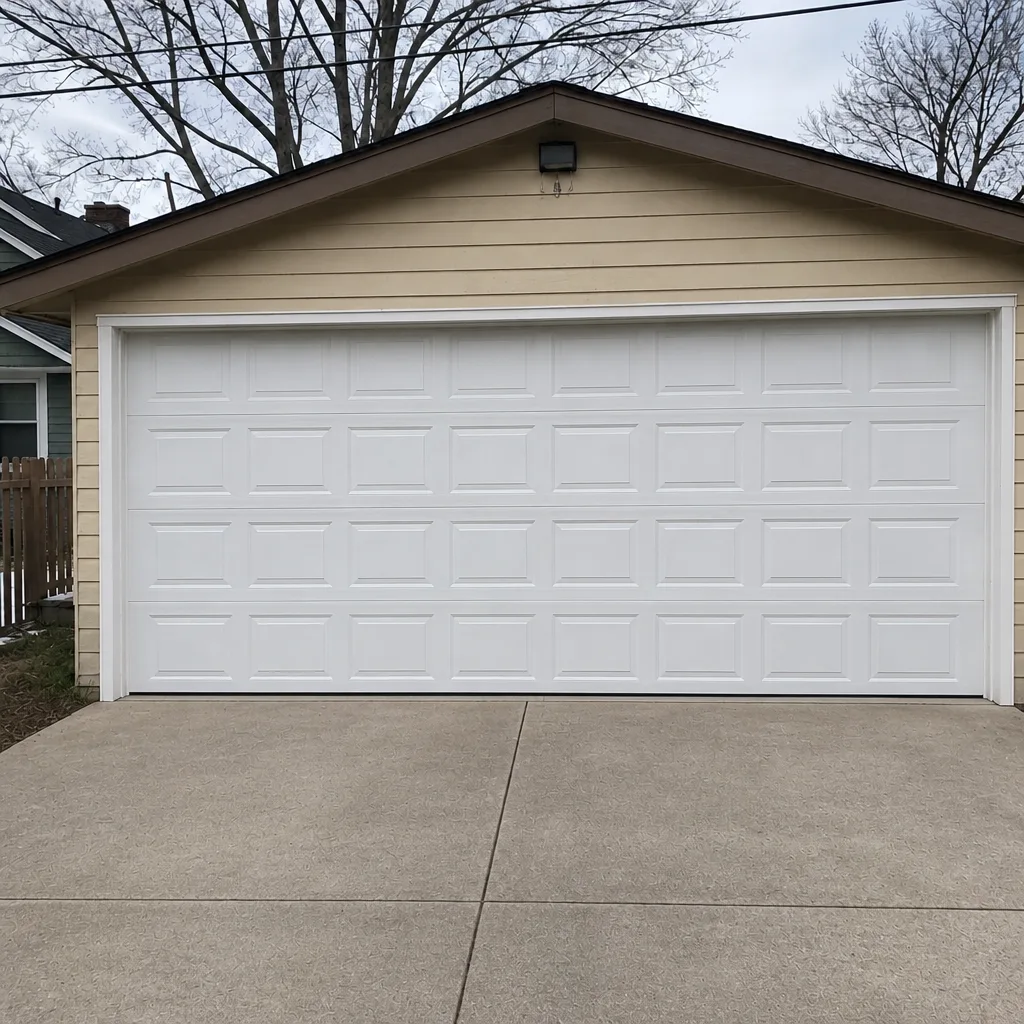 After
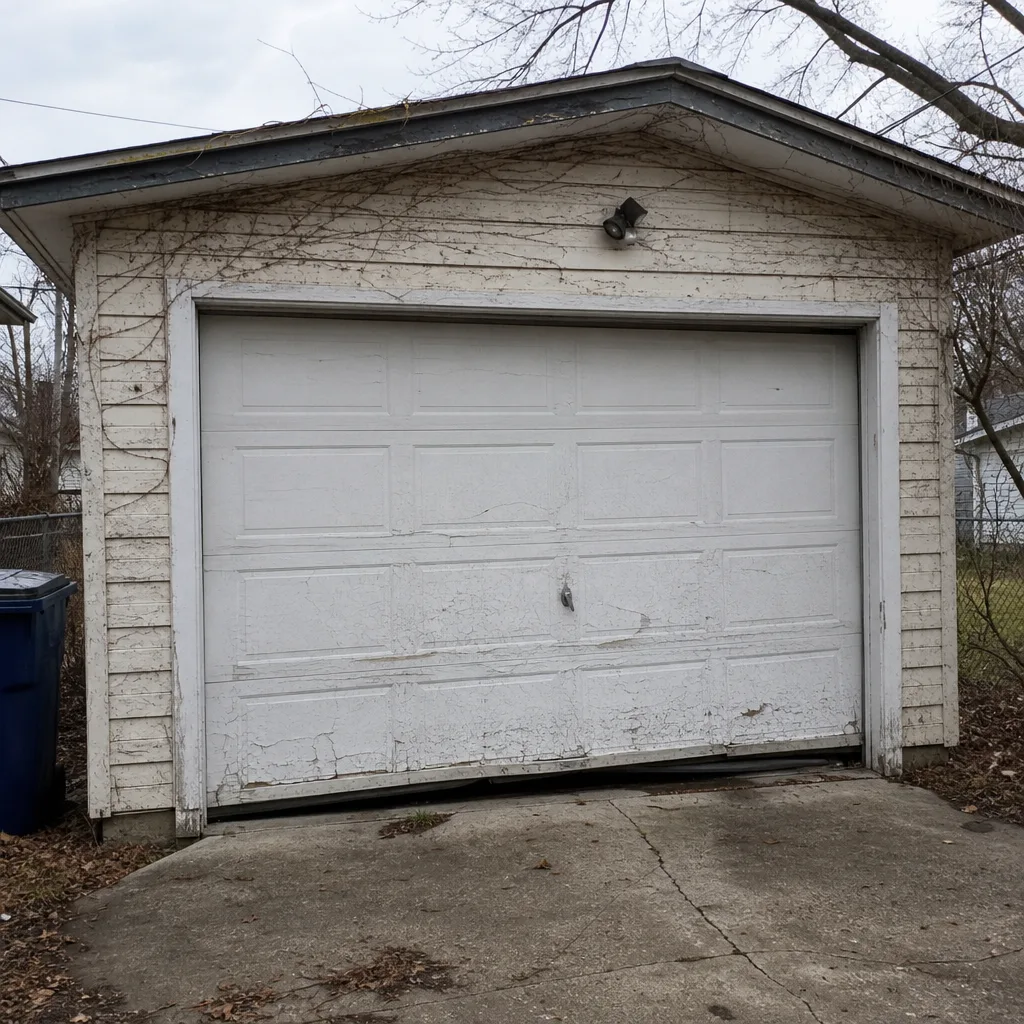 Before
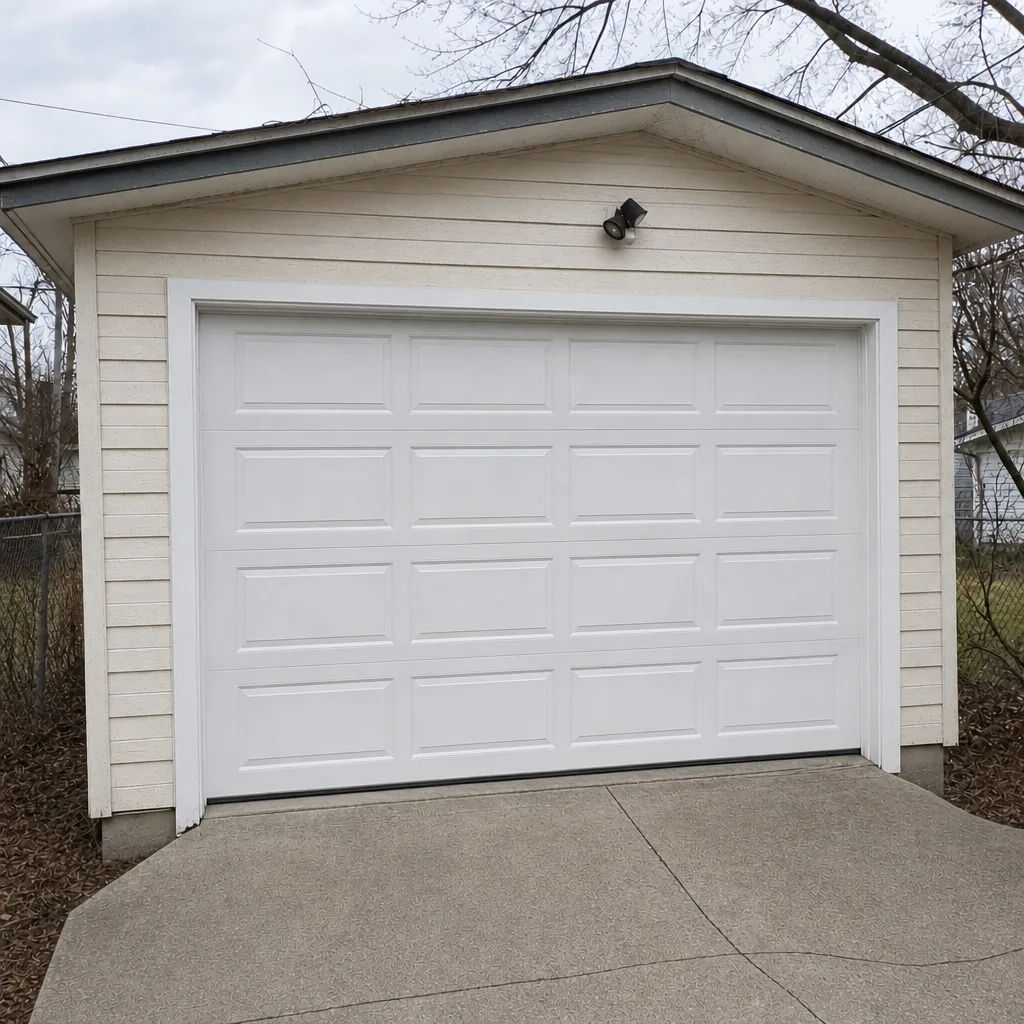 After
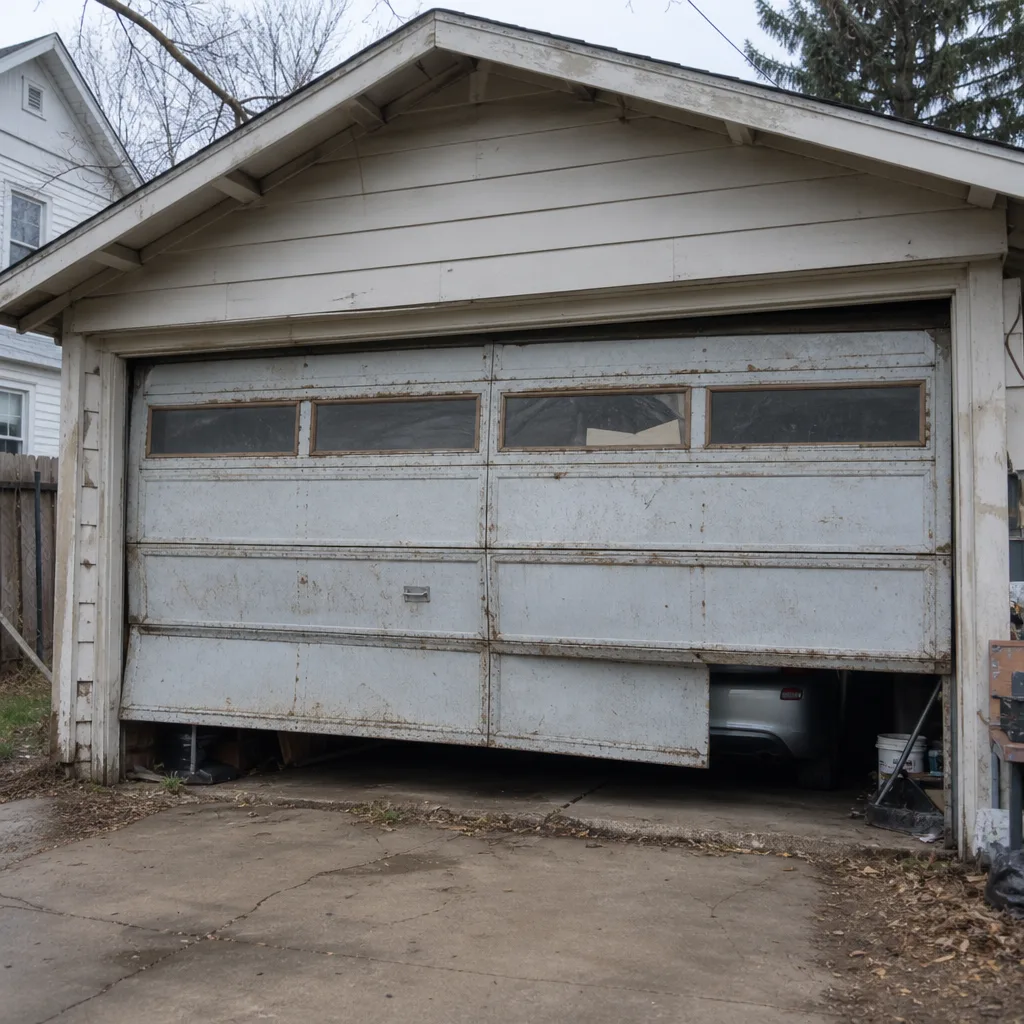 Before
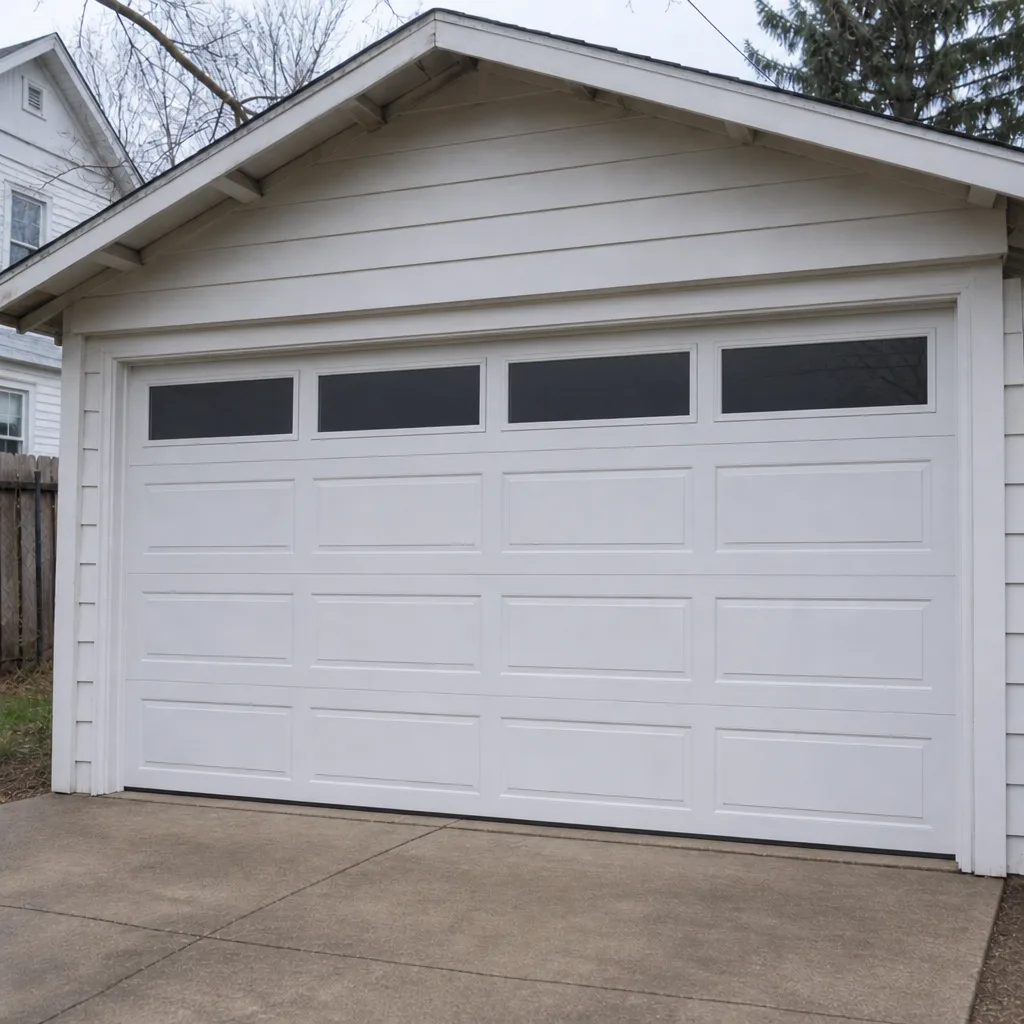 After
When to Call a Professional
Some repairs are safe to observe. Some require a trained technician immediately. Call a professional if any of the following is true:
- A spring has snapped, the door hangs unevenly, or the door won’t lift evenly.
- The opener runs but the door doesn’t move, or the door reverses immediately after starting.
- A cable is loose, frayed, or off its drum.
- The door is stuck in the open position and your garage is currently unsecured.
- You’ve heard a loud bang from the garage and the door stopped working.
- The door has come off its track, even partially.
Garage Door Repair Powderhorn offers free estimates in Powderhorn for standard repairs and installations. Emergency garage door service is available for situations that compromise security or vehicle access. Our technicians are trained on the hardware you already own. Call (877) 352-5109.
Frequently Asked Questions
You’ll know because the contractor can’t or won’t explain why a repair won’t solve the problem. Ask what specifically is broken, ask to see the part, and ask what happens if you repair it instead. A contractor trying to replace a repair-able door will move the conversation to safety, warranties, or “eventually you’ll need a new one” without addressing the diagnosis. A real answer is specific: the panel is warped past the point of tracking properly, or the door is under a load the framing can’t carry. If you can’t get specifics, get a second opinion.
A proper estimate should name the broken part, list the parts and labor separately, give a firm price range, state when the price is final (usually after the initial on-site assessment confirms the diagnosis), and explain what happens if additional problems are found mid-job. It should also confirm the business name matches the licensed entity, and include who to call if something goes wrong. Verbal estimates are not estimates. They’re negotiating positions. Call (877) 352-5109 for a free estimate on your repair.
Same-day service is available for repair and emergency calls. If your door is stuck, the opener has failed, or your garage is unsecured, call (877) 352-5109 and let us know it’s urgent. Standard repairs without urgency can usually be scheduled promptly. If you’re not sure whether it’s an emergency, call and describe what’s happening – that’s the fastest way to know.
Ask the contractor for the license number and insurance details, then check the city of Minneapolis licensed contractor lookup on the official city site. Match the business name on the license to the name on your estimate and invoice. If a permit is required for the specific job – sometimes true for structural work or replacement – the contractor should know that and handle it. If you’re not sure, call the city’s building department directly and ask. Your state’s licensing board can also confirm state-level licenses.
It can, but only for a specific reason that should be explained to you before any additional work begins. The written estimate is the price unless something unexpected is found, in which case a reputable contractor pauses the job and calls you with the updated number first. What should not happen is a surprise invoice. If a technician finds additional issues, ask what the extra work will cost and whether it’s necessary right now or can wait. You are never obligated to approve extra work on the spot.
Our technicians are trained to work on LiftMaster, Chamberlain, Genie, Clopay, Amarr, Wayne Dalton, Craftsman, and Raynor equipment. If you’re not sure which brand your door or opener is, look at the opener housing – the nameplate is usually visible – and look at the door panel edges for branding. When you call (877) 352-5109, the technician will be prepared for your system from the first visit, which cuts down on return trips.
The Bottom Line
Hiring a garage door contractor in Powderhorn comes down to vetting honesty, not just checking boxes. Licensing and insurance are the floor. Specific diagnosis, willingness to repair, written prices, and brand familiarity are what separates a contractor you’ll call again from one you’ll be warning your neighbors about. The five questions and the written estimate are the two tools that do the most work. Get them before anyone touches the door. If you want to know exactly what’s wrong with your door before you start vetting, call (877) 352-5109 for a free estimate and a straightforward answer.
Written by the team at Garage Door Repair Powderhorn.