Last updated November 22, 2026
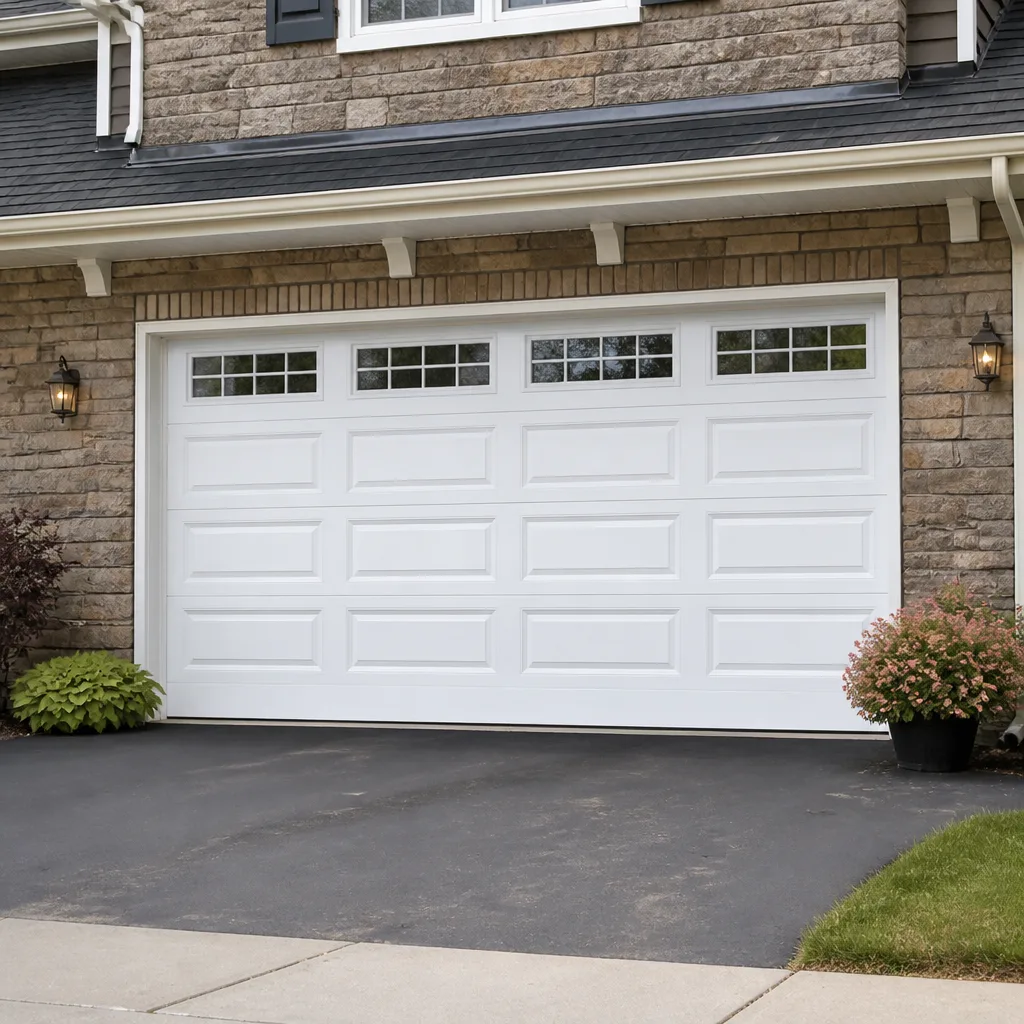 Raised-panel steel
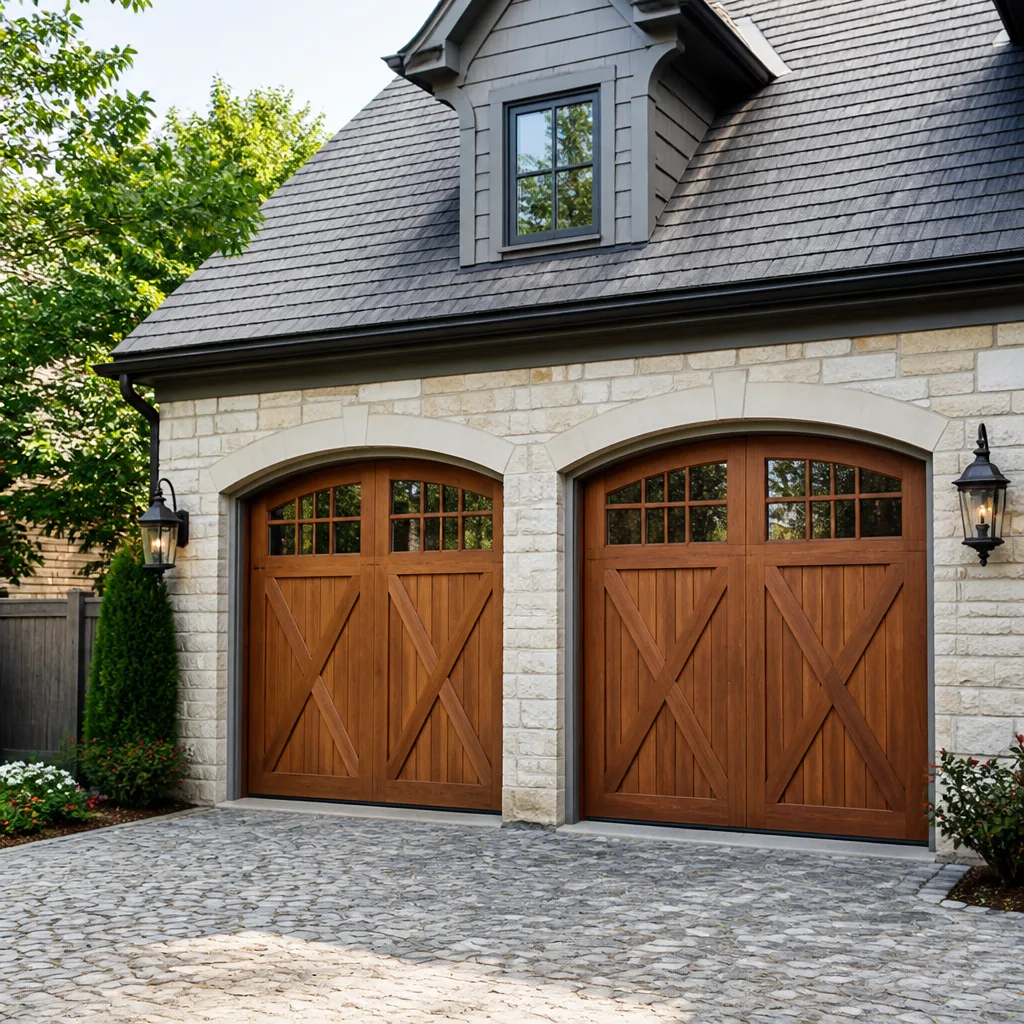 Carriage house
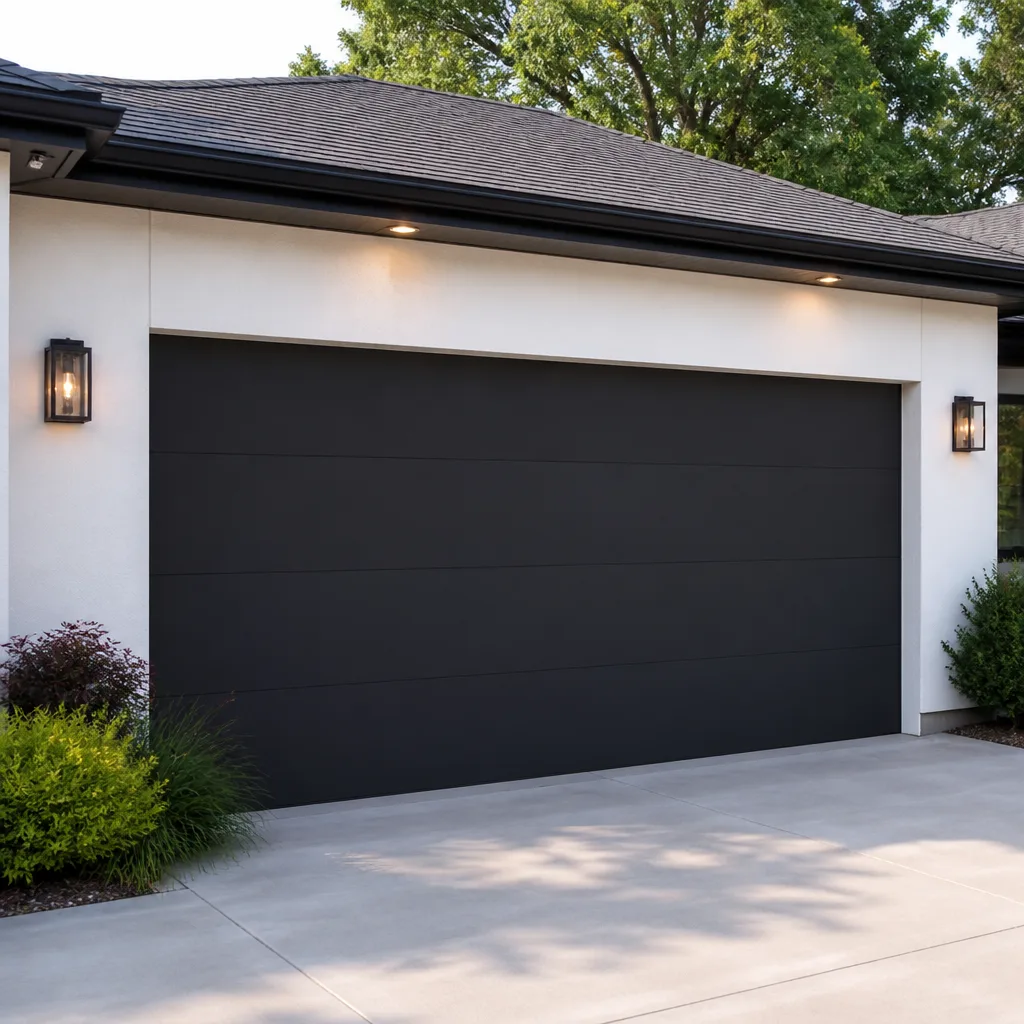 Modern flush
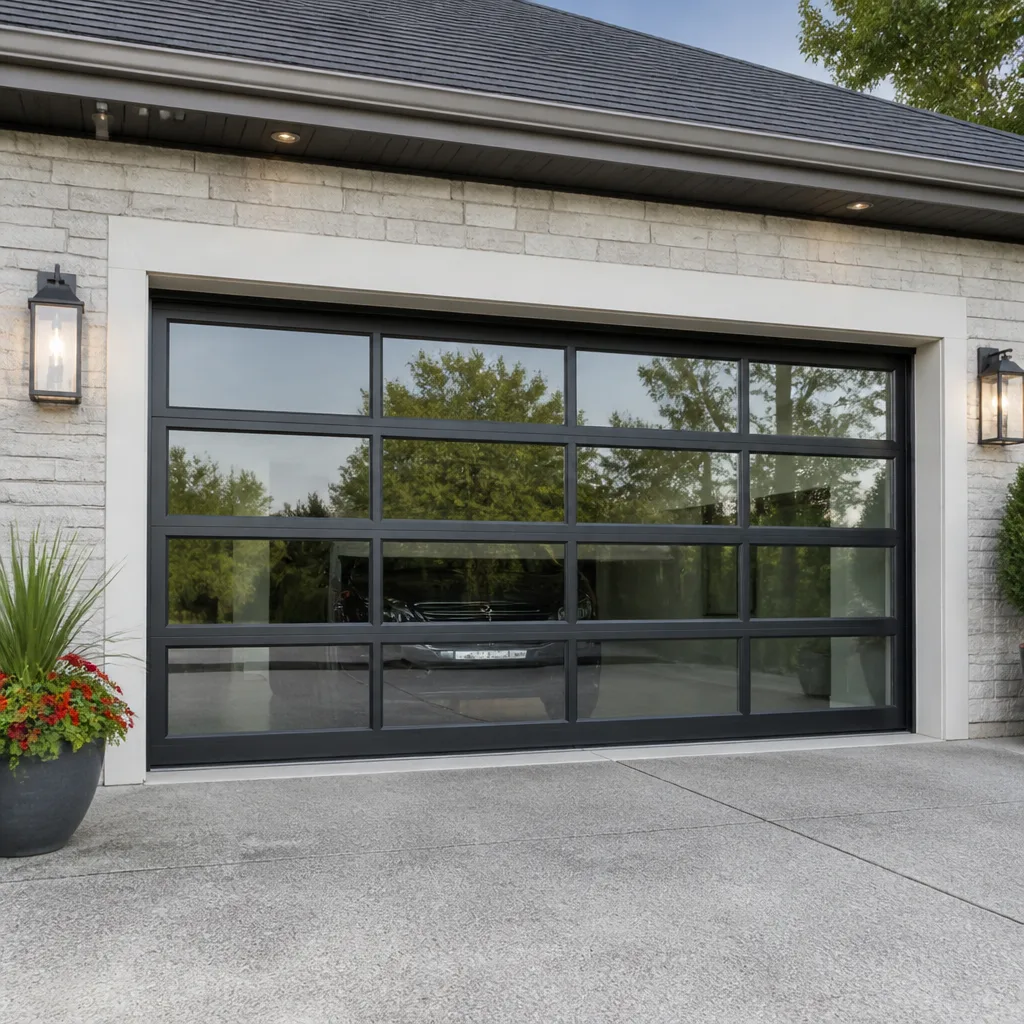 Full-view glass
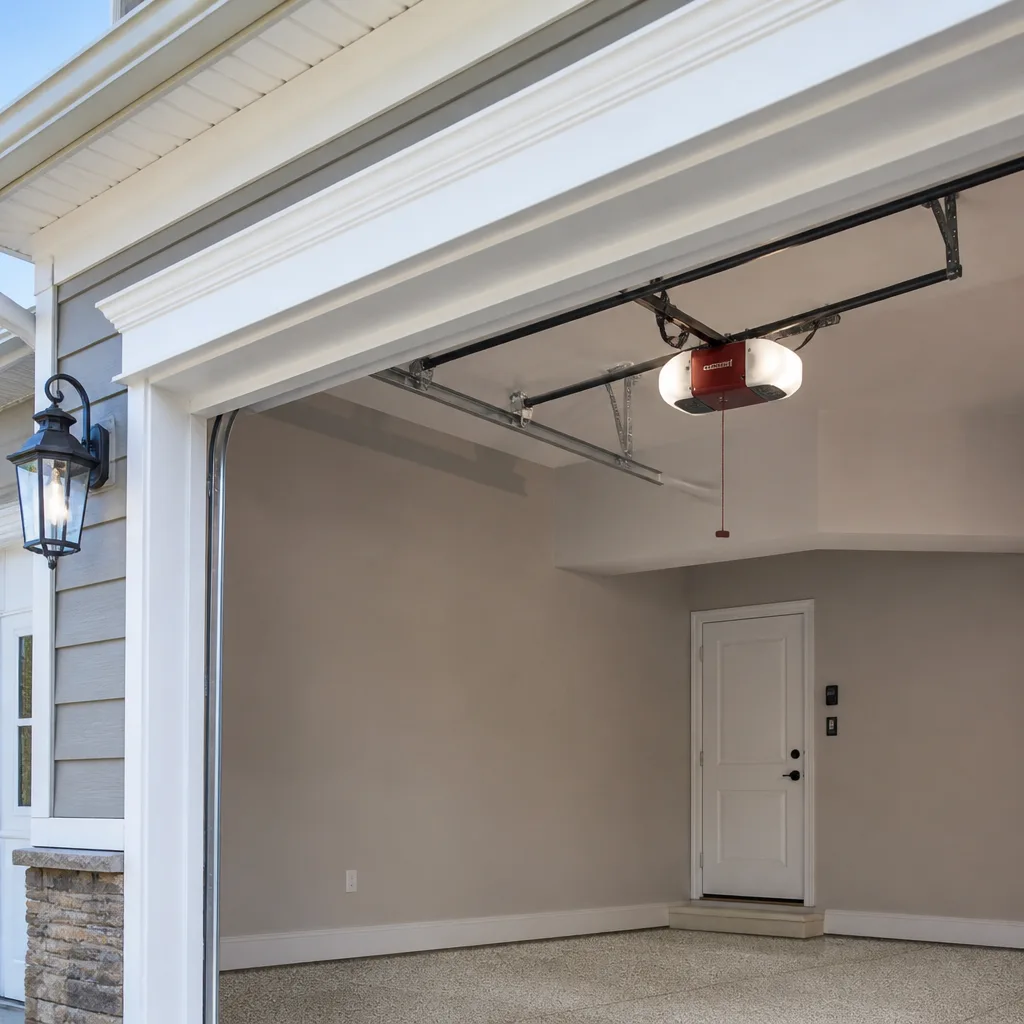 LiftMaster openers
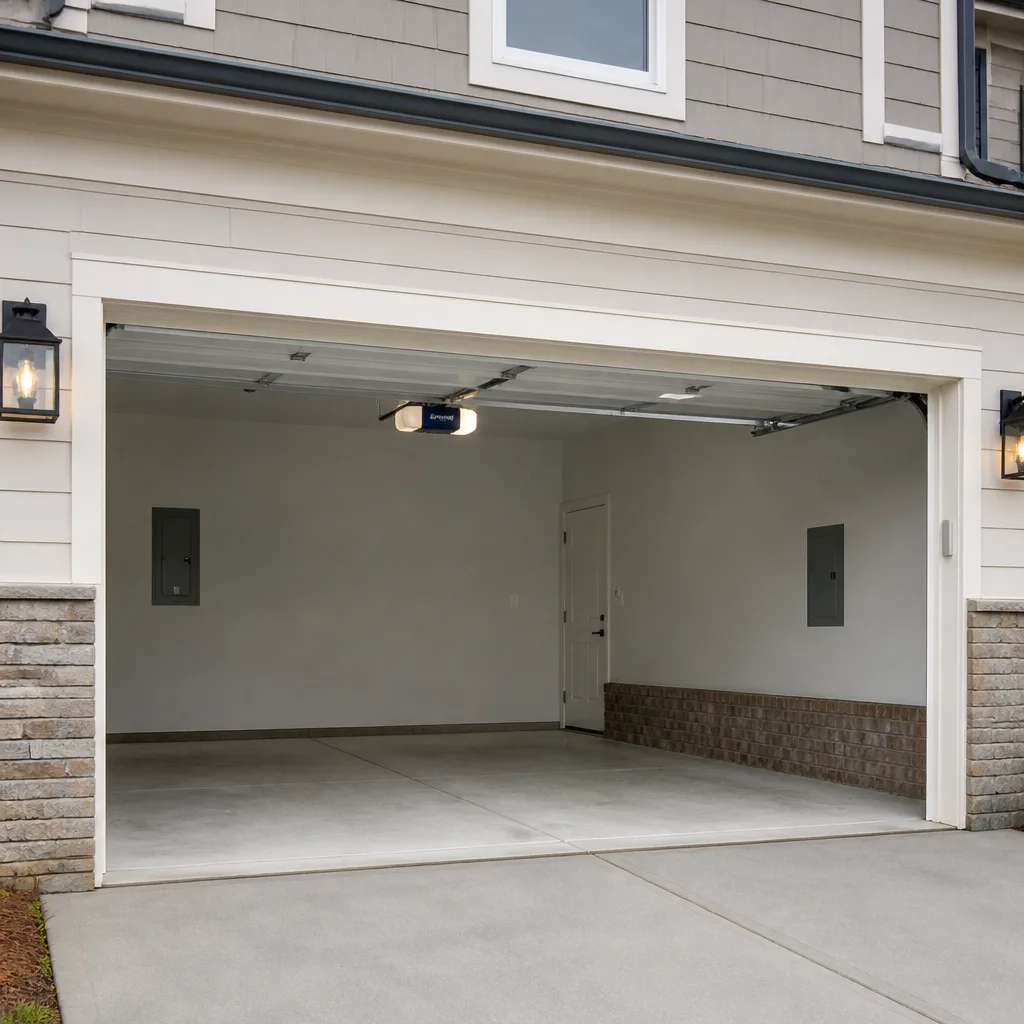 Chamberlain openers
Full 25-point door and opener safety check with every visit - springs, cables, rollers, tracks, and your LiftMaster or Chamberlain opener included
You get a price before we start. It does not change when the pro arrives.
Get your free estimateSeasonal Garage Door Care for Powderhorn: Year-Round Homeowner’s Guide
Most Powderhorn homeowners treat garage door maintenance as one thing: a fall tune-up. That’s the wrong model for our climate, and it’s why so many doors fail at the worst possible moment. October in Powderhorn is the most important month for garage door maintenance, but most homeowners don’t touch their door until it freezes shut in January and they’re late for work. The truth is that a Powderhorn garage door faces four distinct kinds of stress across the year, and each one attacks different parts. This guide breaks the year into four separate maintenance events, shows you what to check in each, and gives you a one-page summary you can post in the garage.
Quick Answer
Garage doors in Powderhorn need four seasonal checkpoints, not one. In fall, you adjust and lubricate before the first hard freeze. In winter, you monitor weekly for freeze-thaw damage to the bottom seal and frame. In spring, you inspect everything the thaw has loosened or cracked. In summer, you watch for heat and humidity warping panels and throwing opener sensors out of alignment. Each season has its own failure window, and missing one usually means a repair call later.
Styles & brands we work with
- Raised-panel steel
- Carriage house
- Modern flush
- Full-view glass
- LiftMaster openers
- Chamberlain openers
Table of Contents
- Why Powderhorn’s Seasons Hit Your Garage Door Differently
- Fall: The Pre-Freeze Window That Actually Matters
- Winter: Weekly Monitoring Through Freeze-Thaw Cycles
- Spring: The Highest-Volume Repair Season in Powderhorn
- Summer: Heat, Humidity, and Slow-Motion Misalignment
- Your One-Page Seasonal Task Summary
- Common Mistakes to Avoid
- When to Call a Professional
Why Powderhorn’s Seasons Hit Your Garage Door Differently
A garage door is a machine made of metal, rubber, wood, and springs that lives in an unconditioned space attached to a conditioned house. That arrangement means the door itself is constantly responding to outdoor weather while the house behind it is not. In Powderhorn, those two environments pull apart hard in every season, and the garage door gets caught between them.
Here’s the seasonal picture, and why each window is distinct rather than a repeat of the last:
- Fall is about preparation under falling temperatures. Rubber seals stiffen, metal contracts, and anything you lubricated in summer has thinned out. This is the only season where you can still comfortably work outside on the door.
- Winter is the freeze-thaw battleground. Daytime melting and overnight refreezing are relentless in Powderhorn, and the bottom seal is the first casualty because it’s the part in direct contact with the slab and with whatever water pools against it.
- Spring is the aftermath. Once the ground thaws and the cycles stop, the damage that built up over winter becomes obvious. It’s also when a lot of doors that had been limping along finally give out, which is why repair volume jumps in Powderhorn in March and April.
- Summer is the slow, sneaky one. Heat and humidity don’t crack or snap anything the way a freeze does, but they warp wooden panels and quietly push your opener’s sensors out of alignment.
Treating these as four events means you catch failures in their early form. Treating them as one fall tune-up means you find them in their expensive form, usually when your car is blocked in.
Fall: The Pre-Freeze Window That Actually Matters
Fall is the season of low-cost, high-payoff work. Everything you do before the first hard freeze in Powderhorn is aimed at keeping components from stiffening or seizing once the cold sets in. Once temperatures drop for good, some of these jobs become difficult or impractical to do at all, so the window matters. If your door is already having trouble with a garage door repair issue that you’ve been putting off, fall is the season to deal with it while the weather still cooperates.
Work through this in order before the hard freeze arrives:
- Lubricate hinges, rollers, and the torsion spring’s coils with a garage-door-rated lubricant, not WD-40 or household oil. In our experience, dry, unlubricated hinges are one of the most common causes of doors that get stiff and noisy the first cold week.
- Inspect the bottom seal and threshold. If the seal is cracked, ragged, or peeling away from the door, replace it now. A worn seal lets in snow, water, and cold air, and once it freezes to the slab, opening the door can tear it further.
- Check the weatherstripping around the frame. Gaps around the sides and top let in the cold and, more importantly, let melting snow get behind the door frame where it can refreeze.
- Test the balance of the door manually and the opener’s safety reverse. Both are quick checks, and both are much harder to diagnose reliably in cold weather.
- Tighten visible hardware. Loose bolts and hinges rattle more when metal contracts, and vibration works them looser over the winter.
- Clear gutters and grading away from the garage slab. Water that pools at the garage threshold in fall becomes an ice sheet in winter that can jam your door.
The single highest-value fall task is replacing a worn bottom seal. It’s inexpensive, it takes a short appointment, and it prevents the door frame damage and drafts that a winter of freezing moisture causes. If your door is a Clopay or Amarr model with a specific seal profile, we source the correct replacement rather than a generic strip, which is part of why we work across brands so a seal isn’t the reason a door goes all winter with a leak.
Winter: Weekly Monitoring Through Freeze-Thaw Cycles
Winter in Powderhorn isn’t one long freeze. It’s a series of thaw-and-refreeze cycles, and that’s what does the damage. Each cycle, water gets into a joint, gap, or seal, then expands as it freezes and wedges the parts apart. The door doesn’t fail dramatically. It degrades a little each cycle until one morning it just won’t close right.
Here’s what to watch on a roughly weekly basis:
- The bottom seal. Look for it hardening, cracking, or pulling away from the door. This is the first part to show freeze-thaw stress because it sits right at the wet slab line.
- The gap under the door. If daylight shows under a closed door, or cold air pours in, the seal or threshold has shifted. That gap will get worse before it gets better.
- Door frame movement. Frost heave can push a garage door frame slightly out of square. Watch for the door scraping one side, or a gap opening at a corner.
- Rollers and tracks. A roller that was fine in fall can seize or bind in cold, freezing metal. If the door groans or jumps as it opens, stop and check.
- The opener’s force and travel. Cold stiffens everything, which puts extra load on an garage door opener repair situation you may not have noticed in summer. If the door reverses unexpectedly or strains to close, that’s a signal.
One winter-specific caution: don’t force a frozen door. If it’s stuck, the reason is usually ice at the seal or threshold, and yanking the opener’s manual release or pushing the door can damage the opener’s gear and carriage. Clear the ice gently and try again, and if the door still won’t move cleanly, stop and call.
Freeze-thaw also stresses the springs. A torsion spring under tension and then hit with cold is closer to its failure point, and a spring snapping in a frozen garage in winter is one of the most common emergency calls we get in Powderhorn. This is the season to trust trained hands on the springs, not a wrench and a video.
Spring: The Highest-Volume Repair Season in Powderhorn
March and April are the busiest repair months of the year for garage doors in Powderhorn, and there’s a clear reason. Everything the freeze-thaw cycles loosened, cracked, and stressed over winter comes home to roost once the ground thaws. The damage was accumulating quietly for months; the thaw is when it becomes visible and, often, when the door stops working.
After the thaw, inspect these components in this order:
- Bottom seal and threshold. Did winter chew up the seal? Is the threshold warped or heaving out of the slab?
- Tracks. Are they still straight and plumb? A track knocked out of alignment by frost movement will make the door bind.
- Springs. Look and listen. A spring with a visible gap or one that’s stopped making its usual tension sound when the door opens needs professional attention immediately. Spring repair done safely, done right is not a DIY job; it’s a high-tension component that carries serious injury risk when handled incorrectly.
- Frame and hinges. Check for gaps, binding, and loose hardware from winter movement.
- Opener and safety reverse. Re-test the reverse function now that the weather has shifted. Sensors and limits that held all winter can need adjustment after the temperature swings.
Spring is also the natural time to think about a replacement if the door has been patched one too many times. If you’re weighing a full garage door installation, doing it in spring means you go into next winter with new seals, new hardware, and a door that isn’t carrying a winter’s worth of damage. A Genie or Chamberlain opener that’s been struggling through cold weather is also worth evaluating alongside the door.
If you’ve been opening and closing the door through winter hoping it would “just get through,” spring is when it stops being lucky and starts being a repair. That’s not a scare tactic. It’s the pattern we see every March in Powderhorn.
Summer: Heat, Humidity, and Slow-Motion Misalignment
Summer doesn’t break garage doors the way winter does, but it changes them. Warm, humid air and strong sunlight work on different materials than cold does, and the failures are slower and easier to miss.
Two things to watch in Powderhorn through the summer months:
- Wooden door panels. Solid-wood and wood-framed garage doors absorb moisture and swell in humid weather, then shrink when it dries. Over a summer, panels can warp, joints open, and the door can start to bow. If you notice panels that no longer sit flush or a door that seems to have “grown,” humidity is usually the cause. Wooden doors also need a summer check for finish, since sun and humidity break down coatings faster than either alone.
- Opener sensor alignment. The sun and heat expand metal tracks and hardware, and the vibration from running the door all summer gradually nudges the safety sensors out of alignment. A door that won’t close and blinks its opener lights is very often a sensor alignment issue, not a broken opener. It’s one of the most common summer quirks and often one of the easiest to fix.
Summer is also a good time to lubricate moving parts again. The lubricant you applied in fall has dried and thinned out by now, so a mid-summer reapplication keeps hinges and rollers from stiffening. If your opener is a Chamberlain or LiftMaster unit, the summer heat and steady use is when limit and force settings most often need a tune. We work with those brands and others routinely, so the diagnosis is a matter of knowing what the unit is telling you rather than guessing.
Summer heat also affects the door’s balance. As hardware expands, a door that was fine in April can start to drift. If it opens a few inches when you pull the manual release, it’s out of balance and needs adjusting before fall.
Your One-Page Seasonal Task Summary
Print this and keep it where you’ll see it. It’s the quick-reference version of the whole guide, organized by season so you can work through it in a few minutes each time the season turns.
FALL (before the hard freeze)
- Lubricate hinges, rollers, spring coils
- Replace any cracked or worn bottom seal
- Check weatherstripping around the frame
- Test manual balance and opener safety reverse
- Tighten visible hardware
- Clear gutters and grading away from the slab
WINTER (weekly)
- Inspect bottom seal for hardening or cracks
- Check for daylight or cold air under the closed door
- Watch for frame gaps, frost heave, or scraping on one side
- Listen for groaning rollers or jumping tracks
- Watch opener force and travel; never force a frozen door
SPRING (after the thaw)
- Inspect seal and threshold for winter damage
- Check tracks for straightness and plumb
- Look and listen for spring damage; call a professional
- Check frame gaps, hinges, and loose hardware
- Re-test opener reverse and sensor alignment
- Consider full garage door repair for anything patched repeatedly
SUMMER
- Inspect wooden panels for warping and open joints
- Re-lubricate moving parts
- Test opener sensor alignment
- Check door balance after heat expansion
Common Mistakes to Avoid
- Only servicing the door in the fall. One tune-up a year treats Powderhorn’s climate as if it were one season. The freeze-thaw cycles of winter do the most cumulative damage, and only a spring inspection catches it.
- Ignoring a small seal crack through winter. A small crack in the bottom seal in December becomes a torn seal, a wet threshold, and often a door that jams on ice by February. The seal is cheap to replace early and disruptive to leave.
- Lubricating with the wrong product in cold weather. Household oil and general-purpose spray lube thin out and attract grit. Use a garage-door-rated lubricant and reapply through the year.
- Forcing a stuck or frozen door. This is the fastest way to damage an opener’s gears and carriage. If the door won’t move cleanly, stop and address the ice or the fault.
- Adjusting springs yourself. High-tension springs are the most dangerous component on the whole door. A spring that snaps back under your wrench can cause serious injury. This is not a homeowner job, no matter how simple a video makes it look.
- Assuming a summer “won’t close” issue is a broken opener. In Powderhorn’s summer heat, misaligned safety sensors are the usual culprit. Before you price a new opener, have the alignment checked.
- Waiting until a door fails to plan a replacement. A door that spends every winter patching itself is a sign to plan a garage door installation in spring, when the weather lets you do it on your terms instead of in a January emergency.
When to Call a Professional
Some jobs are homeowner-friendly: lubricating, checking seals, testing the reverse function, and clearing ice. Others aren’t. Call a trained technician when you’re dealing with springs or cables, when the door is visibly out of balance, when a track is bent or the frame has moved, when the opener reverses unexpectedly or won’t respond to sensor adjustment, or when a door has been limping along through a winter of freeze-thaw cycles and won’t close properly. For any of those, Garage Door Repair Powderhorn offers free estimates in Powderhorn. Call (877) 352-5109 and we’ll look at the door, explain what’s going on, and quote the work before anything starts. Spring repair, opener repair, and full replacement all come through the same call.
See the difference
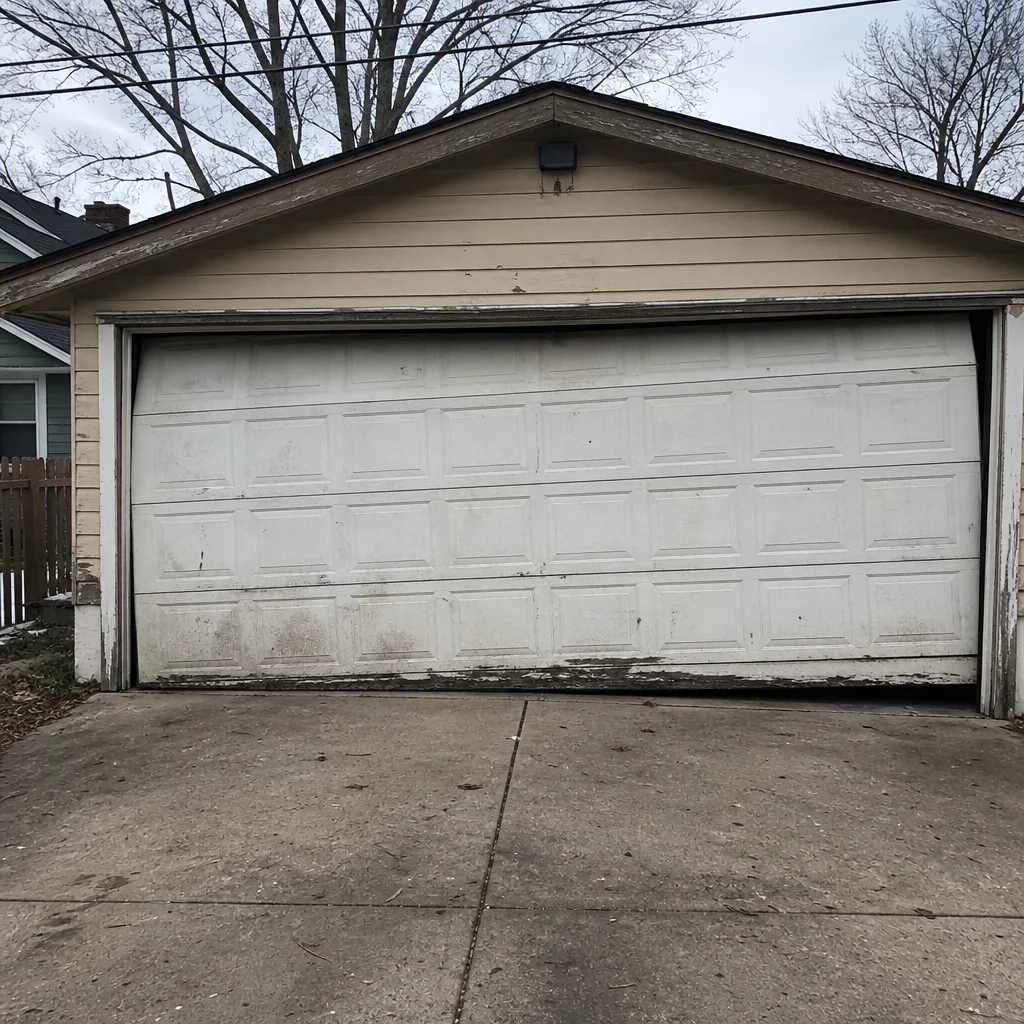 Before
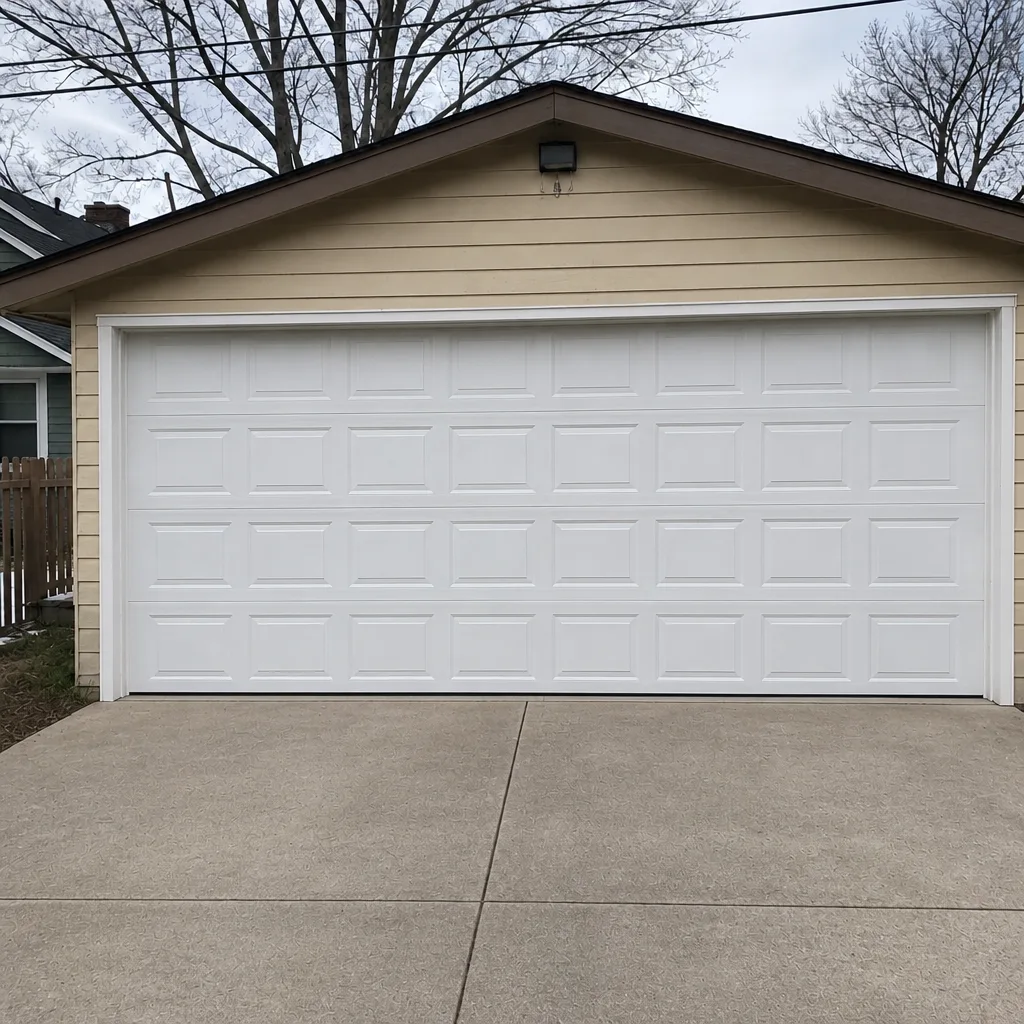 After
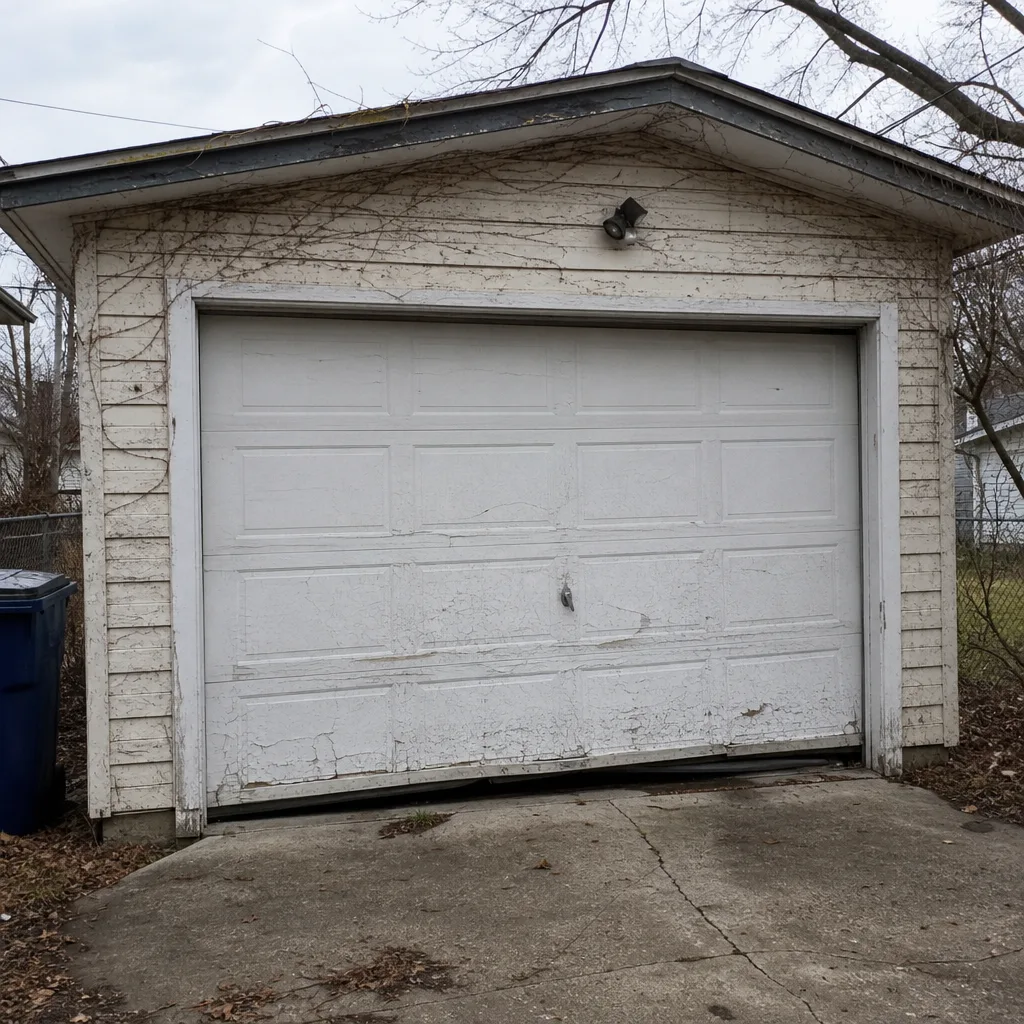 Before
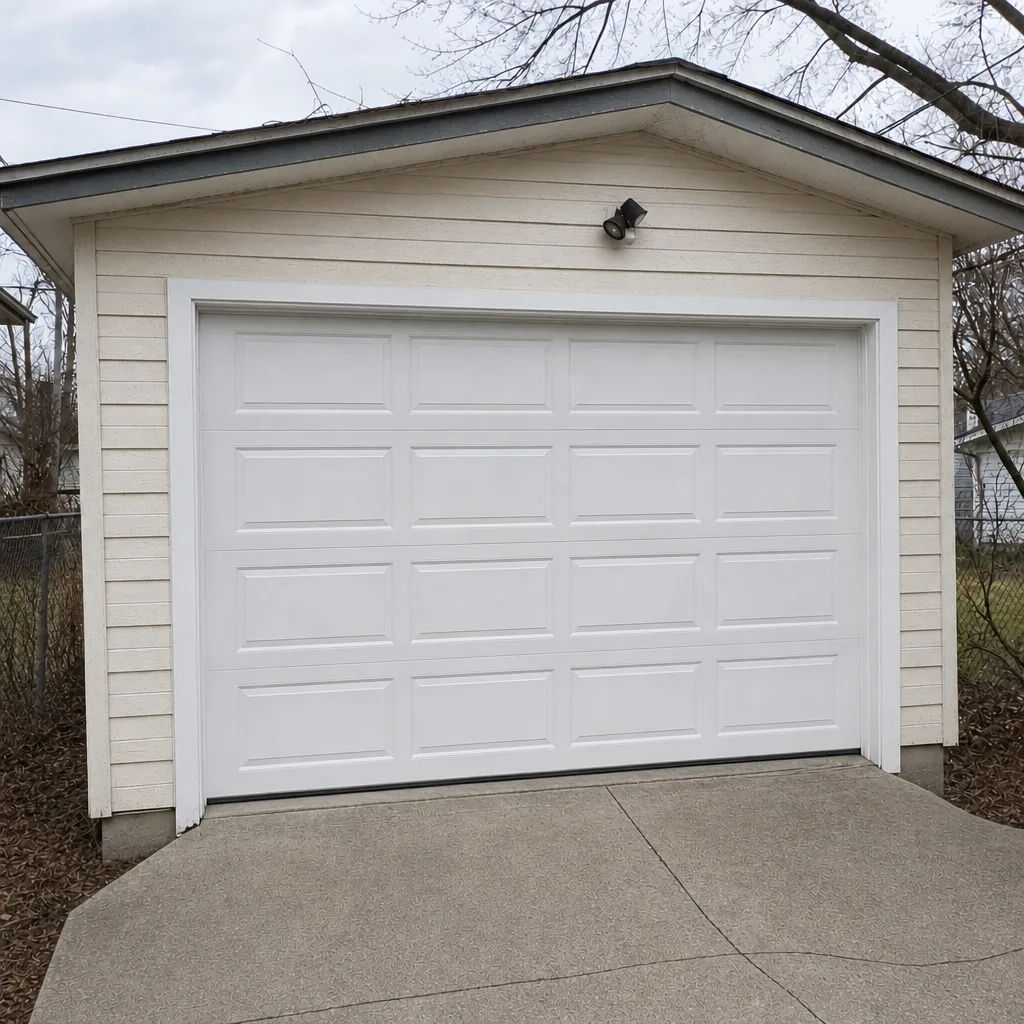 After
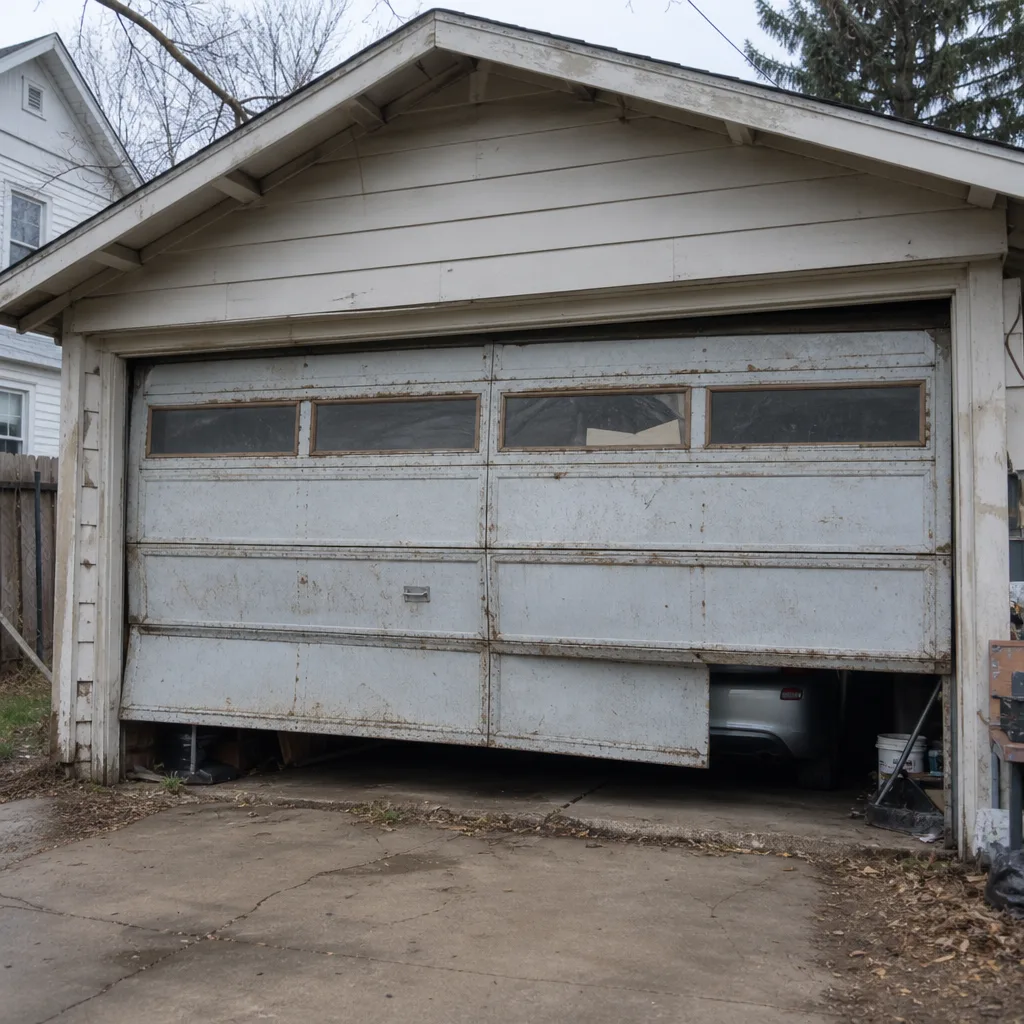 Before
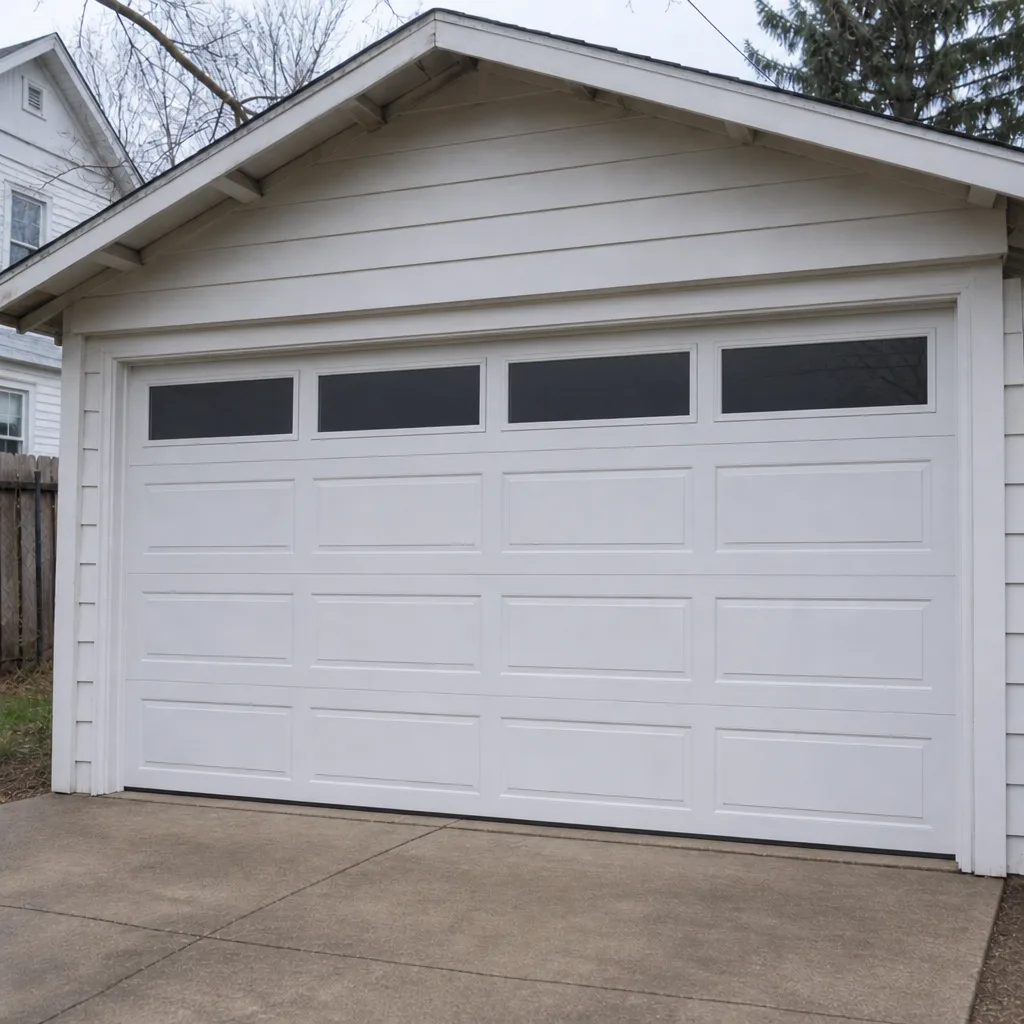 After
Frequently Asked Questions
Fall is the most important single checkpoint, because it’s the last chance to prepare before the hard freeze sets in. But fall alone isn’t enough. Winter is when freeze-thaw cycles do the most cumulative damage, so a spring inspection after the thaw is the second critical checkpoint. If you only do one, do fall; if you do two, add spring.
Because we quote per job after looking at the door, we give you a written estimate rather than a flat rate, and the final price is the one on that estimate. A simple lubrication, seal replacement, and adjustment is one kind of job; a spring repair is another. Call (877) 352-5109 for a free estimate and an exact quote for your door.
Winter stiffness is usually ice at the bottom seal or threshold, plus cold metal binding in the tracks and hinges. Freeze-thaw cycles leave water in the wrong places, and it refreezes at night. Clear the ice gently, never force the door, and if it still binds when clear, the issue is mechanical and needs diagnosis.
Yes, we offer emergency garage door service for situations that affect security or vehicle access, including a door stuck open, stuck closed, or a spring that’s failed. Call (877) 352-5109 and tell us what’s happening; we can get an urgent repair booked and out to you.
Yes. We’re trained and equipped to service products from LiftMaster, Chamberlain, Genie, Clopay, Amarr, Wayne Dalton, Craftsman, and Raynor. Knowing the hardware you already own means faster diagnosis and the right parts the first time. The local professionals we connect you with are licensed and insured as their state requires.
The written estimate sets the price. We quote the job based on what we find, you agree to it before any work starts, and the number on the estimate is the number you pay. If a spring turns out to be a matched pair rather than a single spring, we’ll tell you that up front and quote both. Call (877) 352-5109 for a free estimate.
The Bottom Line
A Powderhorn garage door faces four distinct seasons of stress, and each one attacks a different part. Fall is your pre-freeze preparation window. Winter is a weekly watch for freeze-thaw damage. Spring is the repair season, when the winter’s damage surfaces. Summer is the slow misalignment and humidity season. Treat each as its own maintenance event, keep the seasonal summary somewhere you’ll see it, and don’t touch the springs yourself. Do those things and you’ll catch most failures early, before they cost you a morning blocked in. When something does go wrong, one call covers the whole job, and we’ll quote it before we start.
Ready to get your door ready for the season? Call (877) 352-5109 for a free estimate in Powderhorn.
Written by the team at Garage Door Repair Powderhorn.