Last updated November 22, 2026
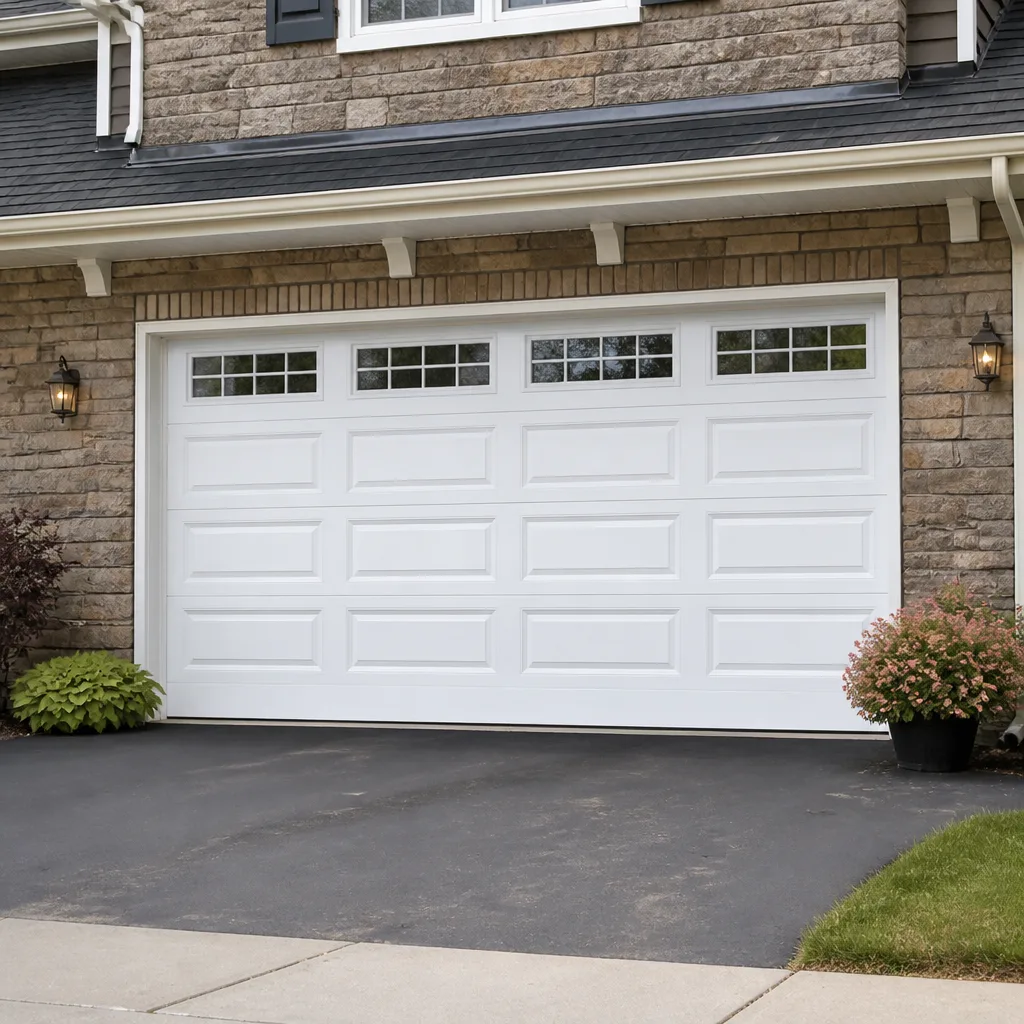 Raised-panel steel
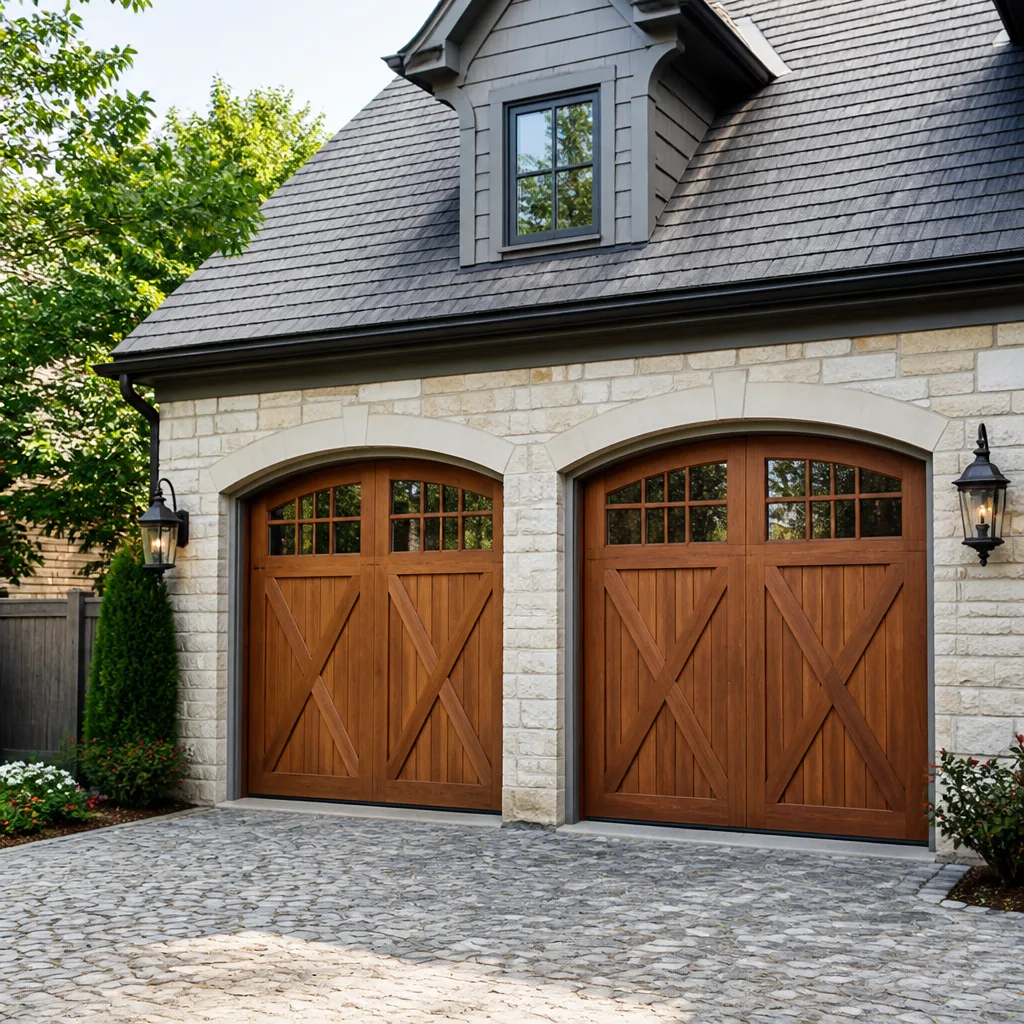 Carriage house
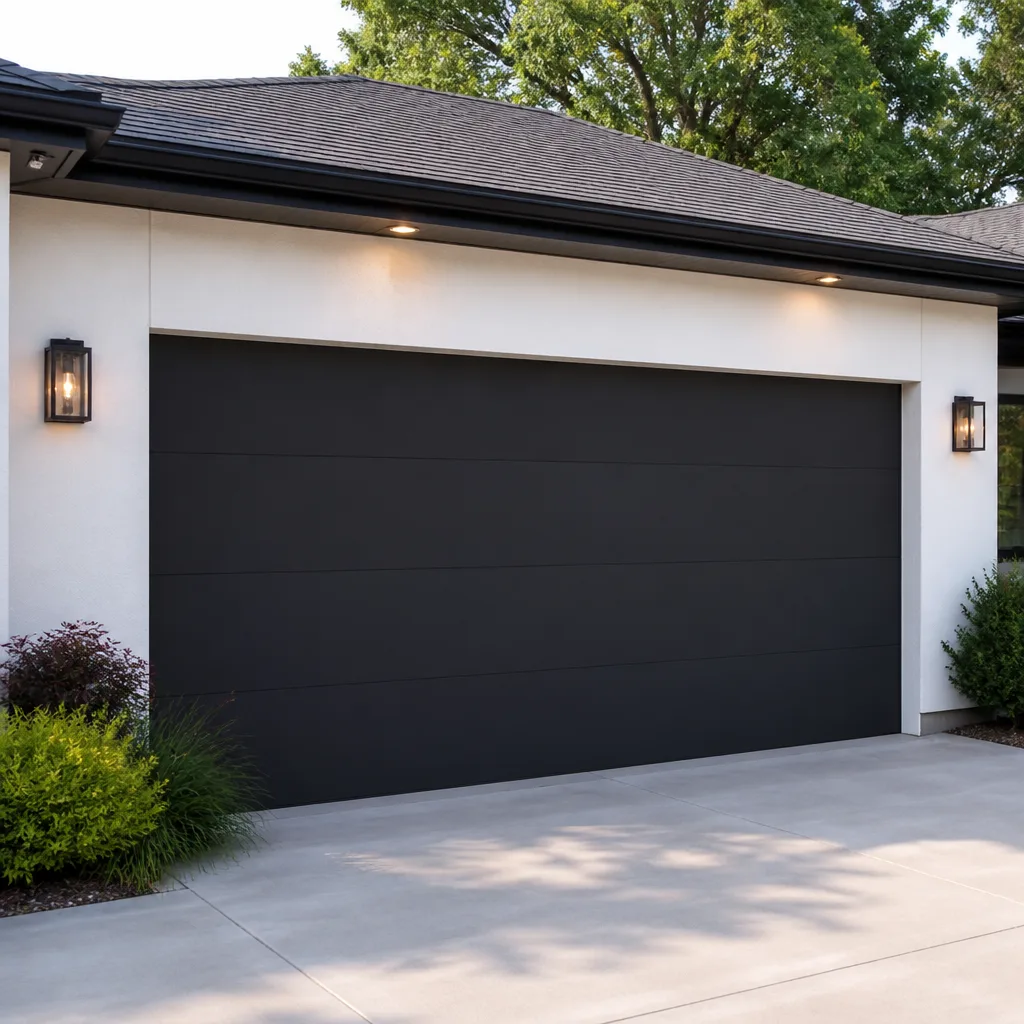 Modern flush
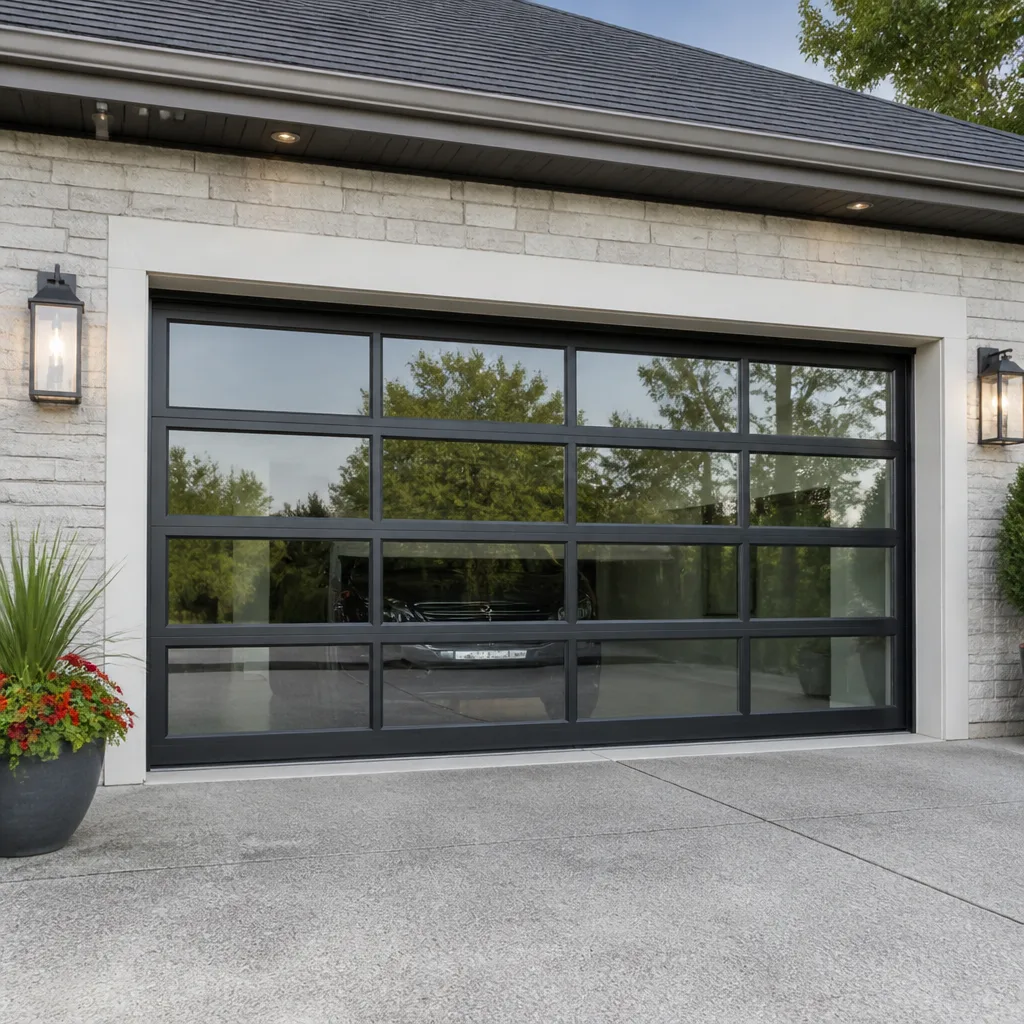 Full-view glass
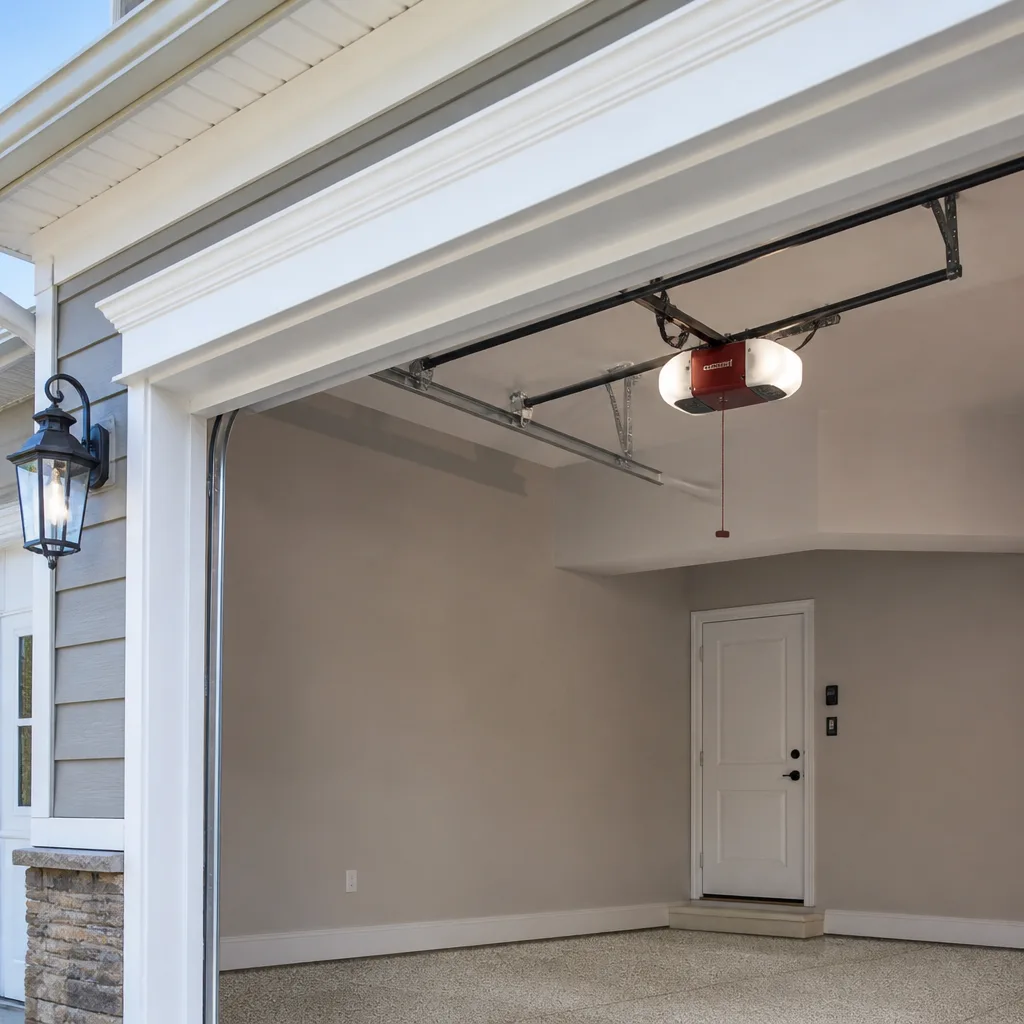 LiftMaster openers
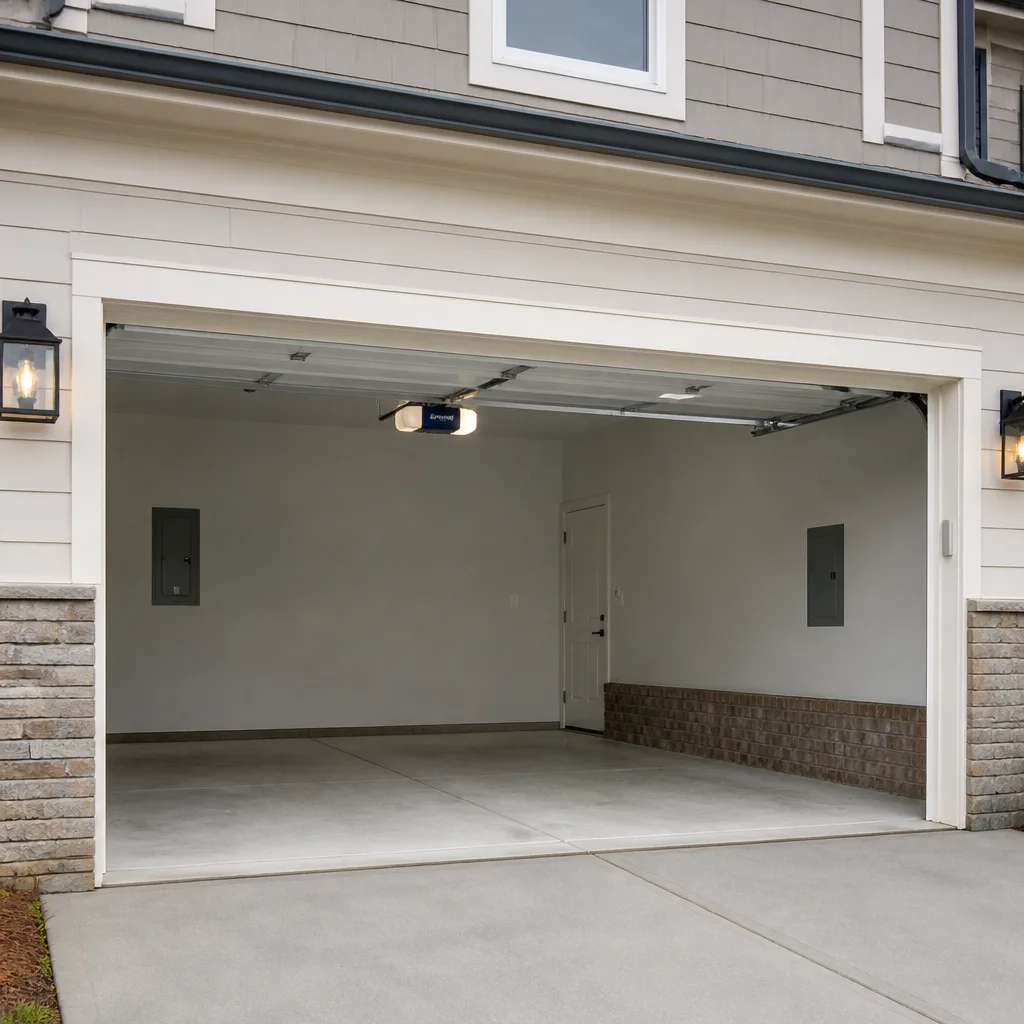 Chamberlain openers
Full 25-point door and opener safety check with every visit - springs, cables, rollers, tracks, and your LiftMaster or Chamberlain opener included
You get a price before we start. It does not change when the pro arrives.
Get your free estimateGarage Door Warning Signs: A Powderhorn Homeowner’s Reference Guide
A garage door that’s slightly slower than it used to be isn’t aging gracefully. It’s often a spring under excessive tension telling you it has weeks, not months, before it snaps. Most of the failures we get called out to in Powderhorn don’t come out of nowhere. They announce themselves first, in a grind, a shudder, a cable that’s started to fray at the drum. The trouble is most homeowners don’t know what they’re looking at until the door won’t move. This guide teaches you to read the specific sounds, movements, and visual cues that come before the three most common failures in a Powderhorn home.
Quick Answer
The most reliable garage door warning signs are changes in sound (grinding, popping, squealing, or sudden silence), changes in movement (uneven lifting, jerking, reversing mid-open, or a slow, labored descent), and visual cues (frayed cables, a spring with visible gaps, or a track that’s pulled out of line). Some signs give you a week or two to schedule service; others, especially anything involving a snapped spring or a hanging cable, mean stop using the door today and call a professional. When in doubt, keep the door closed and get it looked at.
Styles & brands we work with
- Raised-panel steel
- Carriage house
- Modern flush
- Full-view glass
- LiftMaster openers
- Chamberlain openers
Table of Contents
- Sound-Based Diagnosis: What Your Door Is Telling You
- Movement-Based Diagnosis: Reading How the Door Travels
- The Visual Inspection Guide: Cables, Springs, and Tracks
- A Week to Schedule vs. Stop Using the Door Today
- Warning Signs That Matter More in Households With Kids
- Why Powderhorn Seasons Change What You Should Watch For
- Common Mistakes to Avoid
- When to Call a Professional
Sound-Based Diagnosis: What Your Door Is Telling You
Your ears are the fastest diagnostic tool you own. A garage door that’s working correctly makes a low, steady hum from the opener and not much else. Any new sound is data. Here’s how to translate the four most common ones before you touch anything.
- Grinding. Usually a dry or worn roller, a bent track section the roller is scraping against, or a torsion spring that’s lost its lubrication. Grinding that gets louder as the door rises points toward the track or rollers rather than the opener. It’s a monitor-and-schedule sign, not an emergency.
- Popping. A single sharp pop at the start of travel is often a spring that’s slipping or a cable that’s jumped a drum groove. If the pop repeats every cycle in the same spot, stop cycling the door and get it looked at. A cable that’s jumped under tension is a genuine injury risk.
- Squealing. Almost always metal-on-metal friction: dry hinges, a failing bearing plate, or rollers that have flat-spotted and are dragging instead of rolling. Lubricating the hinges and rollers (never the tracks) quiets minor squealing. Persistent squealing after that points to a component that needs replacing.
- Sudden silence, or the opener running with no movement. If you hear the motor but the door doesn’t move, the opener’s drive gear or the door’s spring system has failed. A stripped nylon gear is common on older LiftMaster and Chamberlain units; a snapped torsion spring is common on any door. Silence with no motor sound means check the power, the wall switch, and the safety sensors before assuming the worst.
We work on LiftMaster and Chamberlain openers often enough that our technicians can place a failing drive gear by sound alone. That matters, because a gear that’s grinding its way to failure usually gives you a few days before it strips entirely. If you catch it in that window, you’re scheduling a garage door opener repair instead of calling from a car that’s stuck inside the garage.
In Powderhorn, the seasonal swing from humid summer air to cold, dry winters works hinges and rollers harder than most homeowners realize. Metal contracts, lubrication thins, and the squeal that was mild in June becomes a grind by January. Lubricating your hinges, rollers, and spring once a season is the cheapest sound prevention there is.
Movement-Based Diagnosis: Reading How the Door Travels
Stand inside your garage and watch the door go all the way up and all the way down. You’re looking for four specific patterns, and each one points at a different component. Do this before you ever call anyone, because the pattern tells the technician where to start.
- Uneven lifting. One side rises faster than the other. That’s usually a stretched or frayed lift cable on one side, a worn roller, or a torsion spring that’s no longer balanced. If the door looks visibly cocked at the top, stop and keep it down.
- Jerking. A door that moves in fits and starts, with pauses mid-travel, is usually fighting a bind: a misaligned track, a bent panel, or a roller that’s jumped the track. The opener is forcing the door through the bind, which wears the motor and the door. This one gets worse fast.
- Reversing mid-open. If the door goes up partway and comes back down, the opener’s safety system is intervening. The usual culprits are misaligned safety sensors at the base of the tracks, an obstruction the sensors are catching, or limits on the opener that need adjusting. Sometimes it’s a sign the door is binding and the opener is protecting itself. Reversing mid-open is almost always diagnosable in one visit.
- Slow, labored descent. If the door drops in a way that feels heavy or pauses on the way down, the spring is likely losing tension. A properly balanced door should be light enough to lift by hand with one hand. If yours isn’t, the spring is telling you it’s tired.
That last one deserves emphasis. A door that used to close quickly and now feels like it’s thinking about it is a spring under excessive tension. You have weeks, not months. Replacing a torsion spring, or a pair if both are worn evenly, is a garage door repair job that goes quickly once a technician has the right spring on hand, which is exactly why brand familiarity and spring sizing knowledge matter when you’re booking.
The Visual Inspection Guide: Cables, Springs, and Tracks
You can do a lot of diagnosis with your eyes, provided you keep your hands off the high-tension parts. The rule is simple: look, don’t touch. Springs and cables under tension can release with enough force to cause serious injury, which is why we keep the visual inspection to things you can see from a step back.
- Cable fraying. Look at the cables running from the bottom corners of the door up to the drums above the tracks. A sound cable is smooth and even. A failing one shows stray wires poking out, a spot that looks kinked or pinched, or a cable that’s wound unevenly over the drum. Any of those means stop using the door and call a professional. A frayed cable under tension can snap.
- Spring fatigue. For torsion springs (the coiled bars across the top of the door), look for a visible gap between the coils. A healthy spring sits tight; a tired one opens up. For extension springs (the springs that run along the horizontal tracks on each side), look for a spring that’s stretched longer than its neighbor or that’s lost its safety containment. A gap of any real width is your cue to call. Never try to stretch, adjust, or replace a spring yourself.
- Track misalignment. Look down each vertical track from the floor. The two tracks should be parallel and plumb. A gap where the track meets the wall, a track that’s visibly bowed out, or a roller that’s riding on the outside edge of the track all point to alignment trouble. A door running in a misaligned track grinds its way toward a bigger problem.
- Panel and hardware damage. Dents and bends near the bottom panel often mean the door is hitting something at the floor. Loose hinges, missing bolts, and a bottom bracket that’s pulled away from the door are all worth flagging.
We see more cable fraying and spring fatigue in Powderhorn than any other single issue, and the pattern is consistent: a door that gets daily use in cold weather wears both parts faster than a door that’s used a few times a week. If your visual inspection turns up a gap in the spring or a kink in a cable, that’s your signal to book a garage door repair before it turns into an emergency call.
What a spring actually does
The torsion spring or springs above your door do almost all the lifting. The opener only guides the door. That’s why a tired spring makes the opener work harder, and why a snapped spring stops the door cold. It’s also why spring work is the part of this trade with the highest injury risk. Our technicians have up to 15 years of experience and are trained specifically on high-tension spring repair, which is the safest way to get a door back to normal. If you’re dealing with a snapped spring, our page on Garage Door Repair Powderhorn walks through when to call and what to expect.
A Week to Schedule vs. Stop Using the Door Today
Not every warning sign is urgent. Knowing which is which saves you a panic call and keeps your family safe. Here’s the split we use when talking with homeowners.
Warning signs that give you a week or two to schedule service
- Grinding or squealing that ramps up gradually over several cycles.
- A door that’s slightly harder to lift than it used to be.
- Rollers that are worn flat or are noisy but still rolling true in the track.
- An opener that hesitates briefly at the start or end of travel.
- Hinges that squeak on the way up but quiet on the way down.
These are all signs of wear, not failure. They’re predictable. You have time to pick a day, get a written quote, and have it fixed before something worse happens.
Warning signs that mean stop using the door today
- A snapped spring or a visible gap between the coils on a torsion spring.
- A cable that’s visibly frayed, kinked, or jumped its drum.
- A door that’s hanging visibly crooked at the top.
- A roller that’s popped out of its track.
- The opener running with the door not moving, especially if the door is only partly open.
- Any grinding that’s suddenly much louder than it was yesterday.
Doors that fall into this list should stay down until a professional gets eyes on them. A door that’s partly open under a failed spring can drop, and that’s the call where waiting a day is the wrong choice. If you’re in Powderhorn and this matches what you’re seeing, emergency garage door service is what we do, not an upsell. Call and we’ll get a technician headed your way.
Warning Signs That Matter More in Households With Kids
Most warning signs are a maintenance concern. Some are a safety concern. The difference is who’s near the door when it fails. If your household has young kids or a pet that wanders into the garage, these specific signs deserve a faster response.
- Safety sensors that are out of alignment. The two sensors at the bottom of the tracks should both have a steady light. If one is blinking, the door may still close but might not reverse properly if something is in the way. On any door in a household with kids, test the reverse function once a month by placing a low object in the door’s path. If it doesn’t reverse, stop using the door until it’s fixed.
- A door that reverses mid-open. That’s often a symptom of a failing sensor or an opener limit that’s out of adjustment. Both are common on Genie units whose sensors have been bumped, and both are worth fixing before a child gets caught in the door’s travel.
- A door that’s hanging crooked. A door under uneven tension can drop suddenly. If your kids play in the driveway or the garage, this one is a stop-the-door-today sign rather than a next-week sign.
- A frayed cable near the bottom bracket. That’s the part of the system closest to where a child’s head or hands would be. Any kink or stray wire at that bracket is a real hazard.
None of this means a garage door is a dangerous object in a house with kids. Doors that are maintained and tested regularly are safe. The point is that kids don’t scan for warning signs, so the adult in the house has to do it for them. A monthly two-minute walk-around of your door covers all of it.
Why Powderhorn Seasons Change What You Should Watch For
Powderhorn’s weather swings put specific wear on garage door hardware. The humid summer months can cause wood-composite and steel doors to swell and contract slightly, which puts extra load on the tracks and rollers. The cold, dry months that follow shrink metal and thin lubrication. That cycle is hard on springs, cables, and hinges, and it’s why the two most common failure windows we see are the first hard cold snap and the hottest weeks of summer.
There’s a simple seasonal checklist that catches most of it:
- Before the first cold snap: lubricate hinges, rollers, and the torsion spring with a garage-door-rated lubricant. Check the balance of the door by disconnecting the opener and lifting the door to the halfway point by hand. It should hold its position.
- Mid-winter: listen for a new grind or squeal and watch for any change in speed. Cold-weather starts are the hardest on springs, so this is when you’re most likely to catch a fatigue sign early.
- Spring: check cables for stray wires and look for any visible gaps in the spring coils.
- Before summer’s humidity peak: test the reverse function and make sure the safety sensors are lined up and clean.
If you’re installing a new door rather than maintaining an old one, our garage door installation page covers the models and brands most Powderhorn homeowners end up choosing, including Clopay and LiftMaster products. The installation underframe and materials make a difference over the long haul, and we’re happy to walk through which options handle Powderhorn’s seasonal swing best.
Common Mistakes to Avoid
- Lubricating the tracks. Grease on the tracks attracts dirt and can make the rollers slip instead of roll. Lubricate the hinges and rollers, not the tracks, and wipe the tracks clean instead.
- Adjusting the opener’s limits to “fix” a reversing door. The door is usually re-adjusting for a bind or a sensor issue that will still be there once you raise the limits. Fix the cause, not the symptom.
- Ignoring a spring gap because the door still opens. A torsion spring with a visible gap is under uneven tension, and the door may still open for a while. That window is the time to schedule service, not the time to keep going until it snaps.
- Disconnecting the opener and trying to lift a door by hand after a spring failure. A door with a broken spring can be extremely heavy and will drop when released. Leave it and call a professional.
- Waiting to replace a stripped opener gear. A grinding LiftMaster or Chamberlain drive gear usually has a few days before it fails completely. Catch it early and you avoid being locked in.
- Skipping the seasonal check because the door “sounds fine.” Springs and cables often give you a visual sign before a sound one. The seasonal check is where most early failures get caught.
- Assuming a new opener will fix a worn door. New openers on a door with bad springs or a misaligned track inherit the same problems. Fix the door, then the opener if it needs it.
When to Call a Professional
You should call a professional when the warning sign involves anything under high tension: a snapped or visibly fatigued spring, a frayed or jumped cable, or a door that’s hanging crooked. Those are the jobs that carry a real injury risk if handled without training, and they’re the jobs our technicians specialize in. You should also call if your door reverses mid-open, the opener runs without moving the door, or you’ve heard a sound that’s clearly gotten worse since yesterday. On the maintenance side, call once a year for a tune-up and whenever a squeal or grind persists after you’ve lubricated the moving parts. Garage Door Repair Powderhorn offers free estimates in Powderhorn. We work on LiftMaster, Chamberlain, Genie, Clopay, and the other brands you already own, and one call covers the whole job. Call (877) 352-5109.
See the difference
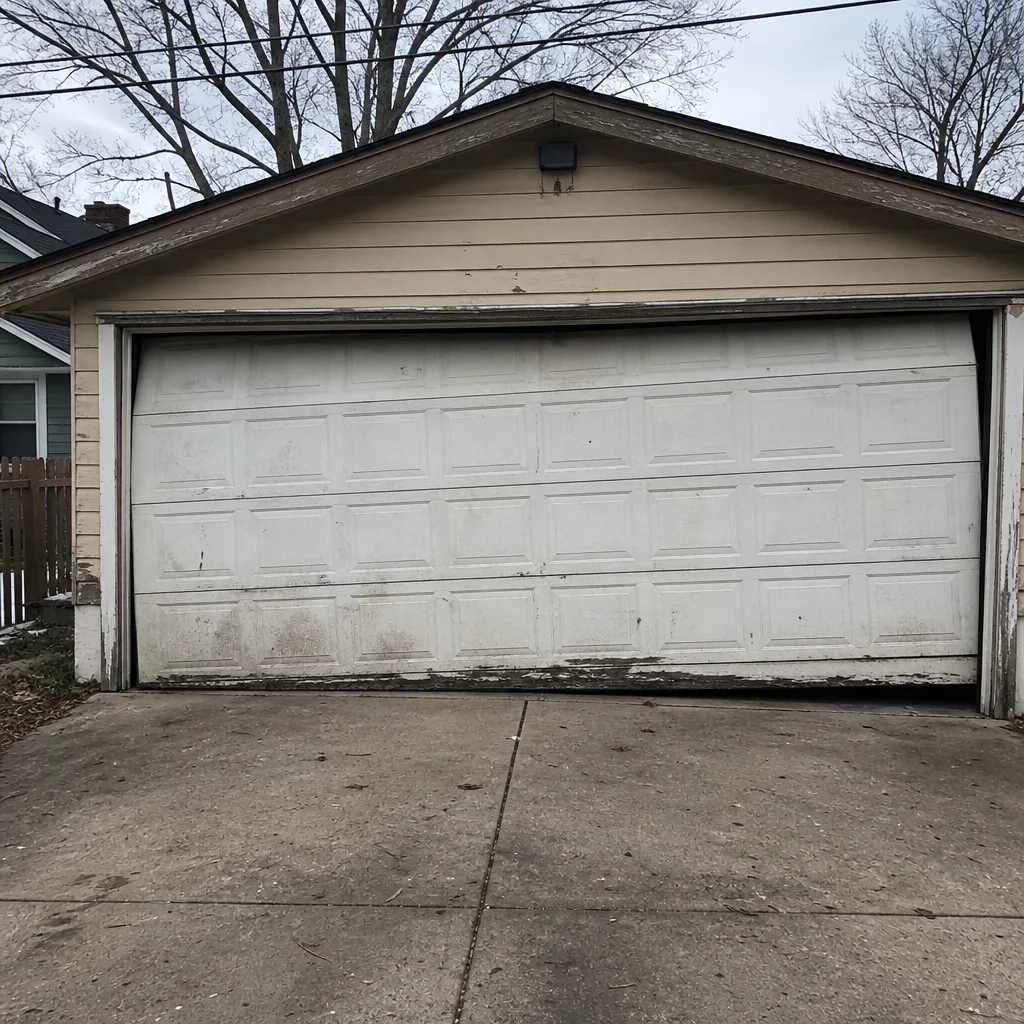 Before
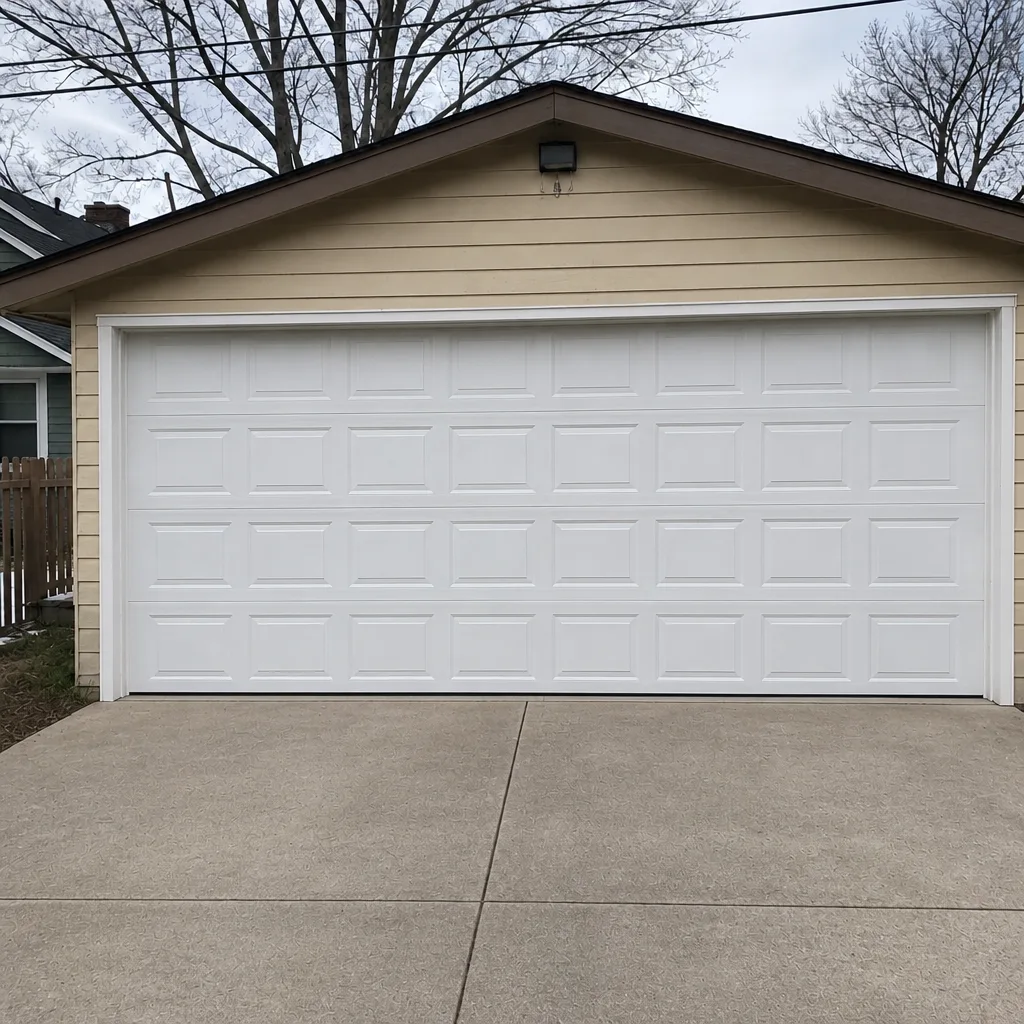 After
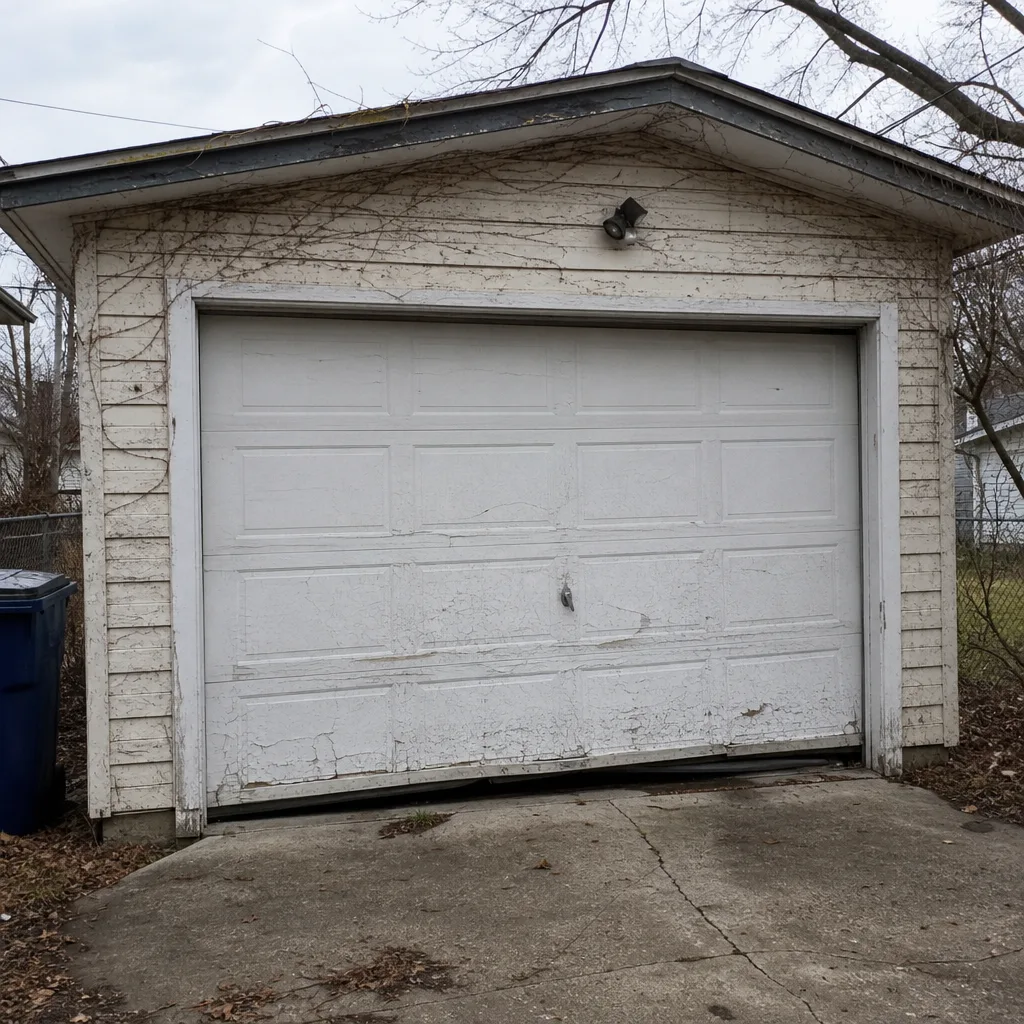 Before
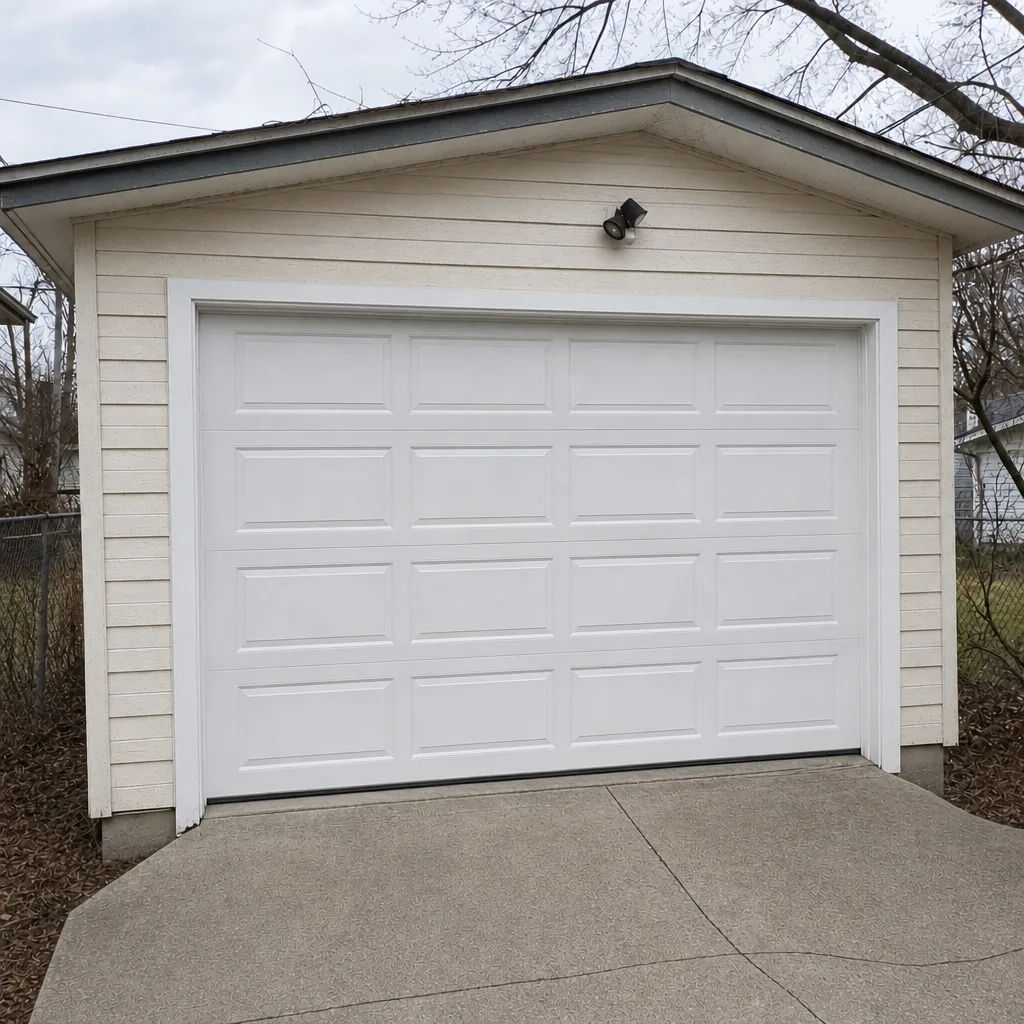 After
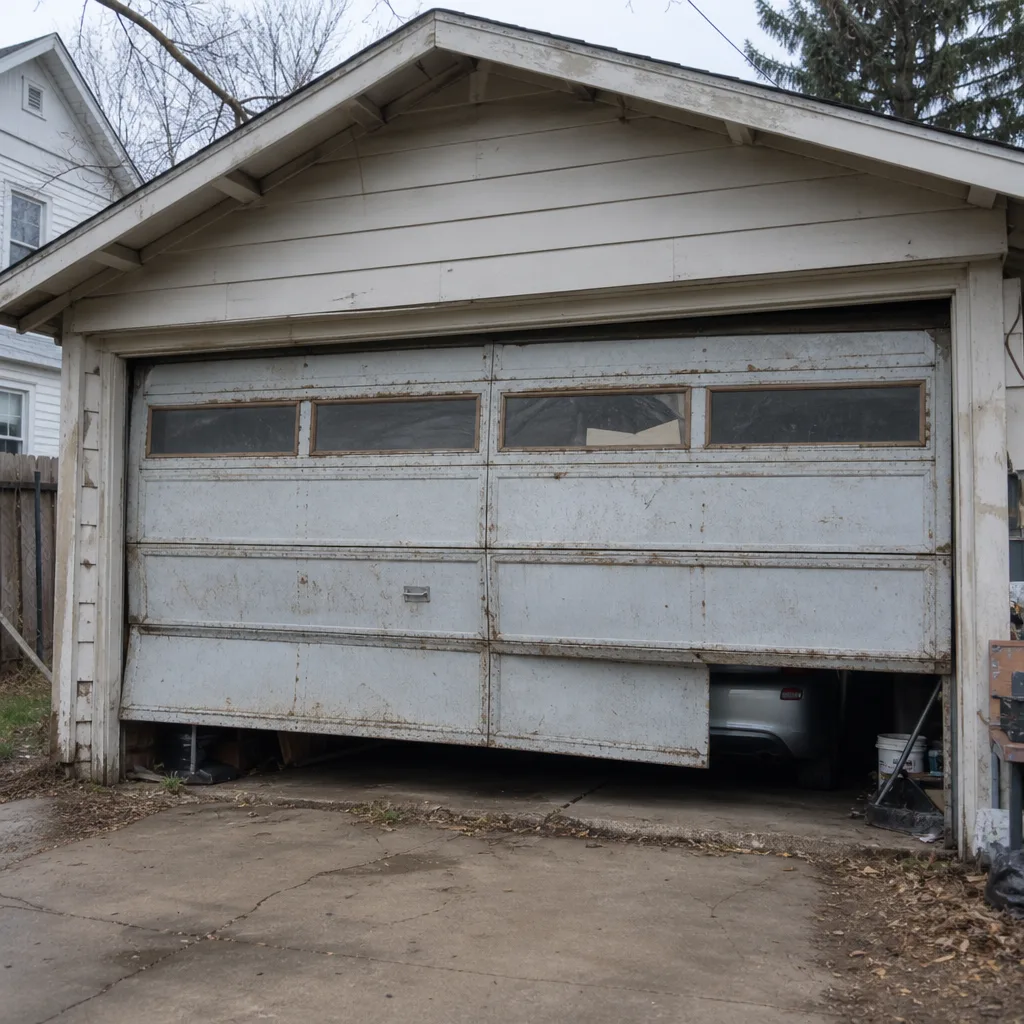 Before
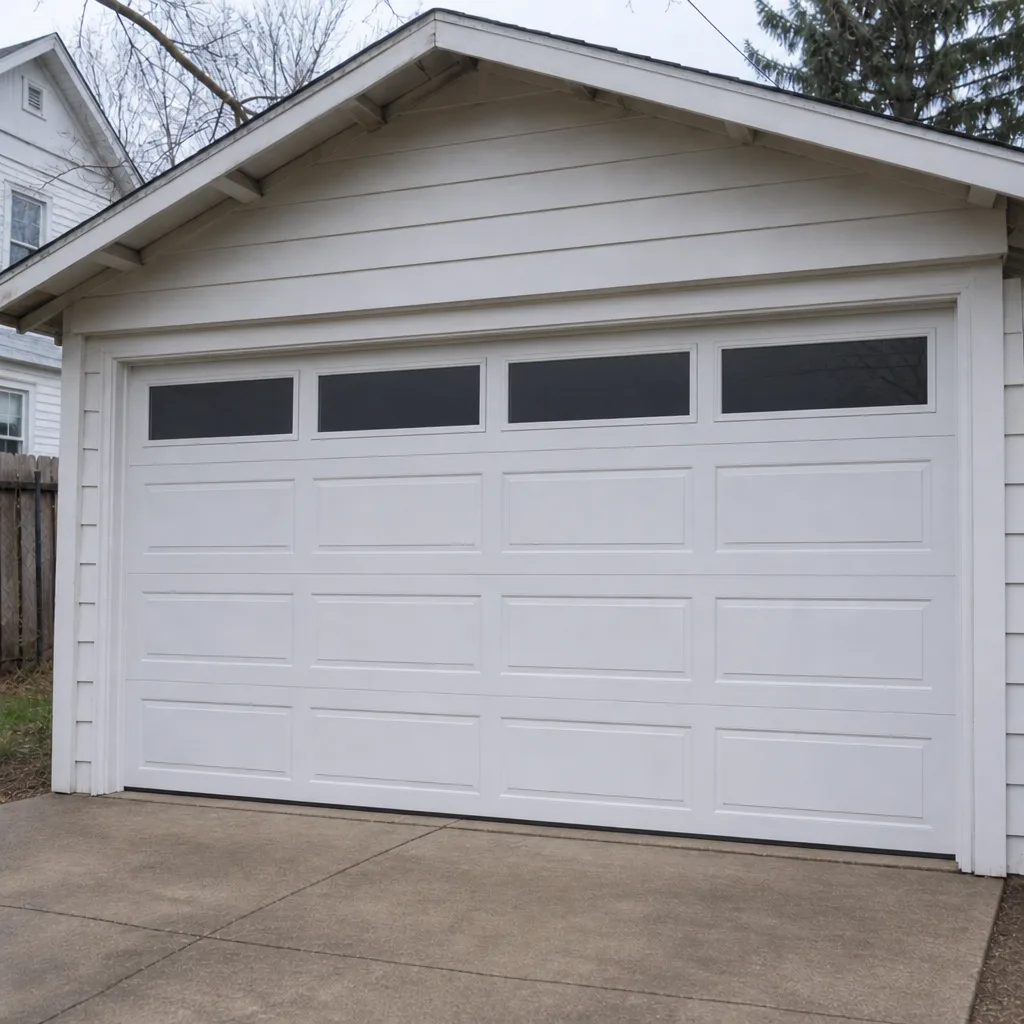 After
Frequently Asked Questions
The earliest signs are usually a change in sound or speed: a grind or squeal that wasn’t there before, or a door that lifts and lowers more slowly than it used to. Visual signs come next: a gap in the torsion spring coils, a frayed cable, or a track that’s started to bow. Catching any one of these is a good reason to call for a free estimate, and estimates at (877) 352-5109 are free.
Stop using the door today if a spring has snapped or shows a visible gap, a cable is frayed or has jumped its drum, a roller has popped out of its track, or the door is hanging crooked. Those are the signs that mean the door can drop or a part can release under tension. For anything on that list, call (877) 352-5109 and keep the door down until a technician looks at it.
No. A torsion spring holds the full weight of the door and can release with enough force to cause serious injury, and extension springs carry the same risk. Spring repair is a trained-technician job. Our technicians have up to 15 years of experience and work on high-tension springs safely, and we can quote the job for you before any work starts. Call (877) 352-5109 for an estimate.
Once a year for a professional tune-up, plus a quick visual check of your cables and springs each season. Powderhorn’s wet summers and cold, dry winters put extra load on springs and cables, and a yearly inspection catches fatigue before it turns into a broken spring. If your door is used as a primary entry point, a twice-yearly check is worth it. Estimates are free at (877) 352-5109.
A grind usually points to worn or dry rollers, a bent track the roller is scraping against, or a spring that’s lost lubrication. If the grind started recently and is getting louder, stop using the door and call for a free estimate. If it’s mild and persistent, it’s worth booking a repair so you don’t end up with a failed track. Call (877) 352-5109 and we’ll get you scheduled.
The written estimate you approve before work starts is the price you pay. Our estimates are quoted up front, and we walk through the diagnosis before any work begins so you know exactly what’s being replaced and why. If we find something additional while we’re in there, we’ll tell you and re-quote before we touch it. Call (877) 352-5109 for a free estimate.
The Bottom Line
Garage doors rarely fail without warning. The sounds, movements, and visual cues that precede a spring snap or a cable failure are usually there for days or weeks before the door stops working. Learn to read the four sounds, watch your door’s travel pattern, and do a seasonal visual check on cables, springs, and tracks. Split your warning signs into the ones that give you a week to schedule service and the ones that mean stop using the door today, and treat anything under high tension as a job for a trained professional. If you spot a warning sign, don’t wait for it to become an emergency call. Call (877) 352-5109 for a free estimate.
Written by the team at Garage Door Repair Powderhorn.