Last updated November 22, 2026
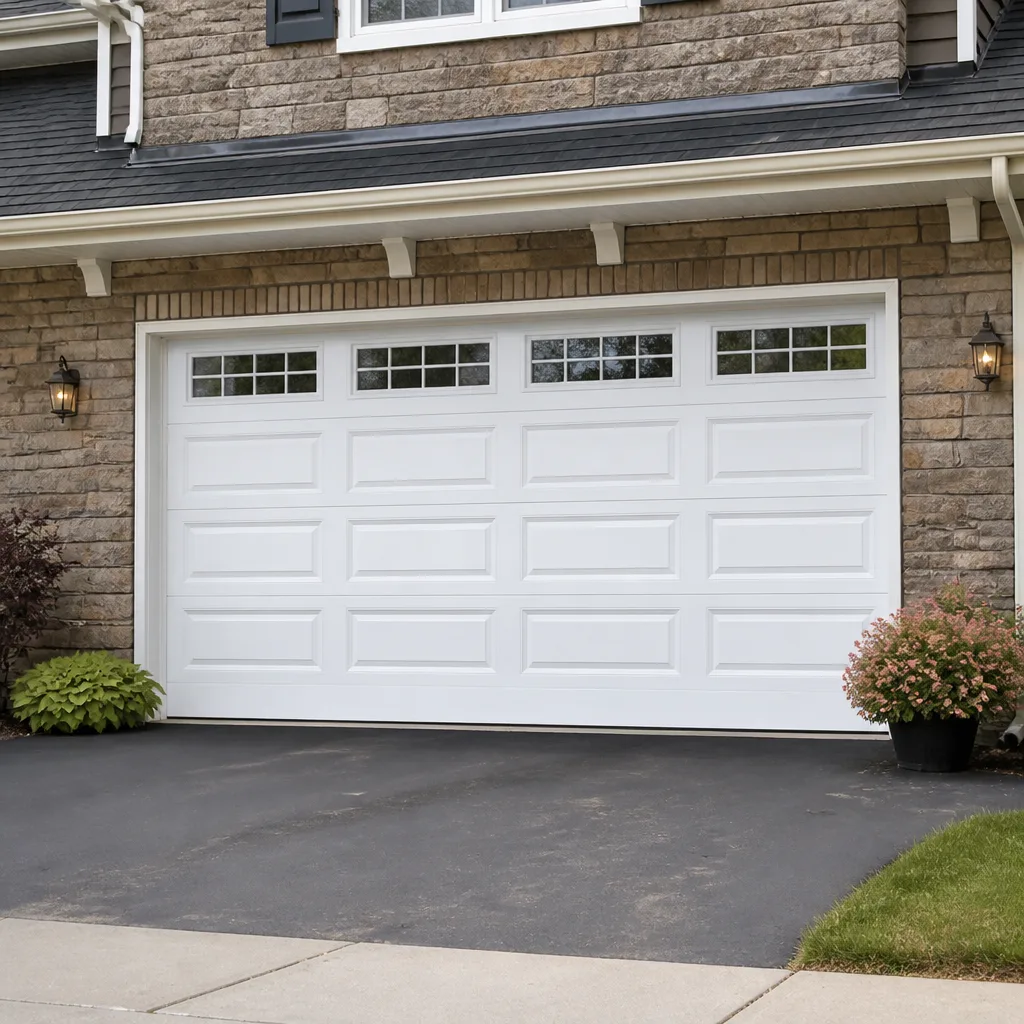 Raised-panel steel
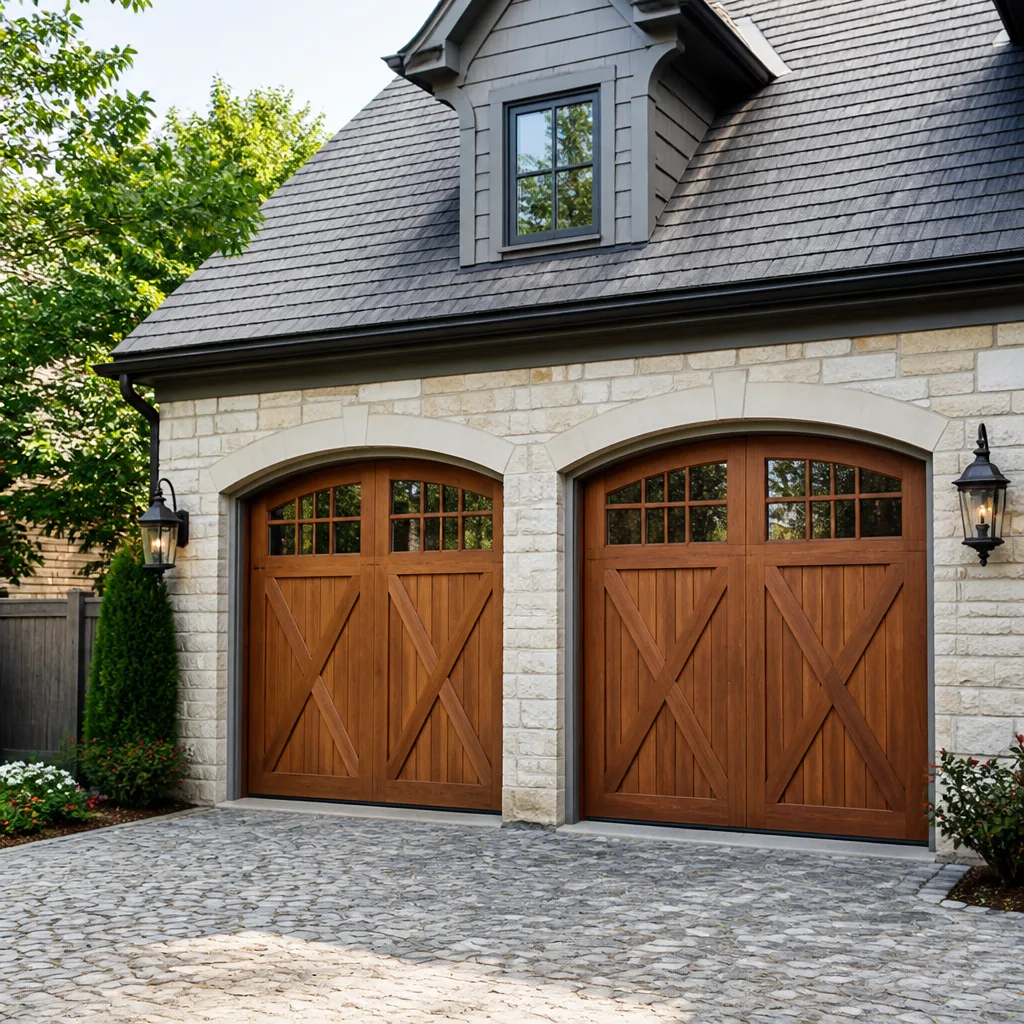 Carriage house
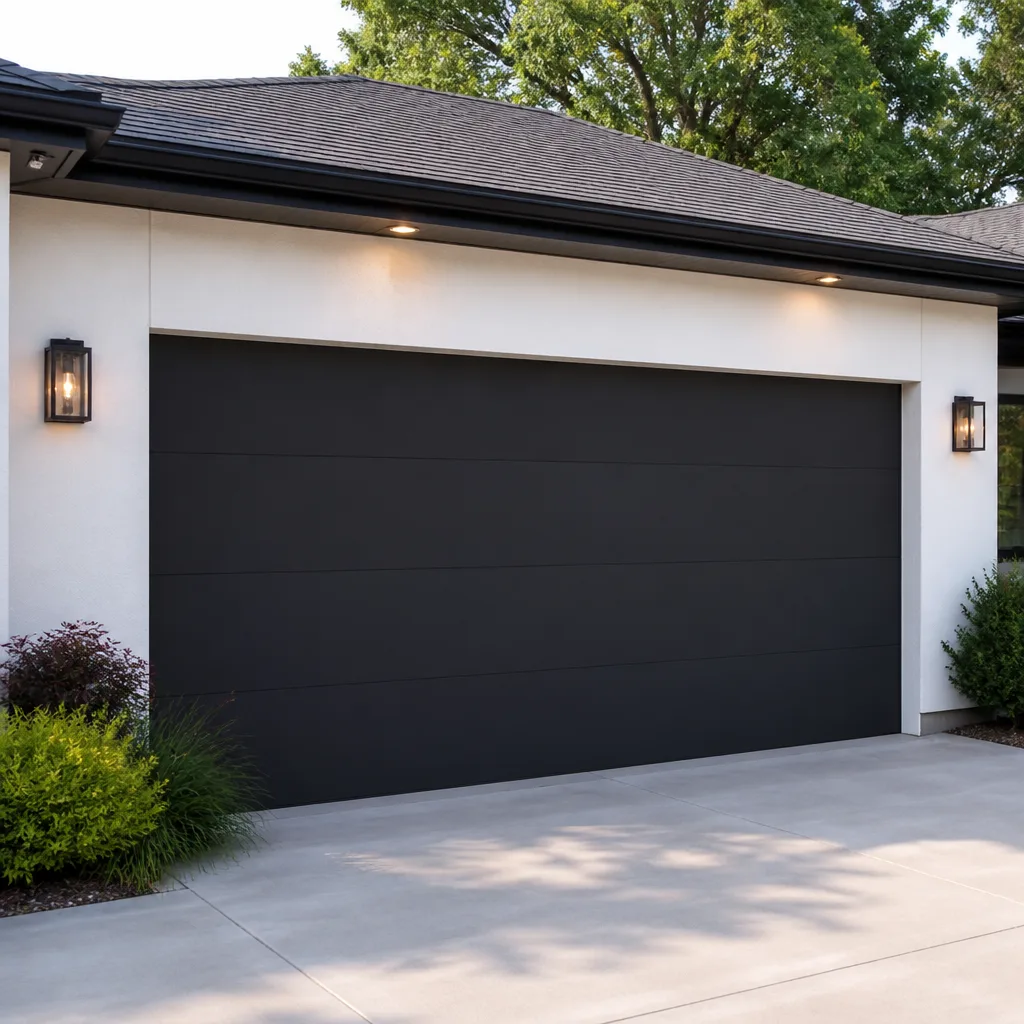 Modern flush
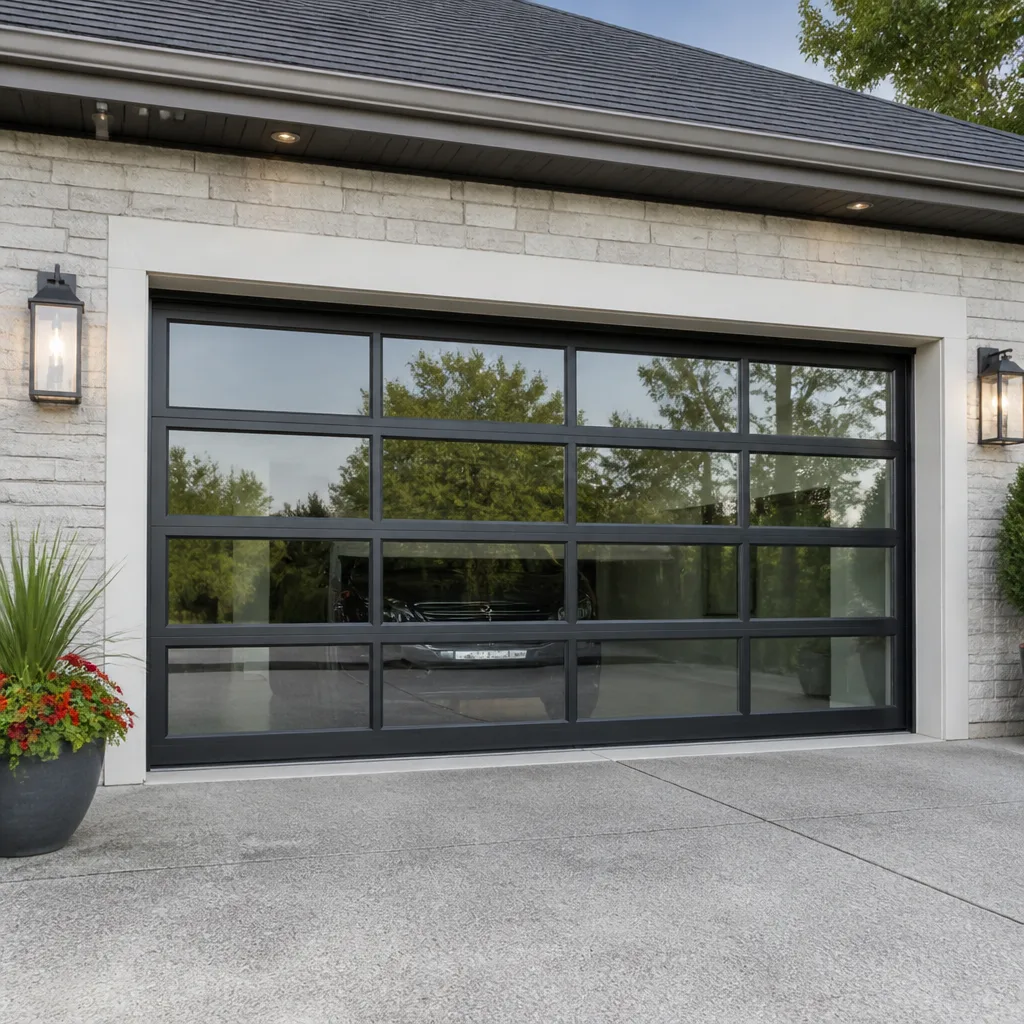 Full-view glass
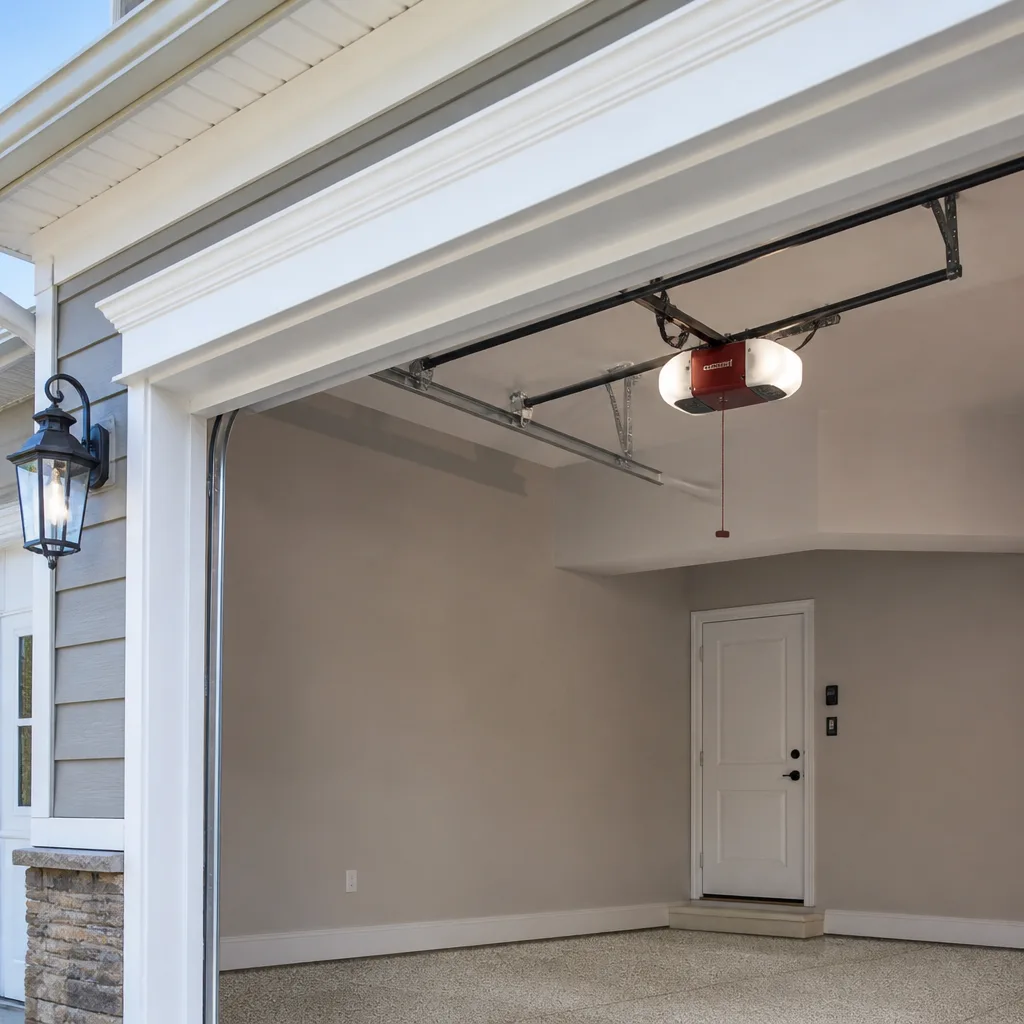 LiftMaster openers
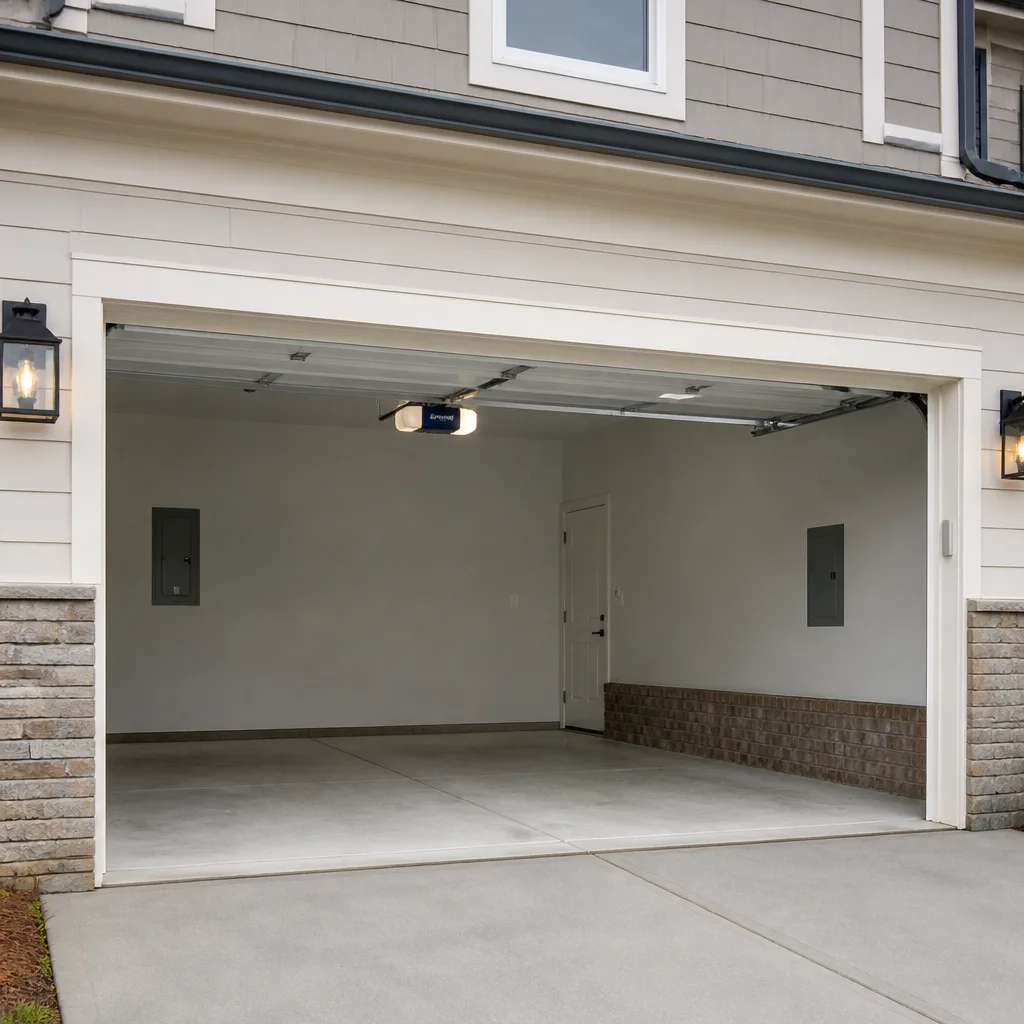 Chamberlain openers
Full 25-point door and opener safety check with every visit - springs, cables, rollers, tracks, and your LiftMaster or Chamberlain opener included
You get a price before we start. It does not change when the pro arrives.
Get your free estimateChoosing the Right Garage Door Brand: A Buyer’s Guide for Powderhorn
The brand with the best national warranty rating might be the worst choice for a Powderhorn home if the parts wear out in five years and nobody within reasonable driving distance keeps them on a shelf. That’s the hard part about buying a garage door in Minnesota: the brochure specs are measured in a lab, not in a Powderhorn winter that swings from a thaw on Tuesday to a hard freeze on Thursday. This guide ranks brands on what actually matters here – cold-weather performance, steel gauge, local parts support, and warranty language you can read without a lawyer. You’ll learn how to compare brands honestly, which questions to ask, and why a multi-brand specialist will tell you things a single-brand dealer won’t.
Quick Answer
The best garage door brand for a Powderhorn home is the one whose insulation and seal ratings hold up through repeated freeze-thaw cycles, whose steel gauge fits Minnesota’s wind and temperature range, and whose parts are stocked in the Minneapolis metro when something breaks years from now. In practice, that often means Clopay or Amarr for insulated steel doors and Chamberlain or LiftMaster for openers, but the decision should be made per home and per budget, not per national ranking. Any recommendation that ignores local parts availability is only half a recommendation.
Styles & brands we work with
- Raised-panel steel
- Carriage house
- Modern flush
- Full-view glass
- LiftMaster openers
- Chamberlain openers
Table of Contents
- Why the Right Brand Matters in Powderhorn Winters
- How to Read Cold-Weather Performance Specs
- Steel Gauge: What Powderhorn Really Needs
- Parts Availability in the Minneapolis Metro
- Warranty Language Decoded
- How the Major Brands Compare
- Why a Multi-Brand Specialist Gives Better Advice
- A Step-by-Step Selection Checklist
Why the Right Brand Matters in Powderhorn Winters
A garage door in Powderhorn gets cycled more often in a week than many national averages assume, because for a lot of homes the garage is the main entry point – not a storage room you open once a day. Every cycle works the springs, hinges, rollers, and opener motor. Now add the temperature swings: a January that drops to zero, thaws into the thirties, freezes again, and repeats. Metal expands and contracts, seals stiffen, lubricant thickens, and any weakness in the hardware shows up fast.
That’s why brand selection in Powderhorn isn’t about prestige. A door that opens smoothly in a mild climate can bind, sag, or refuse to close in a cold snap if the steel is too thin, the seals shrink too much, or the track hardware wasn’t built for a wide temperature range. The right brand is the one whose design assumptions match how the door will actually live: attached to a heated or semi-heated garage, faced at a wind-driven snow that finds every gap, and cycled by a household that depends on it as a front door.
We work on the hardware homeowners in Powderhorn already own, from LiftMaster and Chamberlain openers to Clopay and Amarr doors. The practical takeaway is this: choosing a brand is choosing a system, and the system has to survive a Minnesota winter, not a manufacturer’s test chamber.
Here’s a second piece of context that gets overlooked. Garage doors fail most in transition months – October and April – when freeze-thaw cycles are the most aggressive. A door that was fine all summer suddenly hesitates in late autumn as the metal contracts and the seals stiffen. That’s when call volume climbs, and it’s exactly the wrong time for a brand whose nearest distributor requires a special order that takes a week to fill.
How to Read Cold-Weather Performance Specs
Cold-weather performance in a Powderhorn garage comes down to two spec numbers most homeowners skip past: insulation R-value and seal rating. Look at both before you look at color, window patterns, or curb appeal.
Insulation R-value tells you how well the door resists heat loss. It matters in Minnesota because the garage sits between the heated house and the outside, and an uninsulated door lets cold air move into the garage and into the rooms above and beside it. R-values vary widely across brands and product lines – some doors are measured in single digits, some in the teens, and the difference shows up both in the garage temperature and in how the door feels when the wind picks up. Don’t chase the highest R-value on the market; match it to your setup. An insulated door on a detached, unheated garage does less than an insulated door on an attached garage under a heated room.
Seal ratings are less standardized and more important than most people realize. Look at the bottom weather seal, the perimeter seal, and the way the door meets the frame. A door with a high R-value and a poor seal will still leak air at the edges. In Powderhorn, the seal has to work in a hard freeze and stay flexible enough not to crack when the door closes on it in January.
Ask three questions before you commit:
- What is the R-value of this specific door, and is it consistent across the panel or advertised as an average?
- What kind of bottom seal does it use, and how does that seal behave when the rubber is cold?
- How does the perimeter seal meet the frame, and what fills the gaps at the top corners?
If a brand won’t give you clear answers on those three, keep looking. That door won’t serve a Powderhorn home well regardless of the label on it.
Steel Gauge: What Powderhorn Really Needs
Steel gauge is the number most buyers never hear and end up wishing they had. Gauge measures metal thickness, and in general a lower gauge number means thicker steel. The difference between a thinner and a heavier gauge shows up as dent resistance, long-term straightness, and how well the door holds its shape when the wind pushes against it and the temperature drops.
Here’s the practical view for a Powderhorn garage. Thicker steel resists denting, holds a straight edge better over time, and takes wind load without flexing the panel seams – all of which matter in a climate with both temperature extremes and gusts. Thinner steel is lighter and sometimes cheaper, and it can be a fine choice for a low-traffic detached garage that never sees a car. It’s a poor choice for an attached garage under a heated room where the door sees daily cycles and the occasional backed-in bumper.
Nobody can tell you a single gauge that fits every home. The right goal is to know which gauge each manufacturer offers at each price tier and to decide whether the door you’re looking at is thick enough for how yours will be used. A good rule of thumb for a Powderhorn attached garage is that if the door feels flimsy when you press the panel with your hand, it will likely show it after several Minnesota winters.
Ask the seller to show you the gauge on the spec sheet. If that number isn’t available for the door you’re considering, that’s a red flag. It also tells you how easy it will be to source a matching panel five or ten years from now if a single panel gets dented, since panel dimensions and profiles change across product lines.
Parts Availability in the Minneapolis Metro
This is the criterion most guides skip, and it’s the one that costs the most in the long run. A brand is only as good as its local supply chain. If a torsion spring breaks, a hinge snaps, or an opener logic board fails, the question becomes whether a local parts supplier carries the correct replacement or whether it requires a special order – possibly a week out.
Parts availability is not the same thing as brand popularity. A brand can sell in high volume nationally and still have thin distributor coverage in a specific metro. What matters for a Powderhorn home is whether the brand has distributor support in the Minneapolis metro and how quickly common wear parts – springs, rollers, hinges, cables, opener boards, safety sensors – can be sourced.
How to check a brand’s local support before you buy:
- Ask the seller which local distributors carry the brand’s parts and how quickly they can get common components.
- Ask specifically about the parts that fail first: springs, opener logic boards, safety sensors, and hinges.
- Ask what happens if the model you buy is discontinued five years from now – does the manufacturer keep panels and hardware for it, and for how long?
- Ask whether the door and opener can be serviced by a multi-brand technician or only by a dealer for that brand.
A brand with strong national ratings and weak Powderhorn parts coverage is a slower fix waiting to happen. When your door won’t close on a below-zero morning, “we can order it” is not a helpful answer. Clopay and Amarr both have parts networks around the metro that you can usually tap into quickly, while some other brands take a special-order route for anything beyond routine wear parts.
Warranty Language Decoded
A “lifetime” warranty sounds like an unqualified promise until you read what it actually covers. In practice, warranties on garage doors and openers are split across multiple layers, each with its own length and its own exclusions. Read the whole document before you sign, not the headline.
Most garage door warranties break down like this:
- Structural warranty – often advertised as “lifetime” and usually covers what the manufacturer considers a structural defect in the door panels.
- Mechanical and hardware warranty – shorter, covering hinges, rollers, springs, cables, and the parts that wear out first.
- Section or finish warranty – covers delamination, surface defects, and paint issues, but usually not dents, scratches, or damage from use.
- Opener warranty – often divided between the motor, the drive system, and the electronics, each with a different length.
The exclusions matter as much as the coverage. In Minnesota, look specifically for these three:
- Labor exclusions. “Lifetime” warranties almost always cover the parts, not the labor to install them. Ask what a typical repair would cost out of pocket, even under warranty.
- Discontinued-model language. If the manufacturer stops making your model, the warranty may allow a substitute rather than an exact match. That’s fine for a hinge, painful for a door panel that no longer matches.
- Installation and maintenance requirements. Many warranties void if the door was installed incorrectly or if annual maintenance wasn’t done. Ask what documentation you need to keep.
The right question isn’t “How long is the warranty?” It’s “What will this warranty actually pay for if a panel delaminates, a spring fails, or the opener board dies in year six?” A brand with a shorter warranty and clean exclusions is often a better bet than a long warranty with a dozen carve-outs.
How the Major Brands Compare
No single brand is best for every Powderhorn home, but the major brands do cluster into recognizable profiles. Here’s how the ones you’re most likely to encounter shake out on the criteria that matter in Minnesota.
Clopay
Clopay covers a wide range of styles and price tiers, with insulated steel options that spec clearly for cold climates. The brand’s parts network is generally strong in the Minneapolis metro, which means routine repairs don’t drag out. Its appeal in Powderhorn is the range: you can match a real budget and a real R-value without being pushed into a single product tier.
Amarr
Amarr is a solid choice for homeowners who care about insulation and steel options at multiple price points. Its parts availability in the metro is reasonable, and the brand’s product lines offer cold-climate insulation options that fit a Powderhorn attached garage. Door profiles and panel designs are straightforward to match if a panel needs replacing later.
Chamberlain and LiftMaster
On the opener side, Chamberlain and LiftMaster are the two brands you’ll see most often, and for good reason: they have broad dealer and parts support, so a failed logic board or safety sensor is usually a same-day fix rather than a week-long order. Both brands are worth comparing on noise level, belt versus chain drive, and smart-home compatibility.
Genie
Genie openers are common and generally well supported, though parts availability for some models can lag the top two. Worth considering for the price, but ask about the specific model’s parts coverage before you commit.
Wayne Dalton, Craftsman, and Raynor
These brands show up regularly on Powderhorn homes and range from solid to serviceable depending on the product line and the year. We work on all three, and the guiding question is whether the specific model’s wear parts can be sourced locally. If the model is old or discontinued, that answer can change the whole repair plan, which is worth knowing before you schedule work.
Read the specification on each of those individually rather than trusting a national ranking. The brand that wins on a website’s scorecard may lose on Powderhorn parts availability, and vice versa.
Why a Multi-Brand Specialist Gives Better Advice
A single-brand dealer can only recommend what they sell. That’s not a criticism of those dealers – it’s a structural limit. If a homeowner asks which of several doors fits their Powderhorn garage, the dealer’s answer is shaped by the catalog in front of them, not by what’s actually best for the home.
A multi-brand specialist is trained on the hardware homeowners already own, which produces honest comparisons. We work across eight major brands – LiftMaster, Chamberlain, Genie, Clopay, Amarr, Wayne Dalton, Craftsman, and Raynor – so a recommendation can be driven by the existing opener, the door’s size and weight, the garage’s insulation, and how the household uses the door. If the right answer is to replace the opener and keep the door, or keep the door and upgrade the springs, we can say that. If a homeowner needs a garage door installation, we can talk through brand tradeoffs without steering toward one we happen to stock.
There’s a practical benefit too. Different brands use different hardware, different spring wind directions, and different opener logic. A single technician who works across brands diagnoses faster and sources the correct parts the first time. That means one call covers the repair, the opener, and the door, with no second appointment for a different issue and no referral to somebody else. One call covers it all.
The other side of honest comparison is knowing when the brand doesn’t matter as much as the installation. A well-installed mid-range door will usually outperform a poorly installed premium door over ten years, because the track alignment, spring tension, and seal contact determine most of the door’s longevity. Whatever brand you pick, the installation and the ongoing service matter as much as the label.
A Step-by-Step Selection Checklist
Use this ordered process the next time you compare doors or openers. It pushes the decision away from showroom appeal and toward what happens in year five.
- Define the use case. Is the garage attached or detached? Heated or unheated? Daily cycles or occasional? Is the door the main entry? The answers decide how much insulation, gauge, and opener strength you actually need.
- Check insulation and seal specs for the specific model. Don’t accept a brand-level claim; ask for the R-value and seal type for the door you’re buying.
- Verify steel gauge. Ask for the gauge on the spec sheet, and press on the panel. If it flexes under hand pressure, it’s not built for a Powderhorn attached garage.
- Confirm parts availability in the Minneapolis metro. Ask which local distributor carries the parts and how long common wear parts take to source.
- Read the warranty exclusions. Focus on labor, discontinued-model language, and maintenance requirements.
- Get a written estimate that includes installation. Any price should be quoted and agreed before work starts. That applies to a repair and to a new door.
- Match the opener to the door. An underpowered opener shortens the life of a heavier insulated door. Ask the technician to check the opener’s lift rating against the door weight.
We’ve seen this checklist save homeowners from two common outcomes: buying more door than they need for a detached garage, and buying less door than they need for an attached one. Either mistake usually shows up within a season or two, after the return window has closed.
Common Mistakes to Avoid
- Choosing on national rankings alone. A brand that tops a national list may have the weakest local parts support. Check the Minneapolis metro supply chain before you decide. This is the single most expensive shortcut.
- Ignoring the R-value because “the garage is cold anyway.” An uninsulated door next to a heated room pulls cold air into the house and puts extra strain on the furnace. Insulation matters even when you don’t heat the garage itself.
- Skipping the steel gauge. Thin steel dents easily and holds its shape poorly in cold. It’s the most common reason a budget door looks tired after a few Minnesota winters.
- Lumping the door and opener into one decision. A good door with the wrong opener wears faster and cycles louder. Match the opener to the door’s weight and the household’s cycle count.
- Buying on the warranty headline. “Lifetime” is a parts-only promise more often than not. Read the exclusions before you sign, especially the labor clause and the discontinued-model language.
- Treating a spring failure as a DIY project. Springs are under high tension and can cause serious injury when handled incorrectly. Call a trained technician; this is not a job for a weekend toolkit.
- Hiring whoever answers the phone without checking the installation quality. A poorly hung door will fail faster than a good door well installed. Ask for a written estimate, ask who does the install, and ask how they handle follow-up service.
See the difference
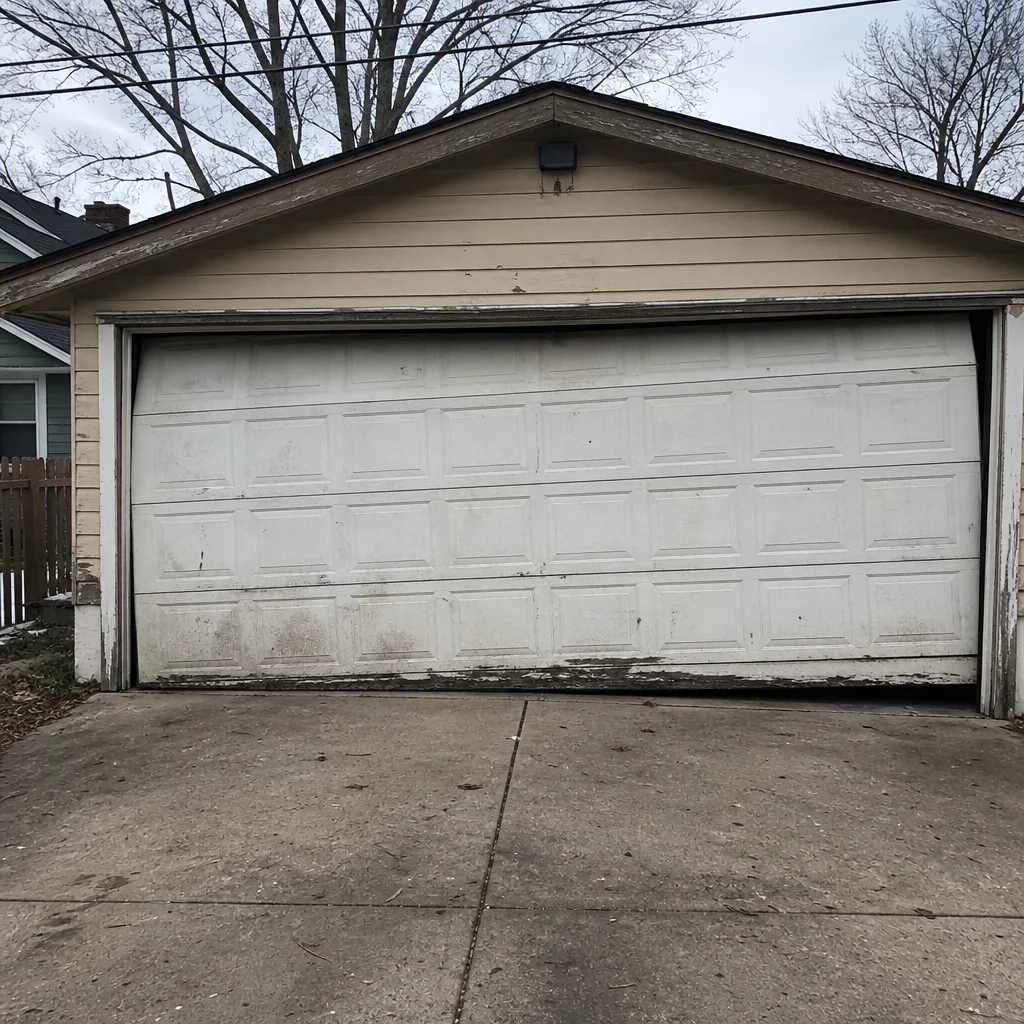 Before
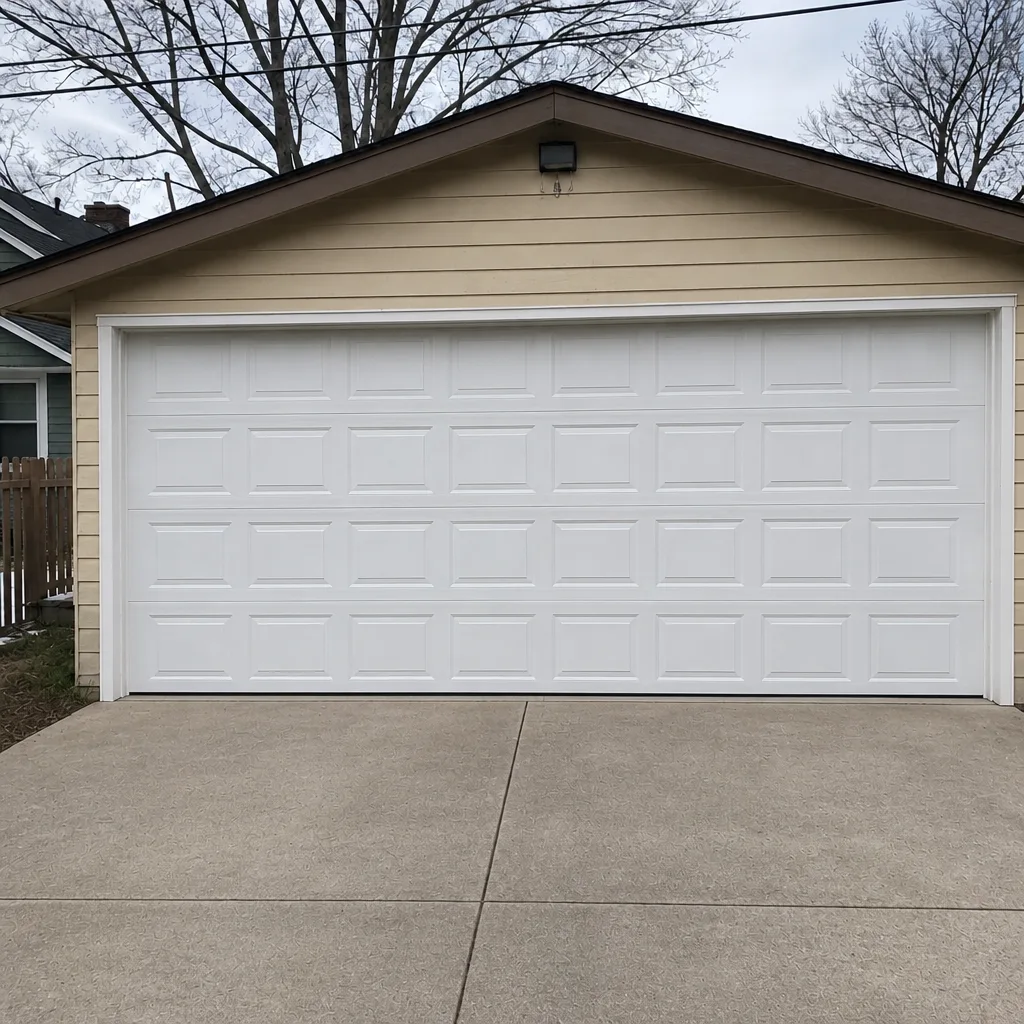 After
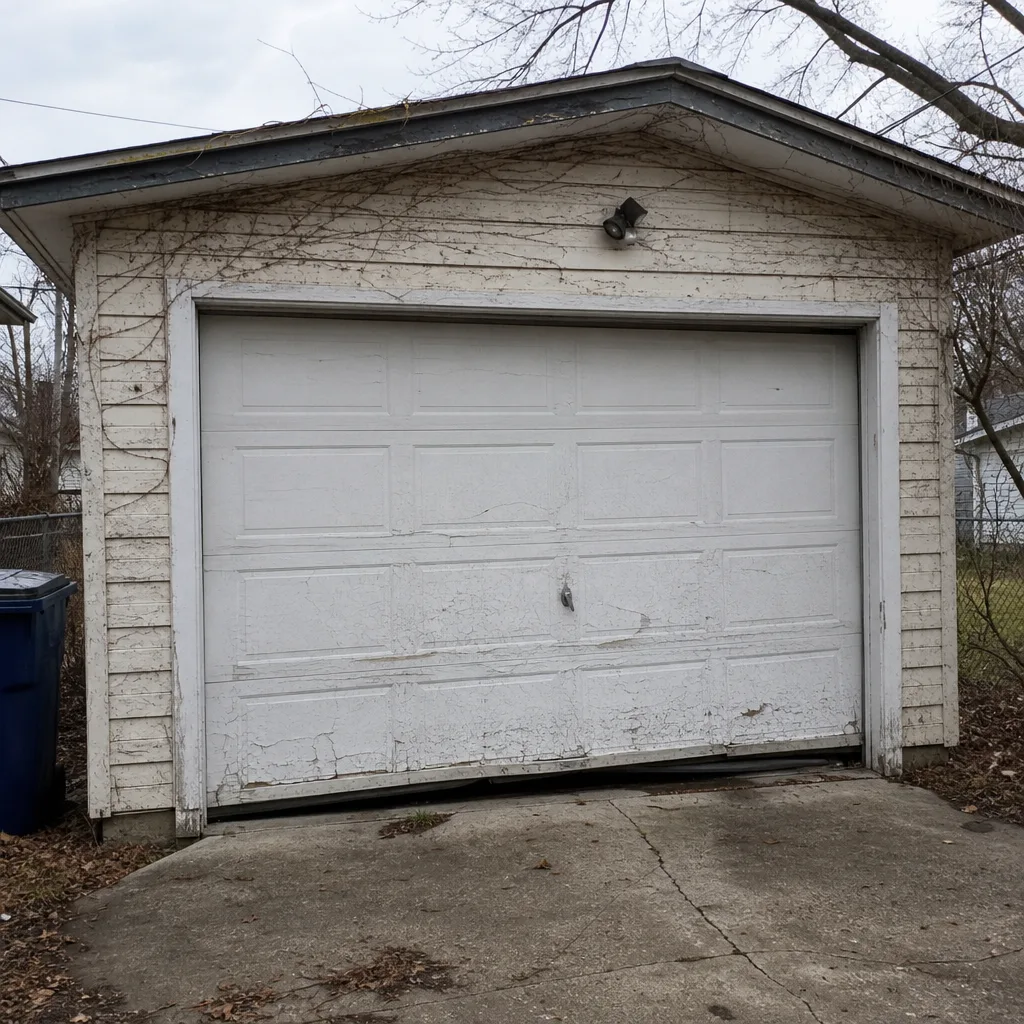 Before
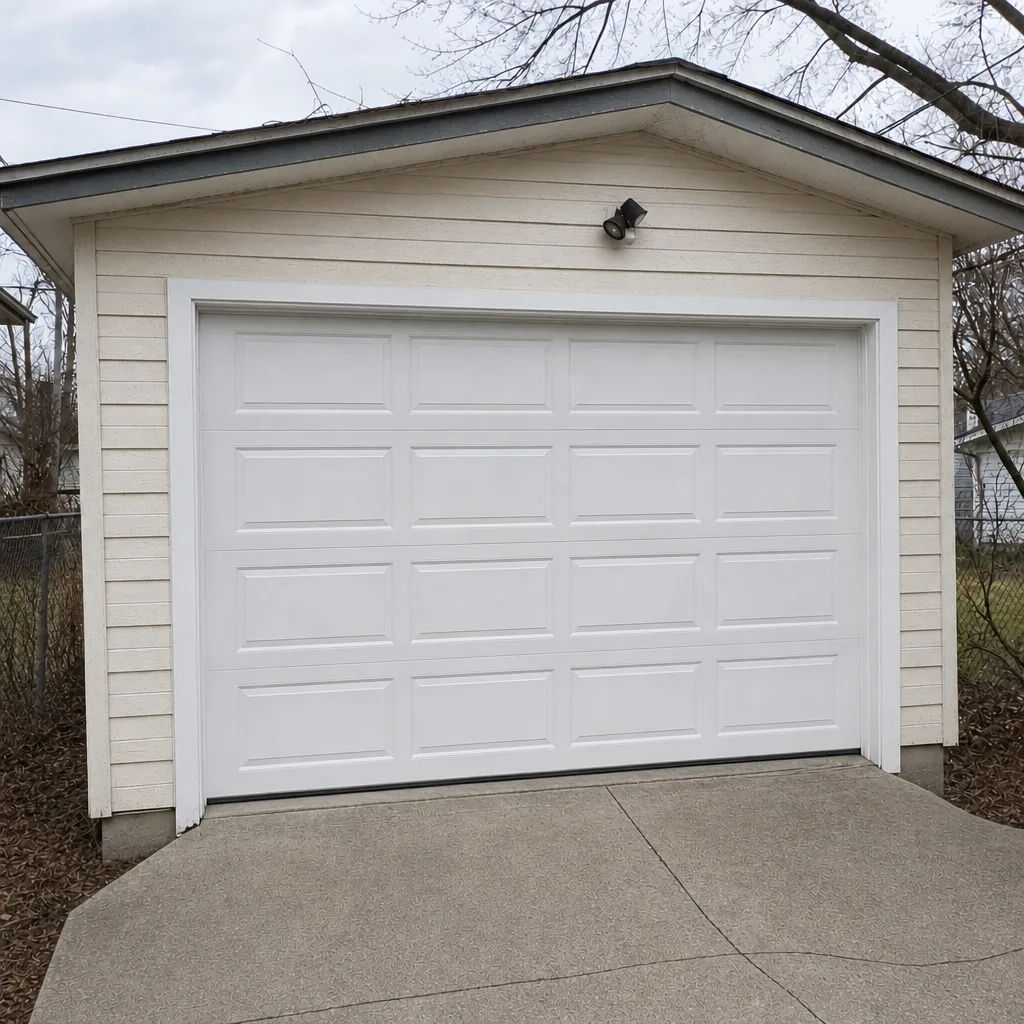 After
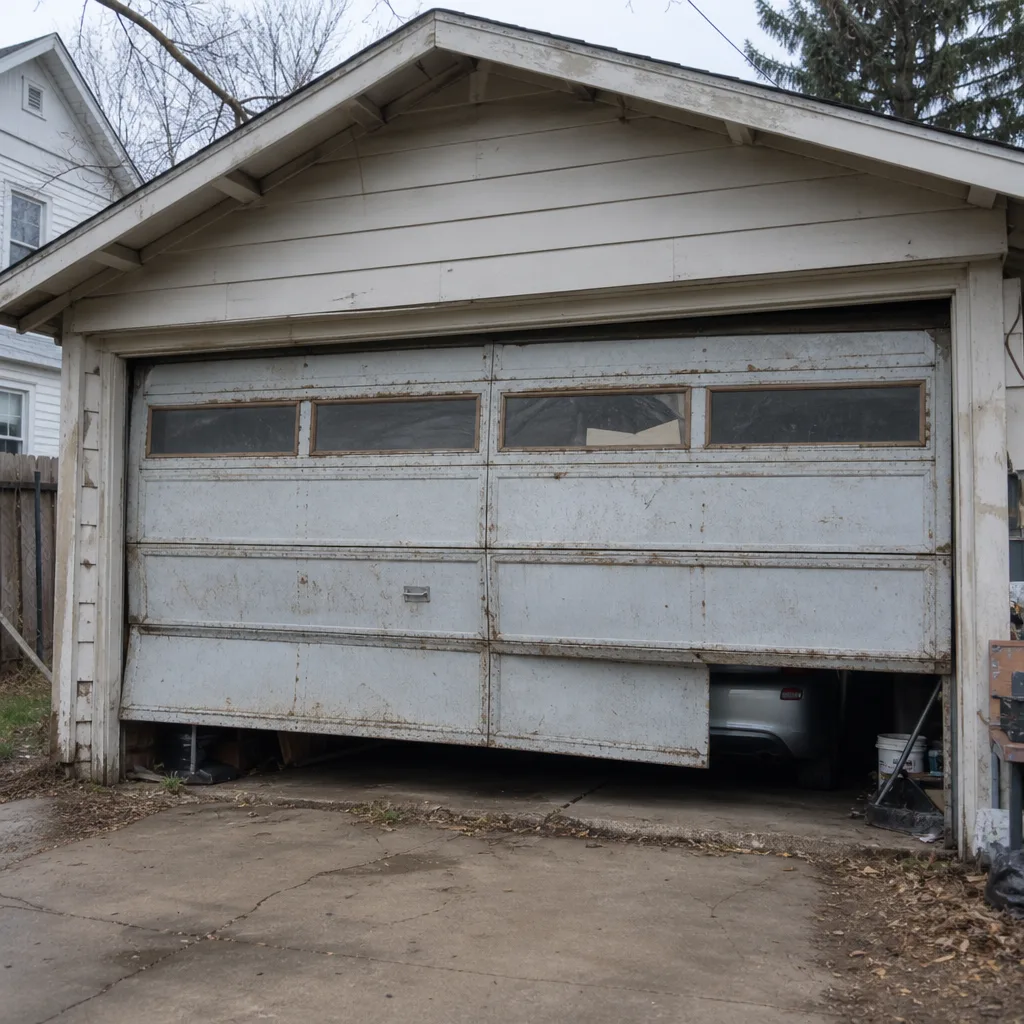 Before
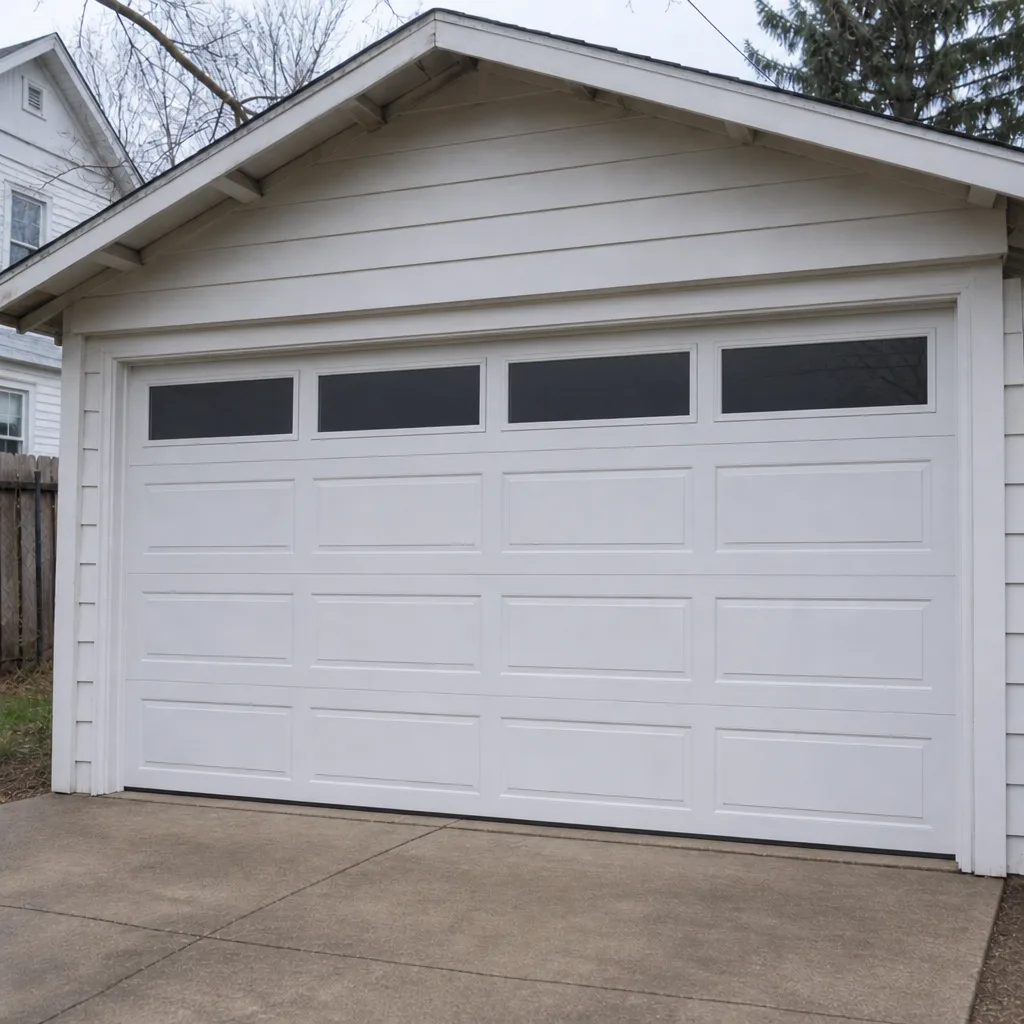 After
When to Call a Professional
Some garage door problems should send you to the phone right away rather than to a search bar. A broken spring, a snapped cable, a door that comes off its track, or a door that slams down instead of reversing – those are safety and security issues, not weekend projects. A door stuck open leaves the house exposed; a door stuck closed traps the car and, sometimes, the person inside the garage. Call a technician for those before you touch anything. For an opener that won’t respond, a sensor that blinks constantly, or a door that opens rough, professional diagnosis usually saves a second visit and a wrong part. We handle garage door repair and garage door opener repair across Powderhorn, and free estimates are available if you want to know what a fix would involve. You can also read more about our broader Garage Door Repair Powderhorn work. When you’re ready, call (877) 352-5109 for a free estimate. Trained technicians handle springs, openers, and installation, and the price is quoted and agreed before any work starts.
Frequently Asked Questions
The best brand is the one whose cold-weather specs, steel gauge, and local parts availability all line up with your garage. In practice, insulated steel doors from Clopay or Amarr and openers from Chamberlain or LiftMaster are strong fits for most Powderhorn homes, but the right answer depends on whether the garage is attached, heated, and used daily. Call (877) 352-5109 for an exact comparison – estimates are free.
Garage door pricing in Powderhorn depends on the door size, insulation level, gauge, and opener, and it’s quoted per job by estimate rather than as a flat rate. The written estimate you approve is the final price, and it should be agreed before any work starts. Ask for a free measure and a written price for your specific door. Call (877) 352-5109 to start.
You need an R-value matched to your garage, not the highest number on the market. An attached garage under a heated room benefits from real insulation; a detached, unheated garage gets less from it. Ask for the R-value of the specific model, not the brand average, and pair it with a seal that stays flexible in the cold. Call (877) 352-5109 for an exact recommendation.
We work on LiftMaster, Chamberlain, Genie, Clopay, Amarr, Wayne Dalton, Craftsman, and Raynor hardware. That means the recommendation can be based on your existing door and opener rather than on a single brand’s catalog. Call (877) 352-5109 with the model names and we can tell you what’s involved.
In most cases, a “lifetime” warranty covers parts, not labor, and it usually has exclusions for installation problems, missed maintenance, and discontinued models. Read the labor clause and the discontinued-model language first, since those come up most in Minnesota. Ask the seller to put the warranty summary in writing before you sign. Call (877) 352-5109 with questions about a specific brand’s coverage.
If the parts aren’t stocked in the Minneapolis metro, a repair can take days or longer while a special order is filled. That’s why local distributor support should be checked before you buy, and it’s why we recommend brands with a healthy parts network around the metro. Call (877) 352-5109 if you’re unsure whether your door or opener can be repaired with locally available parts.
The Bottom Line
The right garage door brand for a Powderhorn home is the one that survives freeze-thaw cycles, holds its gauge and seal through the winter, and can actually be serviced when something breaks in 2031. Read the insulation and seal spec for the specific model, verify the steel gauge, confirm Minneapolis metro parts availability, and decode the warranty exclusions before you sign. Skip the national scorecards and rank on Powderhorn criteria instead. When you’re ready to compare brands honestly, we’re a single call away for repair, opener service, springs, or a full replacement.
There’s a final test we suggest to every homeowner before signing anything: ask what the plan is if a single panel gets dented or the opener fails in year six. A brand with a clear answer to that question is a brand worth choosing. A brand that deflects it is telling you something about the parts and warranty side of the business – the half that doesn’t show up in the showroom. The door is the visible half; the service network is the other half, and both have to be right.
Written by the team at Garage Door Repair Powderhorn.