Last updated November 22, 2026
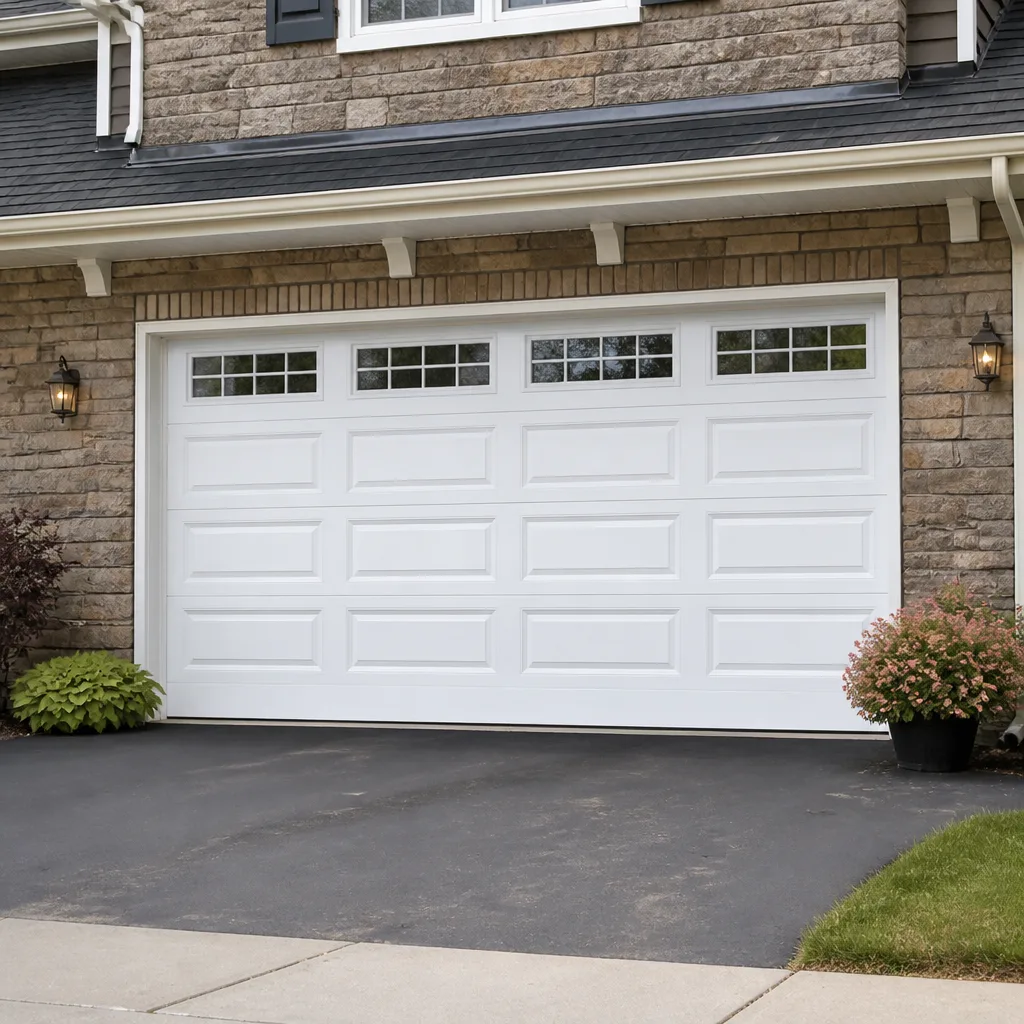 Raised-panel steel
 Carriage house
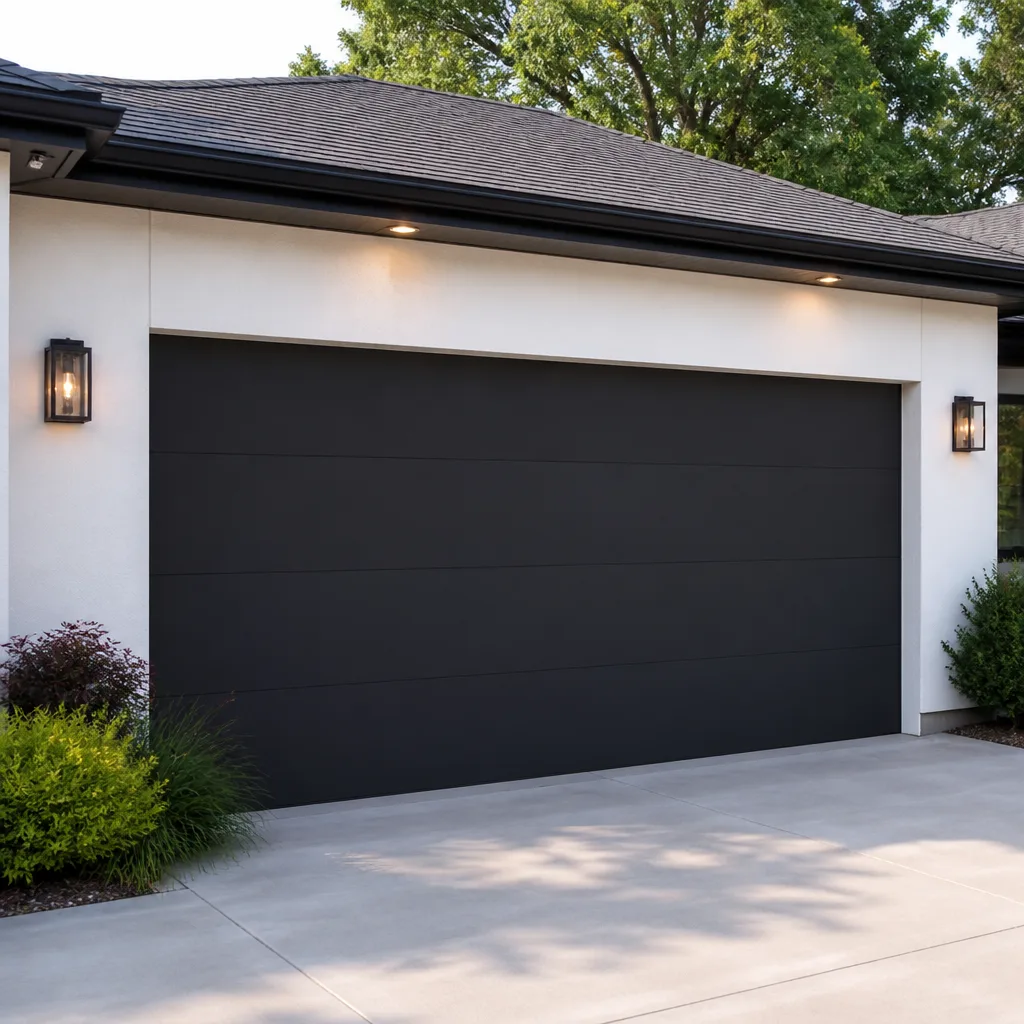 Modern flush
 Full-view glass
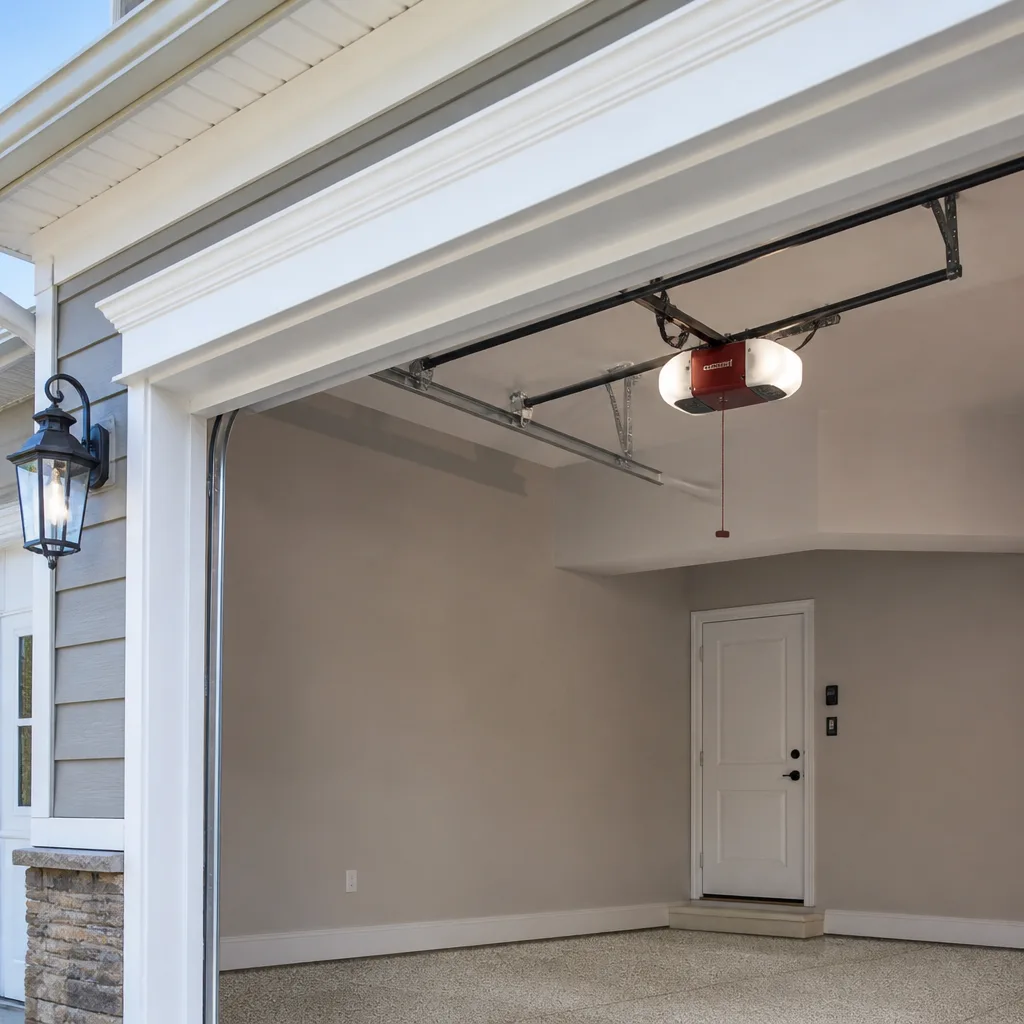 LiftMaster openers
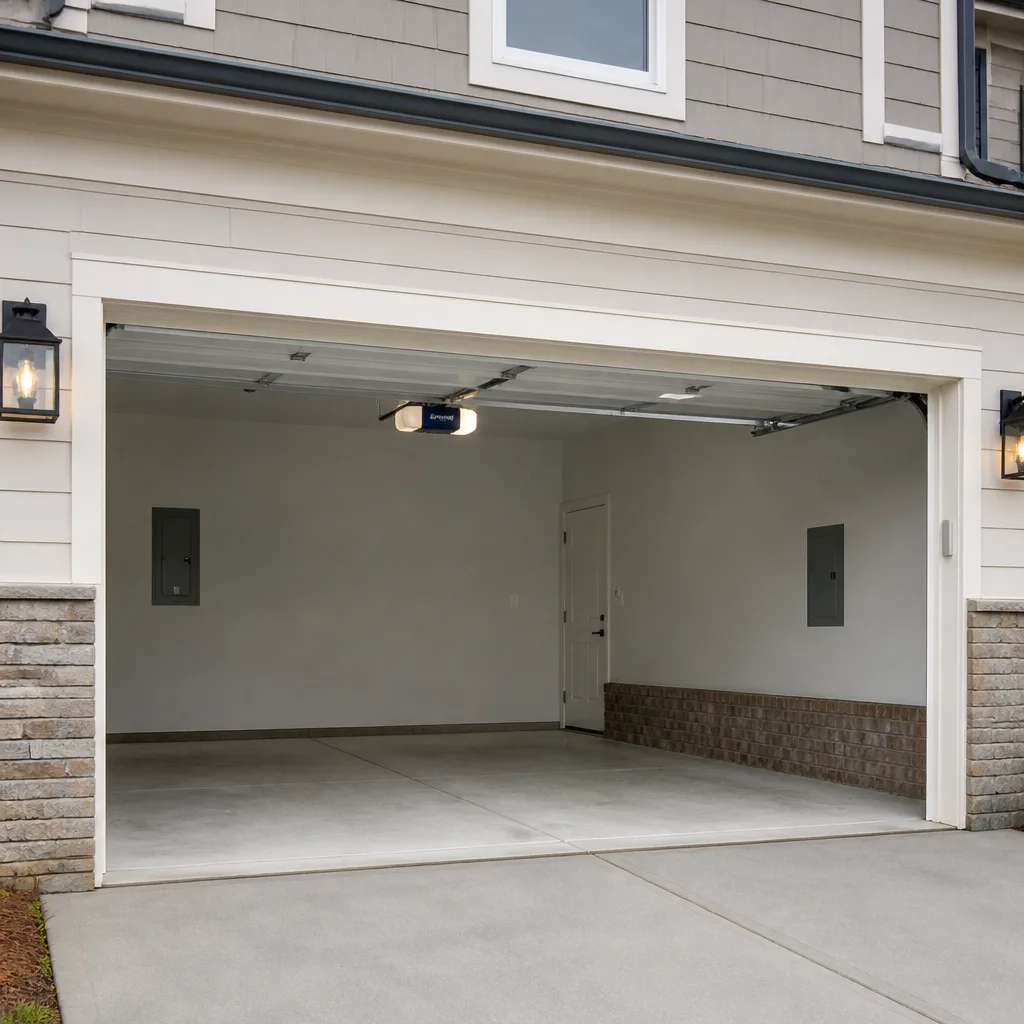 Chamberlain openers
Full 25-point door and opener safety check with every visit - springs, cables, rollers, tracks, and your LiftMaster or Chamberlain opener included
You get a price before we start. It does not change when the pro arrives.
Get your free estimateGarage Door Repair Maintenance Checklist for Powderhorn Homeowners
The number one cause of mid-winter garage door failure in Minnesota isn’t a broken spring. It’s a lubrication schedule designed for a mild climate that left metal components brittle by January. Most garage door checklists you’ll find online are written for a place where the coldest week of the year dips to 40°F. Powderhorn doesn’t live there. Here, a door can face -20°F in February and 90°F in July, and the parts that fail are the ones nobody thinks to touch until something snaps. This guide is sequenced by what breaks first in Powderhorn’s climate, not alphabetically. You’ll get a month-by-month schedule, the right lubricants for sub-zero cold, a five-minute seal test to run before the first hard freeze, and a simple log you can hand a buyer someday.
Quick Answer
A garage door maintenance checklist in Powderhorn should prioritize cold-season prep: lubricating hinges, rollers, and springs with a low-temperature lubricant before the first freeze, testing bottom seal compression in October, and inspecting cables and springs monthly through winter. Warm-weather months are for cleaning and tightening; cold-weather months are for lubrication and seal integrity. The single highest-value task is switching to a cold-rated lubricant before temperatures drop below freezing.
Styles & brands we work with
- Raised-panel steel
- Carriage house
- Modern flush
- Full-view glass
- LiftMaster openers
- Chamberlain openers
Table of Contents
- Why Powderhorn’s Climate Rewrites the Standard Checklist
- The Month-by-Month Schedule for Powderhorn
- Choosing Lubricants That Survive a Powderhorn Winter
- The Five-Minute Bottom Seal Test Before the First Freeze
- What You Can Safely Inspect Yourself (and What You Can’t)
- Spotting Opener Strain Before It Becomes Opener Failure
- Building a Maintenance Log That Pays Off at Sale
- Common Mistakes to Avoid
- When to Call a Professional
Why Powderhorn’s Climate Rewrites the Standard Checklist
Most garage door advice assumes mild winters. That advice gets homeowners in Powderhorn into trouble every January. The materials that make up a garage door system – steel tracks, nylon rollers, torsion springs, rubber seals – each expand and contract at a different rate as temperatures swing. Across a Powderhorn year, a door can move between roughly -20°F and 90°F. That’s a 110-degree spread. Every one of those transitions stretches and compresses the hardware a little, and over a few seasons that adds up.
The practical consequences show up in predictable places:
- Lubricant thickens. Grease rated for warm weather turns waxy below 20°F. The opener works harder to push a door that’s sliding on stiff rollers.
- Seals stiffen and crack. A brittle bottom seal lets cold air and snow in, and can tear free from the retainer.
- Cables contract. Tension changes as the steel cools, and a cable already near the end of its life is more likely to fray in February than in June.
- Springs fatigue faster. Torsion springs cycle every time the door opens. Cold makes the steel less ductile, and the fatigue that builds over thousands of cycles shows up as a snap on the coldest morning of the year.
None of this means Powderhorn doors are fragile. It means they need maintenance timed to the actual season, not a generic spring-and-fall routine. A checklist that tells you to “lubricate twice a year” without telling you when is only half a checklist. When we talk with homeowners about garage door repair in the colder months, the pattern is almost always the same: the hardware was fine in September and failing by February because nothing was calibrated to the cold.
The Month-by-Month Schedule for Powderhorn
A real maintenance calendar for Powderhorn tracks the seasons as they actually arrive here, not as the calendar suggests. Spring thaw runs late, the first hard freeze can come before Halloween, and the deepest cold settles in from January through February. Here’s the sequence we recommend to homeowners who want their door to make it through the year without a surprise.
- March – Post-winter inspection. After the thaw, walk the door through a full open and close cycle and listen. Look for rust on the tracks, check that the bottom seal hasn’t torn free, and clear out any grit or sand that worked its way into the hinges over winter.
- April – Deep clean and tighten. Wipe down the tracks, vacuum out the hinge joints, and tighten every bolt on the hinges and roller brackets. Loose hardware rattles and accelerates wear.
- May – Balance test. Disconnect the opener and lift the door halfway by hand. It should stay put. If it drops or rises on its own, the spring tension is off and needs a technician.
- June – Weatherstripping check. Inspect the side and top seals for cracks, and confirm the bottom seal still makes contact across the whole width of the opening.
- July – Opener inspection. Check the safety reverse (both the photo-eye and the pressure test), listen for strain in the motor, and lubricate the opener’s chain or belt per the manufacturer’s spec.
- August – Roller check. Rollers wear out quietly. Spin each one by hand with the door up; a rough or wobbly roller needs replacing before cold weather stresses it.
- September – Pre-freeze lubricant swap. This is the important one. Switch every moving metal contact point to a cold-rated lubricant before the first freeze.
- October – Five-minute seal test and cable inspection. Run the bottom seal test (below) and do a visual cable inspection. Catch problems now, not in January.
- November – Final pre-winter tune-up. Tighten everything one more time, confirm the door closes flush, and test the safety reverse in cold conditions.
- December through February – Monthly visual checks. Once a month, look at the springs and cables, listen for new noises, and confirm the door still opens smoothly. Don’t lubricate again in the cold unless the manufacturer’s spec says to.
That’s the shape of a Powderhorn year. If you’d rather have a technician run the full sequence once, a scheduled garage door repair and tune-up visit in early fall covers most of it in one trip. Many homeowners in Powderhorn do the monthly checks themselves and book the September and October tasks with a pro, which is a sensible split.
Choosing Lubricants That Survive a Powderhorn Winter
The lubricant question is where most checklists fall apart. A silicone spray or a light grease that works fine in a mild climate will gum up and stiffen below 0°F, and a stiff joint puts load directly on the opener motor. The right choice for a Powderhorn door is a lubricant that stays viscous in deep cold. Here’s how the common options stack up.
- White lithium grease: Fine for warm-weather use on hinges and tracks, but it thickens noticeably in cold. It’s the classic culprit behind a door that suddenly groans in January.
- Silicone spray: Good for weatherstripping and rubber seals, and it stays flexible in the cold. Less effective as a long-term metal-to-metal lubricant.
- Cold-rated synthetic grease: The right pick for hinges, rollers, and the torsion spring. It stays workable well below freezing and holds up through the freeze-thaw cycles.
- Graphite powder: Works in cold but is messy and can attract grit. Better suited to lock cylinders than to rollers.
- WD-40 (standard formula): A solvent and light oil, not a real lubricant. It’ll quiet a squeak for a week and then leave the joint drier than before. Save it for loosening rusted bolts.
What to lubricate and what to leave alone:
- Lubricate: hinges, roller bearings, the torsion spring coils, the opener’s chain or screw drive, and the lock cylinder if you have one.
- Don’t lubricate: the tracks themselves, or the photo-eye lenses on the opener. Grease on the tracks collects grit and jams the rollers; grease on the photo eyes blocks the safety beam.
We work with openers from Genie, LiftMaster, Chamberlain, and others, and each manufacturer has its own recommended lubricant and interval. Following the spec on your opener’s manual is always the safest default. If you’ve lost the manual, the model number is usually printed on the back of the motor housing, and we can look it up for you when we’re out on a call.
The Five-Minute Bottom Seal Test Before the First Freeze
The bottom seal is the part of your garage door that takes the most abuse in a Powderhorn winter, and it’s the part homeowners check least. A seal that’s still soft in September can crack and tear by December, and once it’s gone, snow blows in under the door, cold air pours into the house, and the door slams harder because there’s no cushion at the floor. Testing it takes five minutes and costs nothing.
- Close the door fully. Make sure it’s seated all the way down and the opener has finished its cycle.
- Look across the bottom edge from inside. You should see the seal pressed flat against the floor across the entire width. Any light coming through means there’s a gap.
- Slide a piece of paper under the seal. At several points across the width, try to slide a sheet of paper between the seal and the floor. If it slides out easily, the seal isn’t making contact.
- Press the seal with your thumb. It should feel soft and springy. If it feels hard, brittle, or crumbly, it won’t survive the first hard freeze.
- Check the ends. Look at where the seal meets the sides of the frame. That’s where tears usually start.
If the seal fails any of these checks, replace it before October. A new bottom seal is one of the least expensive parts on the whole door and it does the most work to keep your garage usable through a Minnesota winter. While you’re down there, run your hand along the bottom edge of the door itself and look for rust or rot, since a failing door panel often goes unnoticed until the seal is off.
What You Can Safely Inspect Yourself (and What You Can’t)
There’s a clear line between what a homeowner can check safely and what requires a trained technician. Knowing where that line is protects you from the most common garage door injury in the country: DIY spring work. Here’s the split.
Safe for you to do
- Visually inspect the springs for obvious gaps or a visible break in the coil. Don’t touch them; just look.
- Look at the cables where they run along the track. If you see fraying, kinks, or a cable that’s jumped its drum, stop using the door and call.
- Wiggle the hinges by hand to check for looseness.
- Spin rollers by hand (with the door up and opener disconnected) to feel for roughness.
- Run the safety reverse test on the opener.
- Check that the tracks are straight and free of dents.
Not safe for you to do
- Adjusting or replacing torsion springs. A torsion spring carries enough stored energy to break bones or cause fatal injury. Torsion springs on most residential doors are wound to hundreds of pounds of tension during installation, and releasing that energy incorrectly is how serious injuries happen. Never attempt it.
- Replacing cables. Cables are under the same tension as the springs. A single slip can whip a cable across the garage.
- Adjusting the opener’s force settings without understanding the safety reverse function. A door that doesn’t reverse on contact is a hazard.
- Any repair with the door in the up position where the springs are still loaded.
Our position on spring repair is simple: this is one of the most dangerous and commonly botched DIY jobs in the trade, and it’s not worth the risk. Spring repair done safely, done right is what trained technicians are for, and it’s one of the core services we handle. If you see a broken spring, don’t try to force the door open – call and we’ll come out.
Spotting Opener Strain Before It Becomes Opener Failure
An opener rarely fails without warning. It sends signals for weeks first, and a homeowner paying attention can catch a strained opener before it quits in February. Here’s what to watch for, and it applies whether you have a LiftMaster, Chamberlain, Genie, Wayne Dalton, or Raynor unit.
- Slowing ascent. If the door takes noticeably longer to open than it did a year ago, the opener is working against resistance. Common culprits: dry rollers, a stiff chain, or a door that’s out of balance.
- Reversing before it reaches the top. An opener that stops and reverses partway up is either hitting the safety reverse due to resistance or has a failing logic board.
- Grinding or groaning. A new sound from the opener housing usually means a dry chain, a worn gear, or a bearing going out.
- Lights flickering. If the opener’s bulb dims when the motor runs, the unit is drawing more current than it should.
- Remote range dropping. Short remote range is often a sign of a failing receiver board or a dead battery, but cold weather can also weaken it. Test with a fresh battery first.
Before you assume the opener is the problem, run the balance test in May (above). An out-of-balance door is the most common cause of opener strain, and it’s the door, not the opener, that needs attention. When we handle garage door opener repair in Powderhorn, we always check the door balance first because fixing an opener without fixing the door just delays the next failure. Most opener problems trace back to a simple cause: a $4 battery, a dry chain, or a door that’s lost tension.
Building a Maintenance Log That Pays Off at Sale
A maintenance log is one of the most underrated documents a Powderhorn homeowner can keep. When you sell your house, a buyer’s inspector will look at the garage door, and the question that comes up is always “when was this last serviced?” A simple log answers that with dates and details instead of a shrug. It also tells you at a glance when your next task is due.
Keep it simple. A notebook or a note in your phone works fine. For each service or check, record:
- Date of the task
- Task performed (lubricated hinges, replaced bottom seal, tested safety reverse, etc.)
- Parts replaced, with size or model number if you have it
- Who did the work (you or a technician)
- Any issue noted that you’re watching, like a roller starting to wobble
- Cost, if a technician did the work
Two habits make the log more useful. First, note the month for recurring tasks (September lubricant swap, October seal test) so you don’t skip them. Second, save a photo of the door’s model sticker and the opener’s model sticker inside the log. Both help any future technician identify parts faster and get the right replacement on the first call instead of the second. When a buyer sees a clear service history, it signals the home was maintained, and that includes the garage door.
What a Powderhorn Fall Tune-Up Typically Covers
If you’d rather hand the September and October tasks to a technician, here’s what a thorough fall tune-up on a Powderhorn door usually involves. This is also a good framework for checking that any company you hire is actually doing the work you’re paying for.
- Lubricate all moving parts with a cold-rated lubricant, including hinges, rollers, and the torsion spring
- Test the door balance and adjust spring tension if needed (technician only)
- Inspect springs and cables for wear, fraying, and visible damage
- Test the safety reverse on both the pressure sensor and the photo-eye
- Check the bottom seal and replace if it’s cracked or not making full contact
- Tighten all hardware on hinges, roller brackets, and track mounts
- Inspect and adjust the tracks for alignment and any dents
- Test the opener for strain, unusual noise, and correct force settings
- Inspect the door panels for rust, dents, or separation
A tune-up is also the right time to think about bigger questions. If your door is on its last legs, or if the opener is more than a decade old and starting to misbehave, fall is a good time to plan ahead. Garage door installation is best scheduled while the weather still allows for measured jobs and a written quote, rather than while a broken door is sitting stuck in February. We handle Clopay, Amarr, Wayne Dalton, and other major door lines, and we’ll tell you honestly whether a repair or a replacement makes more sense for your setup.
See the difference
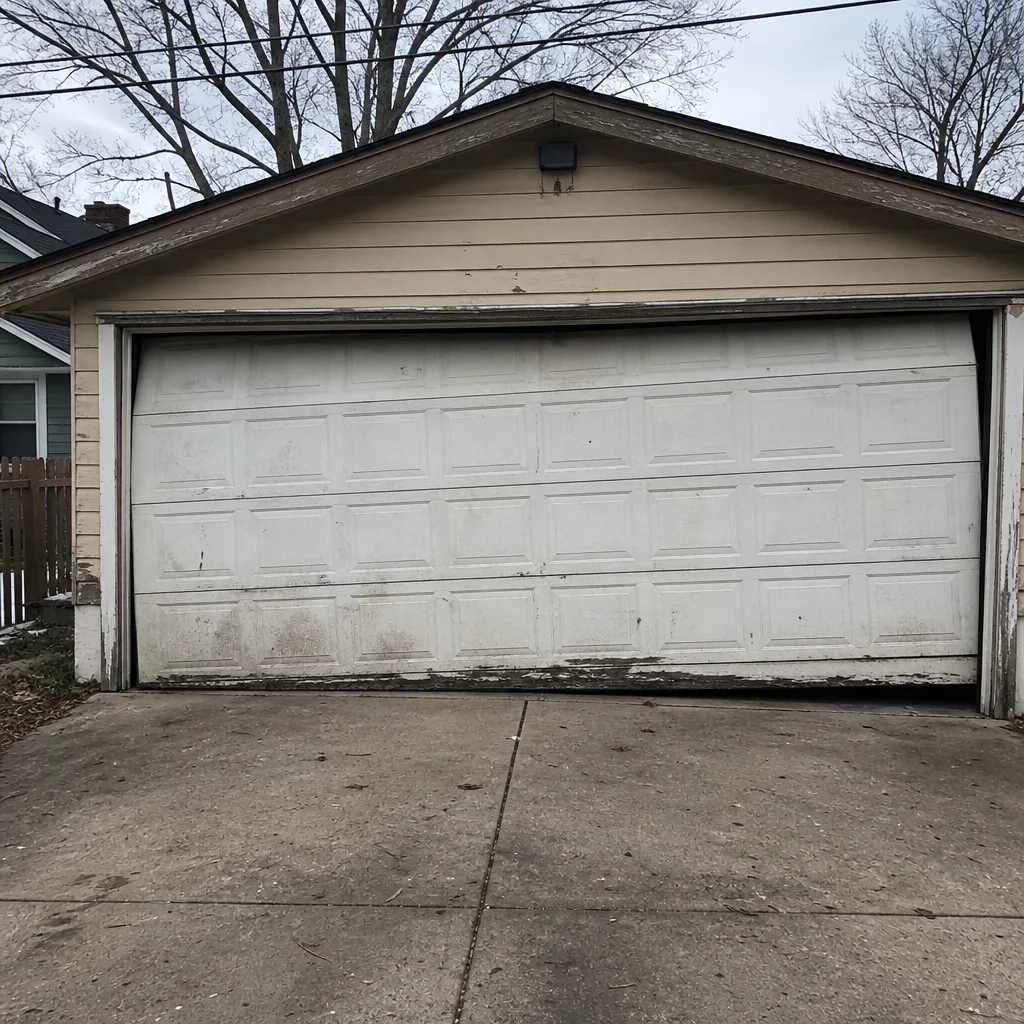 Before
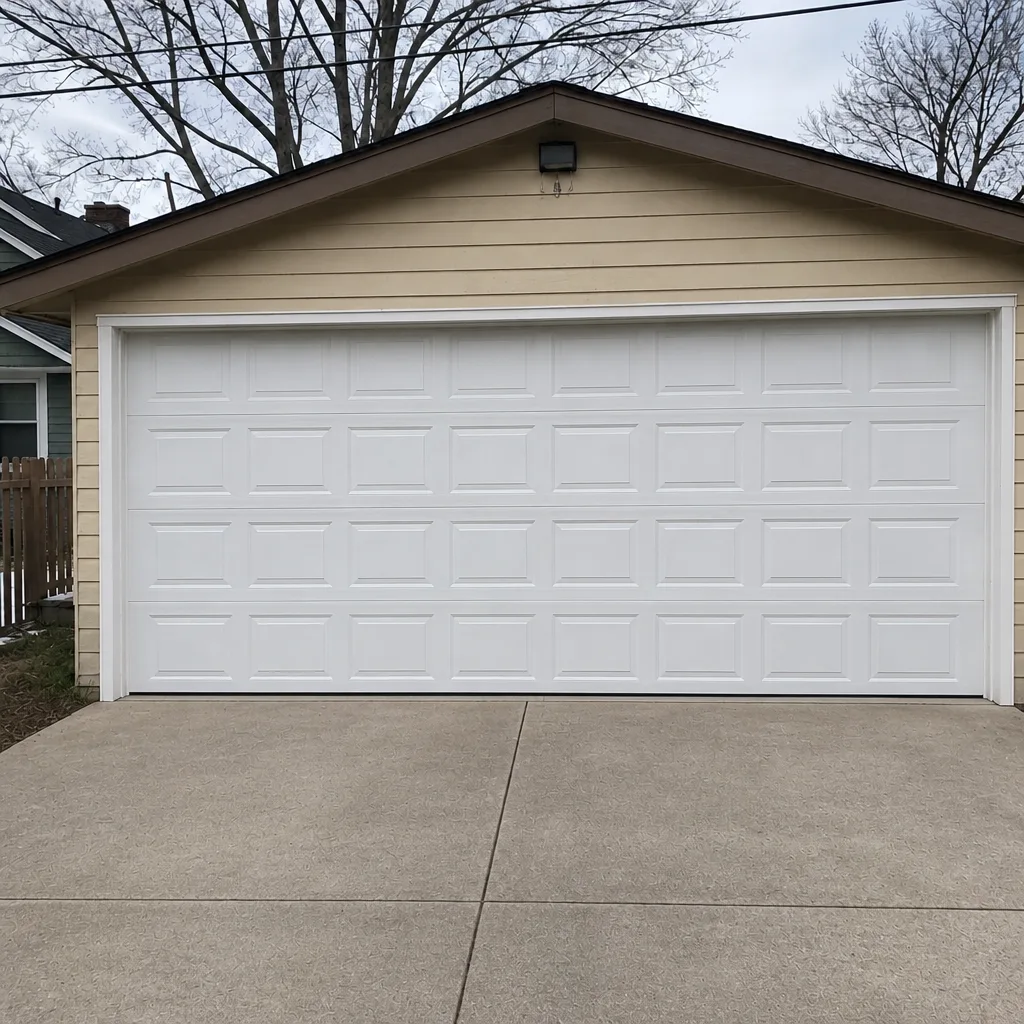 After
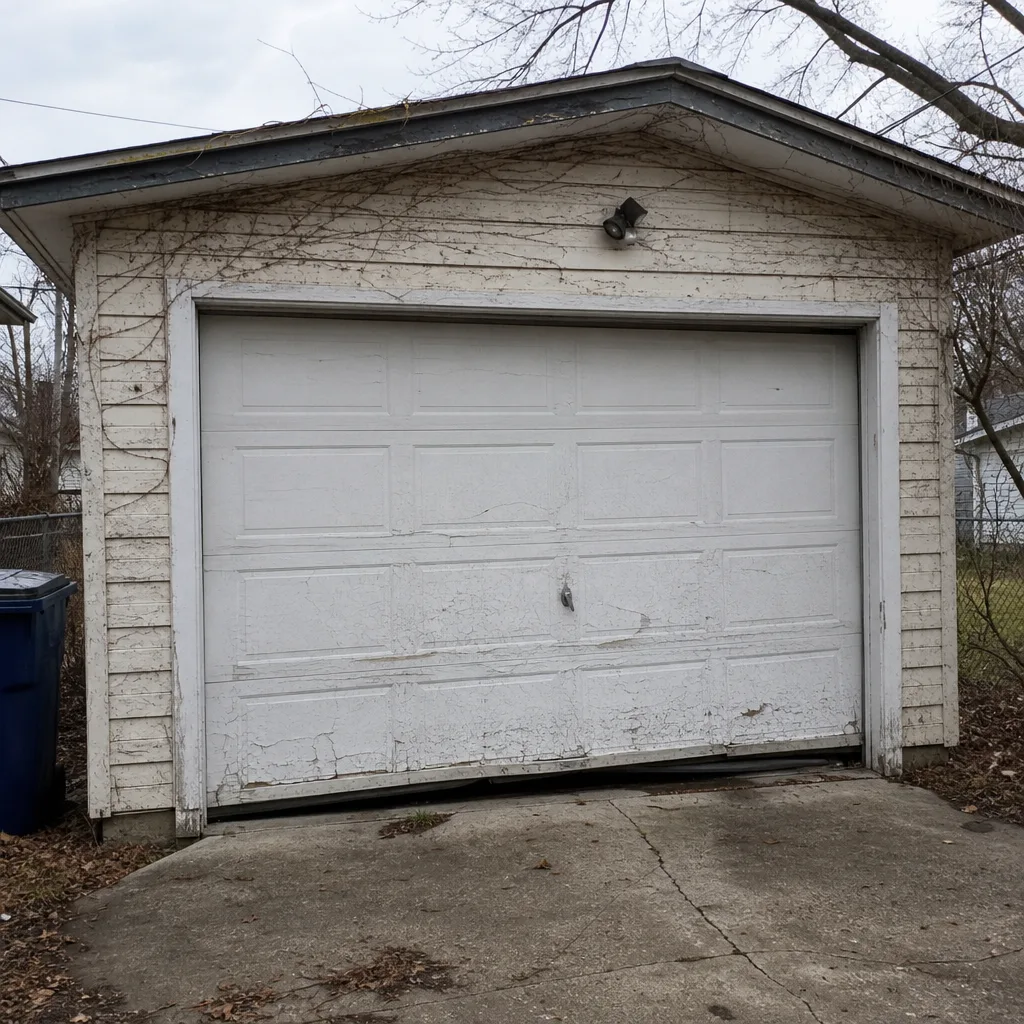 Before
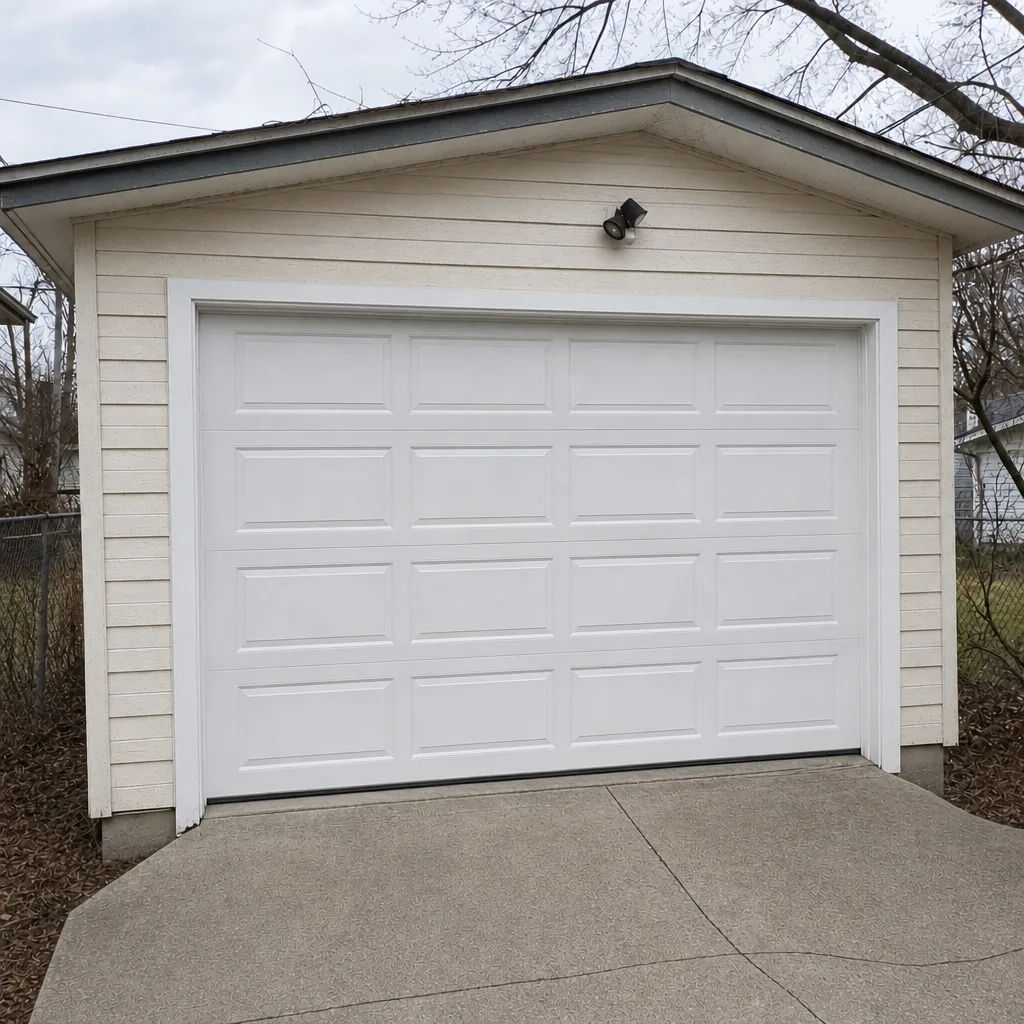 After
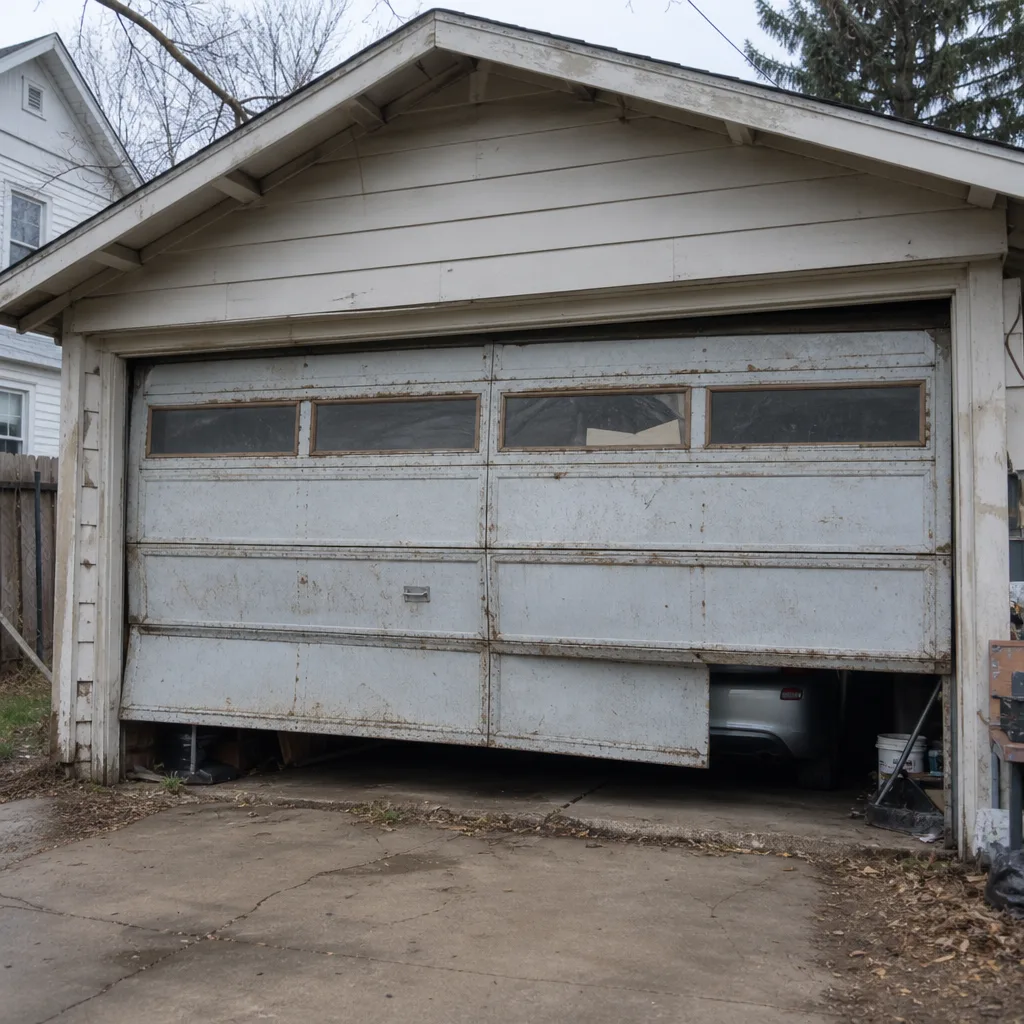 Before
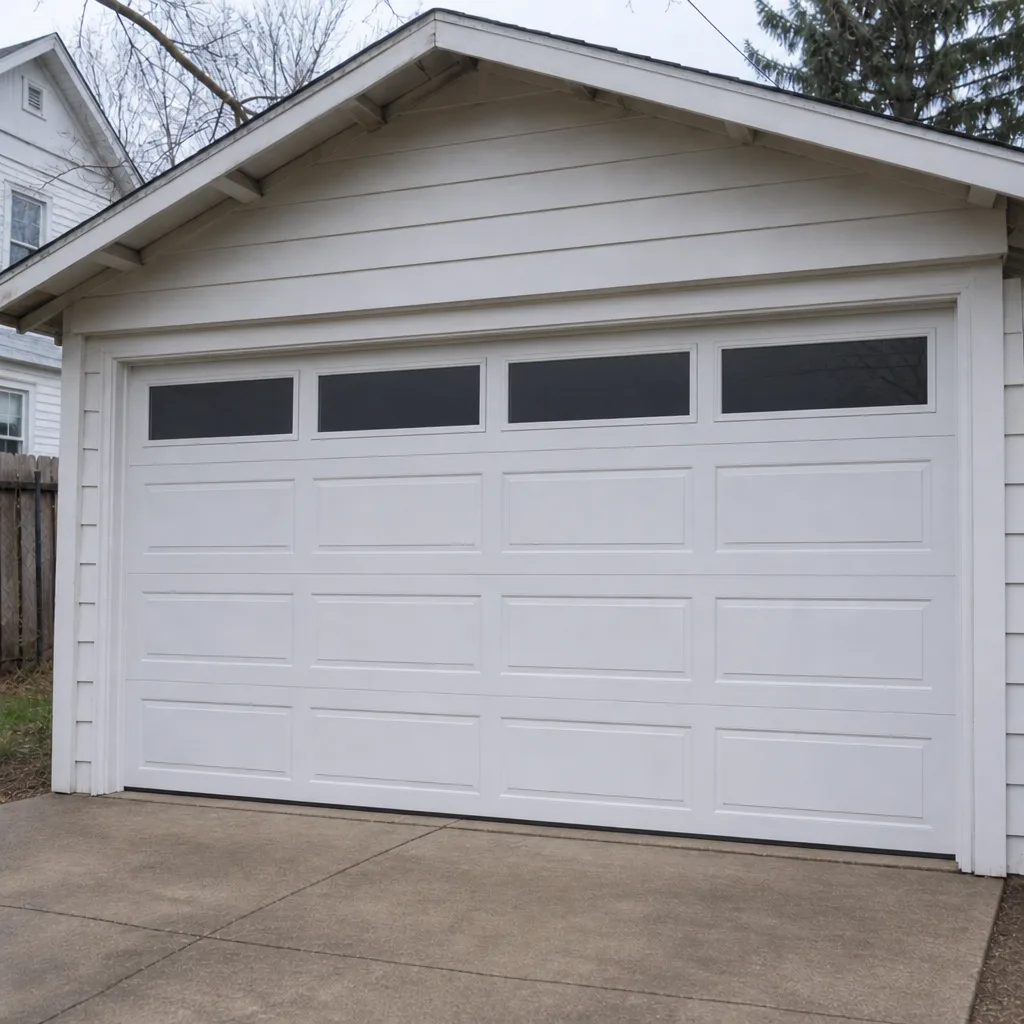 After
Common Mistakes to Avoid
- Using warm-weather grease into the winter. The most common cause of mid-winter opener strain in Powderhorn is a lubricant that stiffens below freezing. Swap to a cold-rated grease before October.
- Skipping the pre-freeze seal test. A five-minute check in October prevents a winter of snow blowing under the door and a torn seal to replace in the cold.
- Lubricating the tracks. Grease on the tracks attracts grit and creates a jam. The rollers need lubricant; the tracks need to be clean and dry.
- Ignoring an out-of-balance door. If the door doesn’t hold position at halfway, the springs need attention. Keeping the opener working against the door shortens its life and masks a bigger problem.
- Attempting spring repair yourself. Torsion springs store enough energy to cause serious injury. This is the one task on the list that should always go to a trained technician.
- Using a generic spring/fall checklist. A schedule that doesn’t account for Powderhorn’s actual seasonal transitions misses the pre-freeze window when the most important tasks need to happen.
- Keeping no records. A homeowner who can’t say when the door was last serviced has to guess at replacement timing, and a buyer’s inspector will notice.
When to Call a Professional
Most of this checklist is safe for a homeowner to do. Some of it isn’t. Call a professional when:
- You see a broken or stretched torsion spring, or the door is stuck in the up or down position
- A cable is frayed, kinked, or off its drum
- The door is out of balance (drops or rises on its own at halfway)
- The opener reverses before reaching the top, or won’t respond to the remote or wall switch at all
- A section of the door is dented, cracked, or separating from the frame
- The bottom seal needs replacing and you’re not comfortable with the door hardware
- You want an annual pre-winter tune-up done thoroughly once, so you can handle the monthly checks yourself
Garage Door Repair Powderhorn offers free estimates in Powderhorn – call (877) 352-5109. We handle garage door repair, opener repair, spring repair, and full installation, and we’re trained on the major brands. One call covers it, from a quick fix to a full replacement.
Frequently Asked Questions
A routine tune-up in Powderhorn typically runs in the low triple digits, while a repair like a spring replacement or a new opener costs more depending on parts. Every estimate is written and the price is agreed before any work starts, so there are no surprises. Call (877) 352-5109 for a free estimate specific to your door.
Lubricate hinges, rollers, and springs once in late summer with a cold-rated lubricant, and again in spring if the door starts sounding dry. The key is using a lubricant that stays workable below freezing, not the white lithium grease many generic checklists recommend.
In most cases, yes. Spring repair is a core service we handle, and because we stock the common spring sizes and are trained on major brands, broken springs are often fixed in a single visit. Call (877) 352-5109 and we’ll tell you the soonest we can be out.
The highest-value task before the first freeze is switching to a cold-rated lubricant on all moving metal parts. It’s the single change that most affects how your door performs through January and February, and it takes about ten minutes.
Watch for slowing ascent, reversing before the top, new grinding noises, or a dimming light when the motor runs. Most of these point to a door that’s out of balance rather than the opener itself, so a balance test is the first check. Call (877) 352-5109 for a free estimate if the problem persists after lubricating and balancing.
We’re trained on 8 major brands, including LiftMaster, Chamberlain, Genie, Clopay, Amarr, Wayne Dalton, Craftsman, and Raynor. Being factory-familiar with the hardware you already own means we diagnose faster and source the right parts on the first visit. Call (877) 352-5109 to schedule.
The Bottom Line
A maintenance checklist built for Powderhorn looks different from a generic one. Cold-rated lubricant, a pre-freeze seal test, monthly winter visual checks, and spring tasks left to a technician – that’s what actually keeps a door working through a -20°F February. Start with the September lubricant swap and the October seal test, keep a simple log, and let a pro handle springs and cables. Everything else you can manage yourself. For a free estimate on anything from a tune-up to a full door replacement, call Garage Door Repair Powderhorn at (877) 352-5109.
Written by the team at Garage Door Repair Powderhorn.