Last updated November 22, 2026
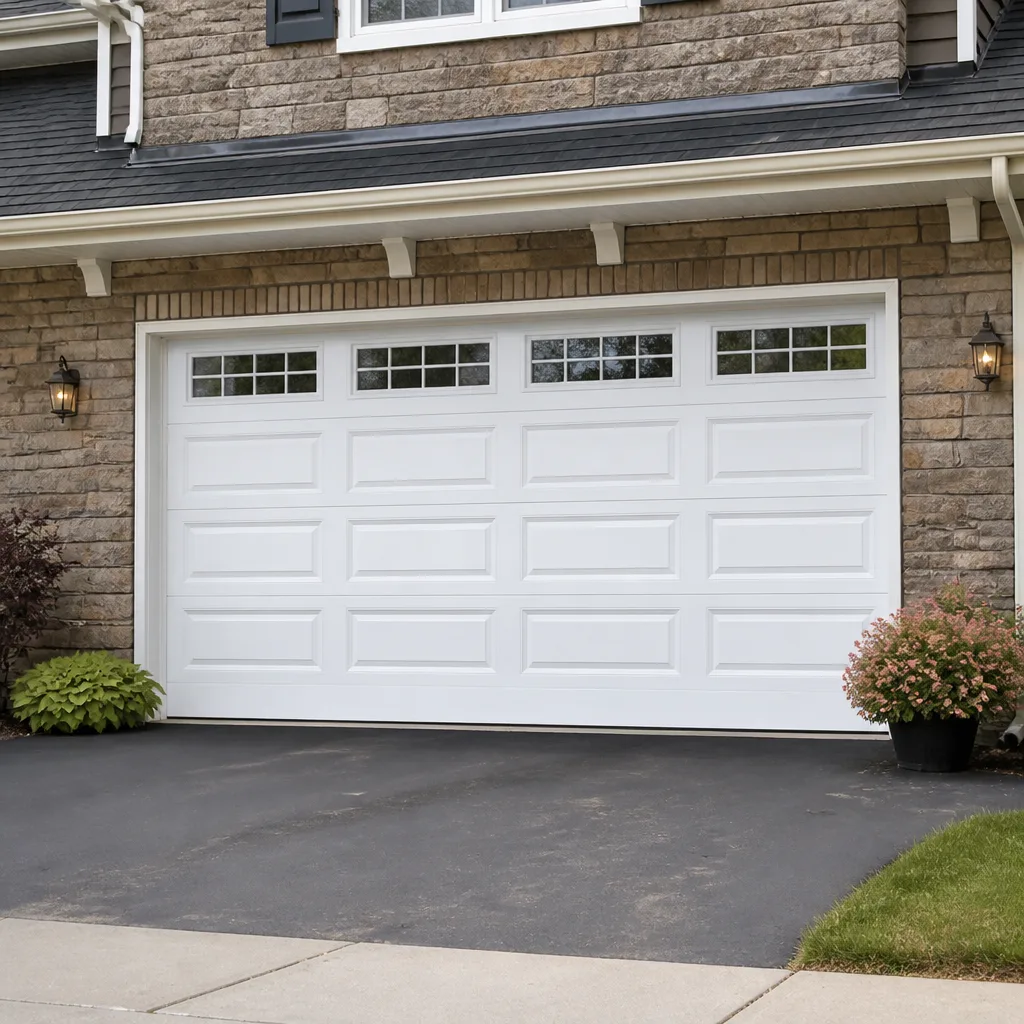 Raised-panel steel
 Carriage house
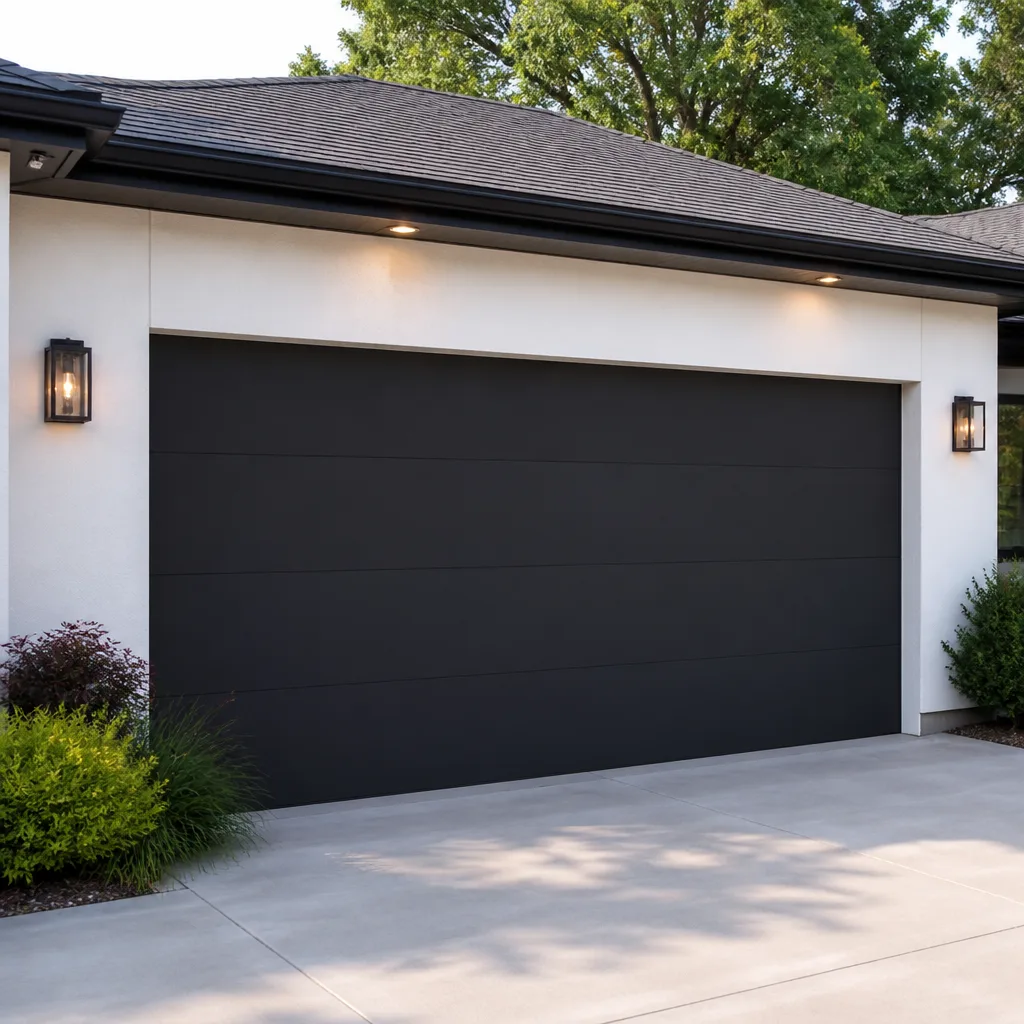 Modern flush
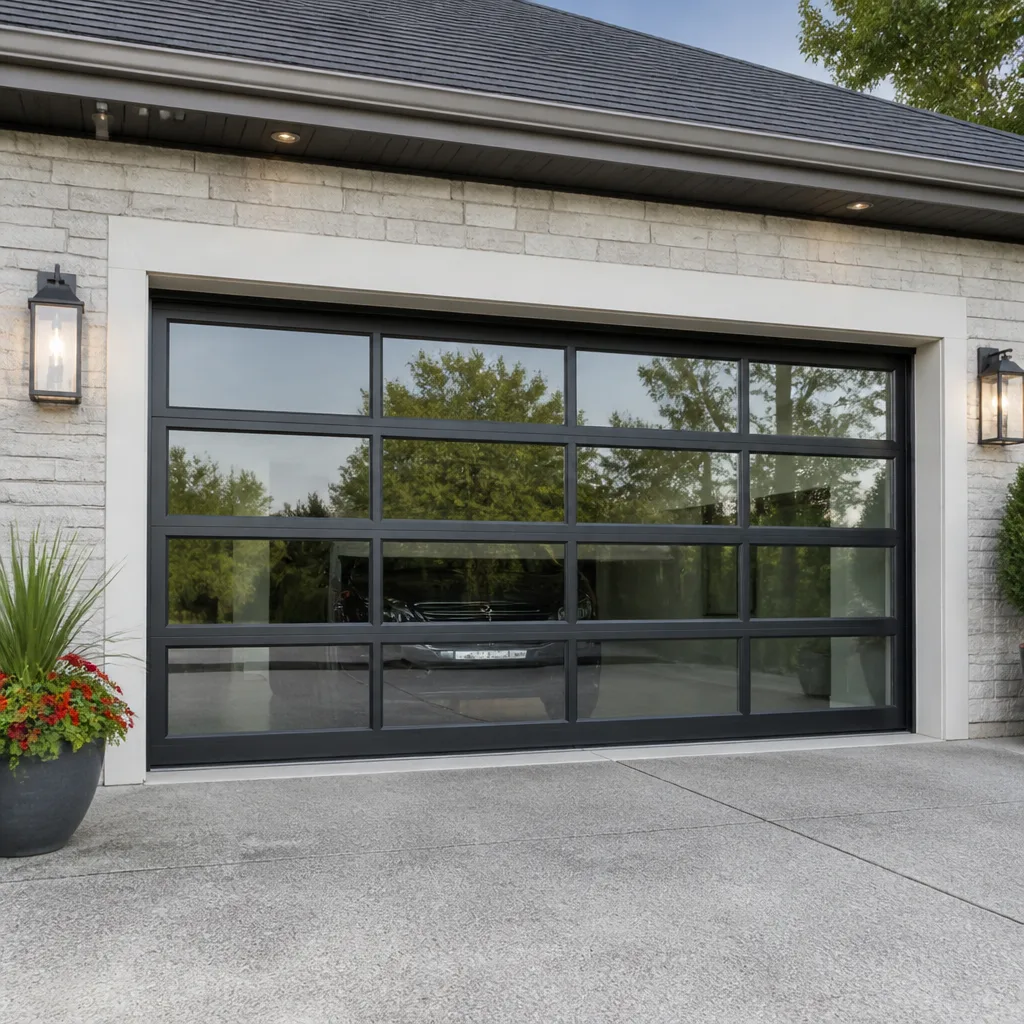 Full-view glass
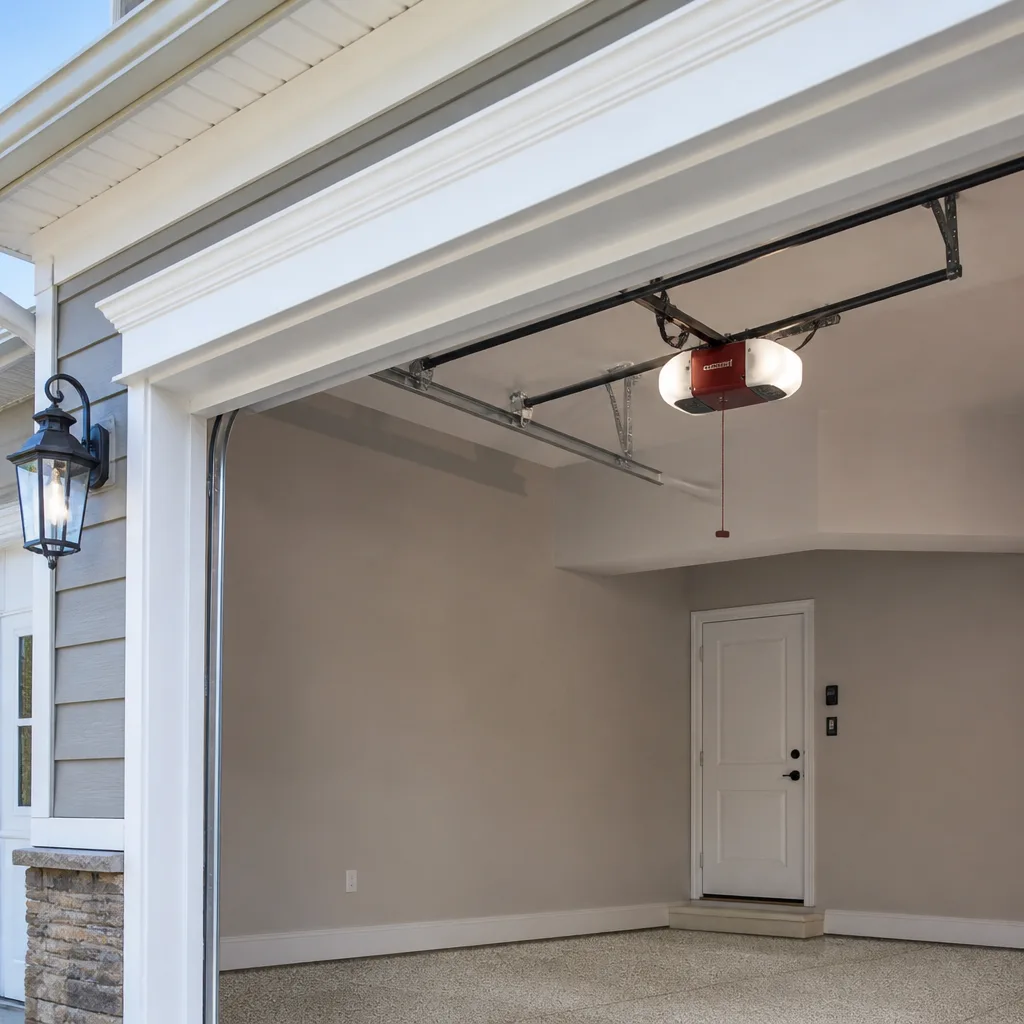 LiftMaster openers
 Chamberlain openers
Full 25-point door and opener safety check with every visit - springs, cables, rollers, tracks, and your LiftMaster or Chamberlain opener included
You get a price before we start. It does not change when the pro arrives.
Get your free estimateDIY vs Professional Garage Door: The Powderhorn Homeowner’s Decision Guide
Most advice on this topic picks a side before it explains anything. You’ll hear “never touch a garage door” from people who want the service call, and “you can fix anything with a YouTube video” from people who’ve never stood next to a wound torsion spring. Both miss the point. The real question isn’t whether you’re handy enough. It’s which specific tasks on your door carry serious injury risk and which are genuinely safe for a motivated homeowner with a Saturday morning and a socket set. This guide draws that line clearly. Replacing weatherstripping, adjusting an opener’s force settings, lubricating rollers – those are yours. Torsion springs, cables under load, and anything involving the track’s structural alignment are not. We’ll show you where the boundary sits, what a botched DIY job actually costs, and how to describe your problem on the phone so you don’t pay for a service call on something you could have handled in twenty minutes. We’re Garage Door Repair Powderhorn, and we’d rather you skip the call when the job doesn’t need us.
Quick Answer
Roughly 70% of routine garage door maintenance and minor repairs are safe for a homeowner to do: weatherstripping, lubrication, safety-eye alignment, opener force and travel adjustments, and visual inspection. Spring replacement, cable work, track realignment, and panel replacement are professional territory because of stored tension, weight, and injury risk. If the task involves releasing or transferring the door’s mechanical tension, call a trained technician. Everything else, read on.
Styles & brands we work with
- Raised-panel steel
- Carriage house
- Modern flush
- Full-view glass
- LiftMaster openers
- Chamberlain openers
Table of Contents
- What’s Safe vs. Not Safe: A Definitive Task List
- Why Torsion Springs and Extension Springs Both Demand a Professional
- The Real Cost of a Botched DIY Repair
- Five Maintenance and Minor Repair Tasks That Are Genuinely DIY-Appropriate
- How to Describe Your Problem Accurately Over the Phone
- Powderhorn Conditions That Affect the DIY Decision
- Opener Adjustments You Can Do Versus Ones You Shouldn’t
- Common Mistakes to Avoid
- When to Call a Professional
- Frequently Asked Questions
What’s Safe vs. Not Safe: A Definitive Task List
The single biggest source of garage door injuries isn’t the door falling. It’s homeowners underestimating stored mechanical energy. A torsion spring under tension holds enough force to break a wrist or cause a serious facial injury, and it can release instantly when a winding bar slips or a winding cone is loosened incorrectly. That’s the boundary we’re drawing: if the task involves touching the spring, cable, or their attachment points, it’s professional. If it involves the door’s surface or the electrical components, it’s usually yours.
Safe for most homeowners:
- Replacing bottom weatherstripping / the bottom seal
- Lubricating hinges, rollers, springs (extension only, from outside), and the track with a proper garage door lubricant
- Aligning or cleaning photo-eye safety sensors
- Adjusting opener force and travel limits (see our dedicated section below)
- Replacing a remote battery or re-pairing a remote
- Tightening bolts and lag screws on the hinges and brackets that aren’t under tension
- Cleaning the panels and touching up paint or stain
- Visual inspection of the door, track, and hardware
Not safe – requires a trained technician:
- Replacing or adjusting torsion springs
- Replacing extension springs or their safety cables
- Replacing lift cables or drums
- Loosening or tightening winding cones or set screws on the torsion bar
- Re-aligning a bent or out-of-track door
- Straightening a bent track that carries the door’s weight
- Replacing or repairing sections of the door itself
- Replacing the opener’s rail, chain, or belt
- Any work where the door is hanging by a single cable or roller
If you’re in Powderhorn and the task isn’t on the “safe” list, the answer is a trained technician. We’d rather you ask than improvise.
Why Torsion Springs and Extension Springs Both Demand a Professional
Homeowners often assume “extension springs are the easy kind” because they’re visible on the sides of the door. That’s backwards. Both kinds store enough energy to injure you badly, and both should be handled by someone who does it for a living.
Torsion springs sit on a horizontal bar above the door. They’re wound tight around that bar and control the door’s weight through cables running down each side. The winding process – adding or removing the tension that holds the door up – is what makes torsion work dangerous. A winding bar can slip out of the cone, the tension releases instantly, and the tool or the cone becomes a projectile. Even with the door closed and no weight on the spring, the spring itself carries stored force. There’s no way to safely “test” a torsion spring by hand.
Extension springs stretch alongside the horizontal track. They release differently: instead of a sudden unwinding, the spring can snap and whip toward whatever’s nearby. That’s why extension springs are required to have a safety cable running through the center. The cable catches a broken spring, but it doesn’t stop the spring from releasing energy in other failure modes. Replacing one requires releasing the door’s tension, which is a controlled version of the same risk.
We’ve seen every brand arrangement you can imagine, from the LiftMaster-compatible openers that are common on Powderhorn’s older homes to the newer Genie setups in renovated garages. The spring system is a separate world from the opener. Brand familiarity on the opener doesn’t make spring work safer for a homeowner; it makes it faster for a technician. Spring work is spring work.
Cables deserve a mention here too. A lift cable under tension is doing the work the spring can’t. A frayed cable is a warning that something else has shifted, and touching it without understanding the load is a way to get hurt. When we’re doing garage door repair on a cable or spring, the technician controls the door’s tension before anything else happens. That’s not caution for its own sake – it’s the job.
The Real Cost of a Botched DIY Repair
A DIY repair that goes wrong rarely costs just the parts. It costs a second parts order, an emergency call, and sometimes repairs to things the first mistake broke. Here’s how that actually breaks down.
The emergency call premium. If a spring lets go while you’re working on it – or if you get the door partially disassembled and can’t close it safely – you’re not calling a scheduled service. You’re calling an emergency line with a door hanging open in a Powderhorn garage. That’s a different price bracket than a planned visit.
Secondary damage. A door that hits the ground uncontrolled can bend the bottom panel, twist a hinge, walk a roller out of its track, or crack the opener’s trolley. What was a spring replacement becomes a spring, cable, and panel repair. The saved DIY cost gets spent twice.
Voided warranties. Newer Clopay and Amarr doors often carry a manufacturer’s warranty that assumes professional installation and maintenance of the spring and cable system. Improper work can void that coverage for the parts that fail later. That’s a real loss, and it doesn’t show up until a year down the road.
The injury cost. This one’s not on a spreadsheet, but it’s the one that matters. Wrist fractures, eye injuries, and lacerations are the most common spring-related injuries, and they happen to careful people doing their best.
Here’s the honest line: if you’re not sure whether the task is safe, it’s not. We’ll come out, look at it, and tell you what’s actually wrong. That’s a free estimate, and it’s cheaper than any of the four things above.
Five Maintenance and Minor Repair Tasks That Are Genuinely DIY-Appropriate
This is the section the “always hire a pro” advice never gives you. These are the jobs that are well within reach of a homeowner with basic tools, and none of them require releasing the door’s tension. Here’s the list with step-by-step notes.
1. Replacing the bottom weatherstripping
- With the door closed, look at how the current seal is attached: most are held in a track or in a retainer at the bottom of the bottom panel.
- Grab a fresh seal at your hardware store that matches the retainer profile (or measure first).
- Slide the old one out or pull the retainer, then slide the new seal in, starting from one end and working across.
- Check the door’s down-force stop by watching that it seats evenly against the floor. If it doesn’t, you may have a travel limit issue (see section below).
2. Lubricating the moving parts
- Get a garage door-specific lubricant (white lithium spray works; so do dedicated garage door lubes).
- With the door closed, spray each hinge, roller stem, and the ball of the track where the roller rides.
- Open and close the door slowly to work the lubricant in, then repeat. Avoid spraying the spring itself unless you can reach it safely from outside with the door shut.
A quick note: a properly lubricated door is quieter and easier on the opener. That’s not maintenance for the door’s sake – it’s life extension for the opener motor.
3. Aligning the photo-eye safety sensors
- Look at the two sensors at the bottom of each track. Each should have a solid indicator light. A blinking light means the sensor isn’t seeing its partner.
- Wipe the lens. Dust and cobwebs trigger more opener “close failures” than anything else.
- If the light is still blinking, gently bend the mounting bracket so the two sensors point at each other.
- Test by passing an object through the beam with the door closing – the door should reverse.
4. Replacing a remote battery or re-pairing a remote
This one is genuinely a twenty-minute job, and it’s where a lot of service calls come from. Open the remote, match the battery type (usually a coin cell), and if the remote still doesn’t work, re-pair it using the opener’s learn button per the manual. For LiftMaster and Chamberlain units, this is usually a single button press and a remote press. Genie remotes vary; check the manual. If you’ve lost the manual, most are online.
5. Tightening loose bolts on the door and rails
With the door closed, go around the hinges, brackets, and the mounting points for the track rails. A loose lag screw at the top can make the whole door wobble. Snug them down. Don’t touch the ones on the torsion bar or the cable drums; those are load-bearing and not a DIY target.
For a longer list of these tasks across the different systems, our resource on Garage Door Repair Powderhorn has the reference. The tasks above are the ones worth doing yourself this month.
How to Describe Your Problem Accurately Over the Phone
The difference between a scheduled service call and a wasted trip is often how well the symptom gets described on the phone. A good technician can pre-diagnose most problems if you can answer four questions clearly. Here’s what we ask, and how to give a useful answer.
- What happened when it stopped working? Was there a loud noise (bang, snap), did the door stop mid-travel, or did it just stop responding? “It made a bang and now the door won’t lift” points straight at a spring. “It hums but doesn’t move” points at the opener’s capacitor, gear, or a stripped trolley. Those are different jobs.
- Where is the door stuck? Open, closed, halfway up? A door stuck halfway up is a safety concern and possibly a garage door opener repair situation if the motor is the only thing holding it. A door stuck closed is usually a spring or cable.
- What kind of door and opener do you have? Sectional or one-piece? Torsion or extension springs? If you can peek at the opener, the brand (Chamberlain, Genie, LiftMaster, Craftsman) and the model number on the label will help us know if we’re dealing with a current unit or an older one. There’s no need to know these off the top of your head – look before you call.
- What have you already tried? Replaced a battery? Reset the opener? Pulled the manual release? Being honest here saves time. If you’ve already disconnected the door from the opener and it stays halfway up, that tells us the door’s balance is off, not the opener.
If you can answer those four questions, we can usually tell you whether it’s a DIY job, a scheduled service, or an emergency. We’d rather steer you off the call than charge you for it. For anything that sounds like a spring or cable, we’ll be on the way. For a remote battery, we’ll tell you what to buy.
Powderhorn Conditions That Affect the DIY Decision
Powderhorn’s housing stock and weather put a particular kind of wear on garage doors, and that changes which tasks land in the DIY column. The neighborhood has plenty of older homes with original or partially updated garages, and the seasonal swing from cold winters to warm, humid summers cycles the door’s metal and seals hard. That’s the pattern we build our advice around.
Winter-to-spring transitions. The freeze-thaw cycle is brutal on bottom seals. A seal that cracked in the cold lets meltwater and grit into the track, which is the beginning of a roller problem. Replacing weatherstripping in the fall is your best defense, and it’s a DIY task. The section above covers how.
Aging springs. Springs weaken with every cycle, and a door that opens and closes twice a day in a Powderhorn household goes through thousands of cycles a year. If your door is getting harder to lift by hand or the opener is working noticeably harder, that’s a balance check, not a DIY adjustment. Springs that fail under load are the main reason emergency service exists in this trade.
Opener age and brand mix. The Powderhorn opener landscape is a mix: Chamberlain and Genie units are common, and older LiftMaster and Craftsman installs still show up, which is why we work on those brands every week. If your opener is struggling, look at the troubleshooting section below before booking a call.
Garage-as-entry-point homes. A lot of Powderhorn homes use the garage as the main entry, which means a stuck door is a front-door problem. That raises the stakes on any “just leave it and deal with it later” decision. If the door is the way you get into the house, treat any spring or cable symptom as an emergency.
None of this makes Powderhorn garages unusual. It just means the local wear pattern is predictable, and matching your maintenance to the seasons is the smart play.
Opener Adjustments You Can Do Versus Ones You Shouldn’t
Opener settings are one of the safest DIY zones on the whole door, but only for the settings that don’t touch the mechanical load. Here’s how to sort them.
Safe to adjust yourself:
- Force limits. Newer openers (LiftMaster, Chamberlain, some Genie models) have a dial or a menu setting for open and close force. If the door stops short on the way down, a slight increase on the close-force setting is often the fix. Don’t push it far – the force setting is a safety limit, not a power boost. Increase it one notch at a time and test.
- Travel limits. The up and down stop points are adjustable on most openers. If the door doesn’t fully close or opens too far, this is the setting to touch. Follow the manual’s procedure – it’s usually a set button and a screwdriver or a menu button garage door installation instructions also cover on newer units.
- Safety reverse test. With the door closing, place a 2×4 flat on the ground under the door. The door should reverse on contact. If it doesn’t, the force setting is too high or the opener needs a technician.
Not for DIY:
- Replacing the opener’s drive belt or chain
- Replacing the opener’s gears, capacitor, or logic board
- Replacing the rail or trolley
- Any opener work on a unit where the door itself is unbalanced
If the door is unbalanced, no force setting will fix it permanently – it’ll just mask the symptom until something fails. When we check an opener in Powderhorn, we balance the door first, then set the force. The other order is a callback waiting to happen.
Common Mistakes to Avoid
- Releasing the manual release on a door that’s not in a safe position. If the door is partway up and you pull the red cord, the door’s balance takes over and gravity wins. Only pull it with the door fully closed and the spring tension accounted for.
- Using WD-40 on the track and rollers. It’s a solvent and light oil, not a lubricant built for the load, and it attracts grit. Use a garage door lubricant.
- Increasing the opener’s force setting to compensate for a sticky door. In Powderhorn’s freeze-thaw cycle, a sticky door is usually a seal or roller problem. Force settings mask it and put stress on the opener.
- Assuming the brand on the door and the brand on the opener match. Plenty of Powderhorn homes have a Clopay or Amarr door with a different-brand opener installed later. Knowing both brands matters for parts.
- Trying to “help” a stuck door by lifting it by hand while the opener is engaged. That’s how trolleys strip and how people get pulled into the mechanism. Disconnect and call.
- Buying a spring at the hardware store and installing it without matching the wire gauge, inside diameter, and wind direction. A mismatched spring will work for a while, then fail under load.
- Skipping the annual balance test. With the door disconnected, it should hold itself at any point in travel. If it drifts, the springs are taking an uneven load and something needs looking at.
When to Call a Professional
Call us when the task involves stored tension, weight, or a door that’s already unsafe to operate. That includes any spring or cable symptom, a door off its track, a door that won’t stay open, a broken panel, and any opener fault on a door that isn’t balanced. Also call when you’re not sure: we’d rather do a free estimate on a five-minute fix than have you dive into something that needs a winding bar. Our technicians have up to 15 years of experience on spring, cable, and opener systems, and we’re trained on the major brands including Chamberlain, Genie, Clopay, and Amarr, so diagnostics are fast. Garage Door Repair Powderhorn offers free estimates in Powderhorn – call (877) 352-5109. Emergency service is available, and it’s a genuine part of what we do, not a pitch.
Frequently Asked Questions
No. Torsion and extension springs both store enough energy to cause serious injury, and releasing or transferring that tension is a trained-technician job. The tools, techniques, and understanding of how the spring interacts with the door’s weight all matter, and a mistake can be instant. Call a professional for any spring work.
Weatherstripping, lubrication, photo-eye alignment, remote pairing and battery replacement, tightening loose hardware, and adjusting opener force and travel limits are all safe for a homeowner. These tasks don’t involve releasing the door’s tension. Anything that does – springs, cables, drums, track realignment – should go to a technician.
Pull the manual release and lift the door by hand with the opener disconnected. If the door lifts easily and holds its position, the door’s balance is fine and the problem is the opener. If it’s heavy, won’t stay up, or feels wrong, the door’s spring or balance system needs attention. That second scenario requires a technician.
Yes, for the safe tasks listed above. Replacing weatherstripping or a remote battery is a fraction of a service call and takes minutes. For anything spring or cable-related, DIY is more expensive the moment something goes wrong: emergency rates, secondary damage, and potential warranty issues add up fast. The written estimate before any work starts is the number we stand by.
The most common cause is a misaligned or dirty photo-eye sensor, which is a DIY fix – look for a blinking light on the sensor lens. If the sensors look fine and the door reverses a few inches off the floor, check the travel limit and force settings. If it’s still short after those checks, the door may be binding on the track, which needs a technician to diagnose safely.
The local professionals we connect you with are licensed and insured as their state and city require. We can work with your insurer if a repair connects to a claim. Our technicians have up to 15 years of experience and are trained across the major brands, including LiftMaster, Chamberlain, Genie, Clopay, Amarr, Wayne Dalton, Craftsman, and Raynor. Call (877) 352-5109 for a free estimate.
The Bottom Line
The DIY vs. professional line on a garage door isn’t about skill. It’s about stored energy. If a task involves the spring, cable, or the door’s weight, it belongs to a trained technician, full stop. If it involves the seal, the sensors, the settings, or the remote, it belongs to you, and no service call should convince you otherwise. Powderhorn’s seasonal wear pattern makes your best investment a fall weatherstrip replacement and a spring balance check, both of which are easy to schedule and one of which you can do yourself. When a spring lets go or a door comes off the track, that’s our line to cross. We’d rather you call early than improvise. Our team is here to help, and the estimate is free.
Written by the team at Garage Door Repair Powderhorn.
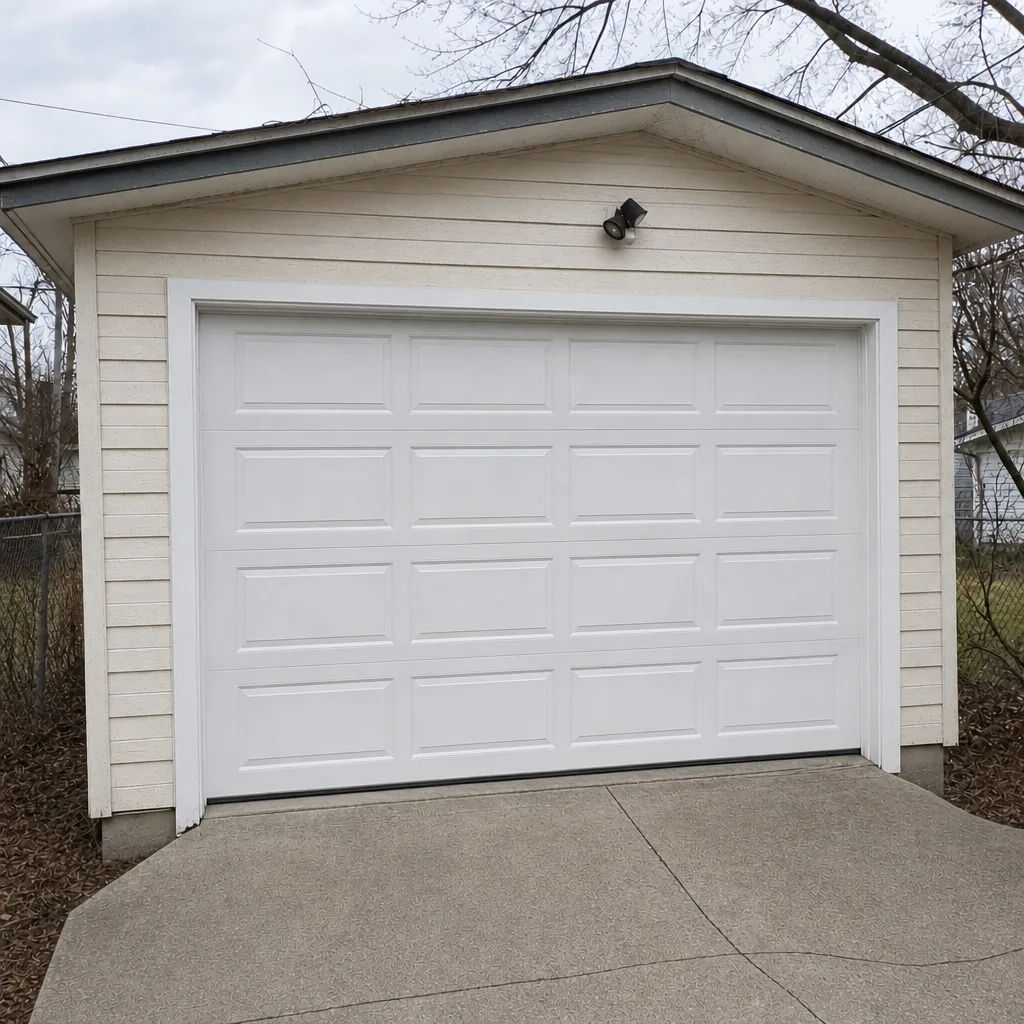
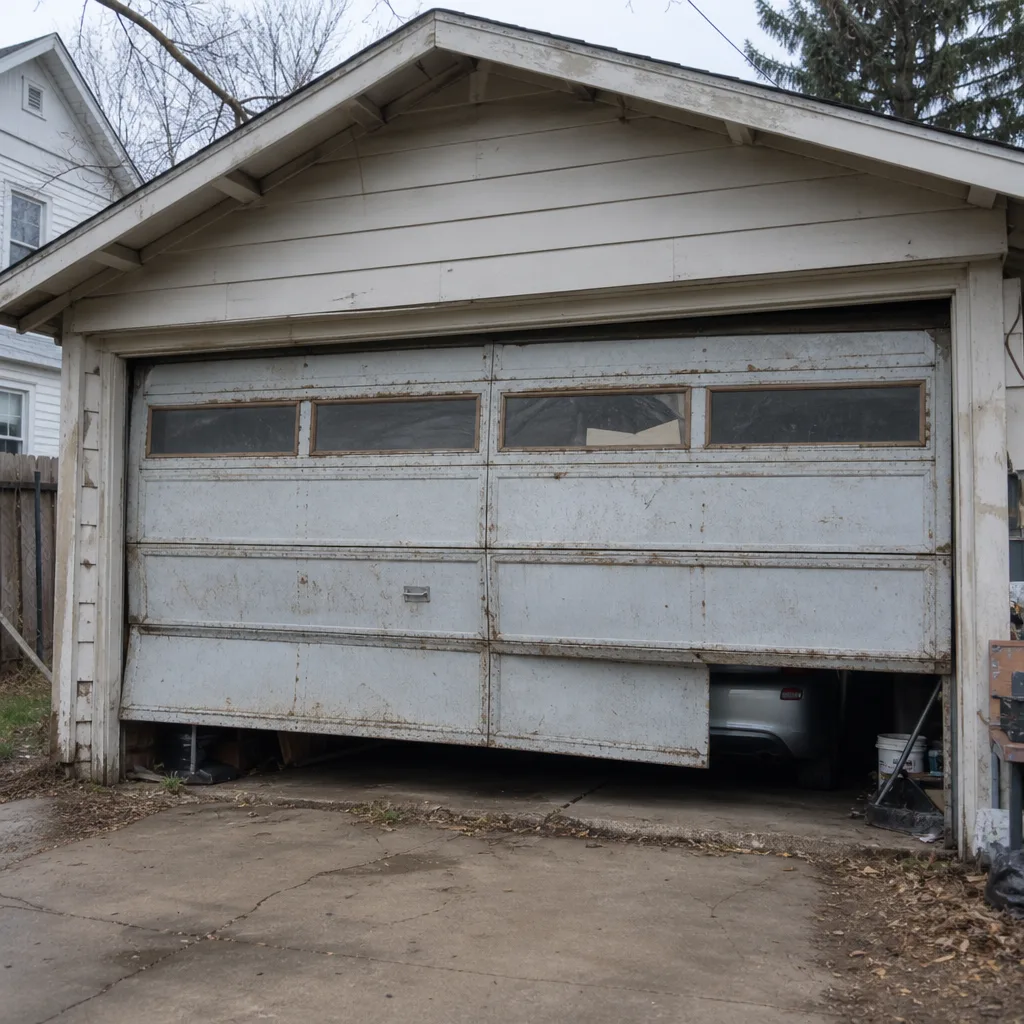
See the difference
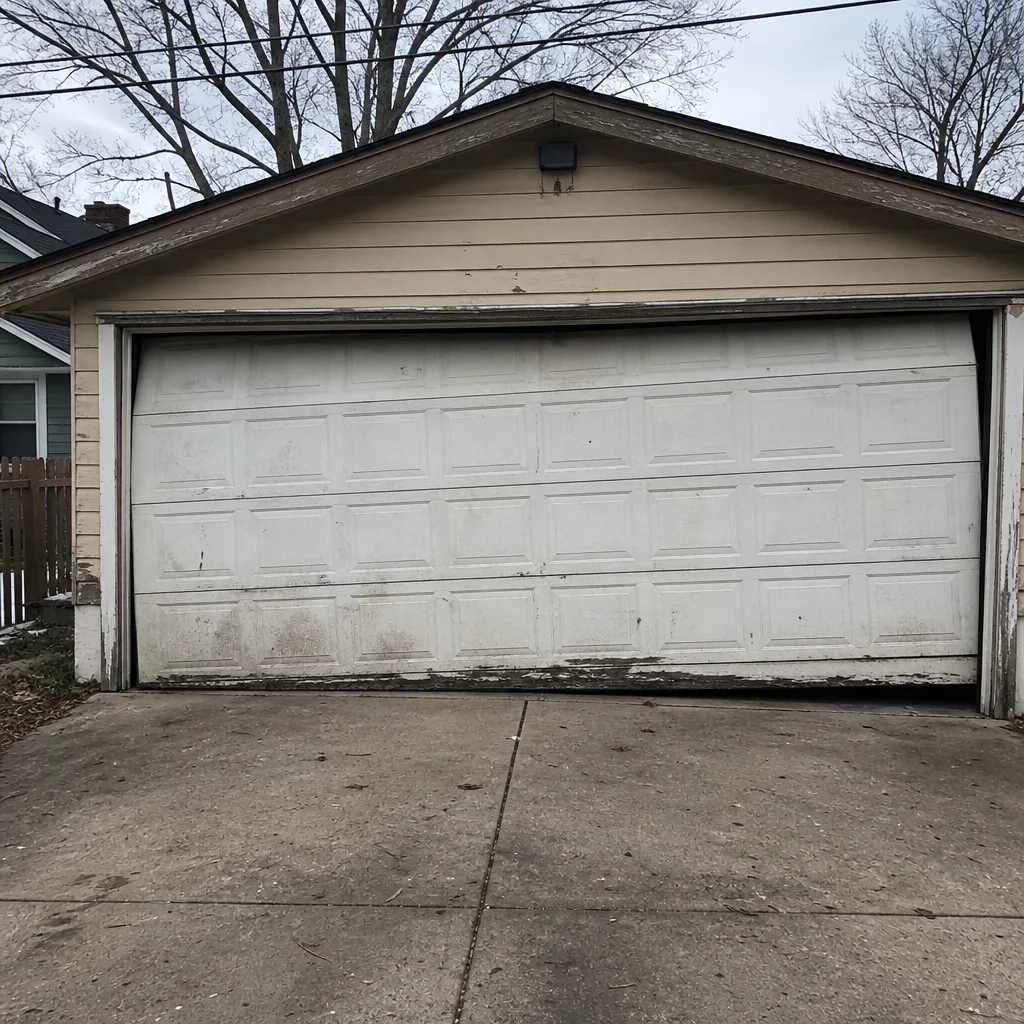 Before
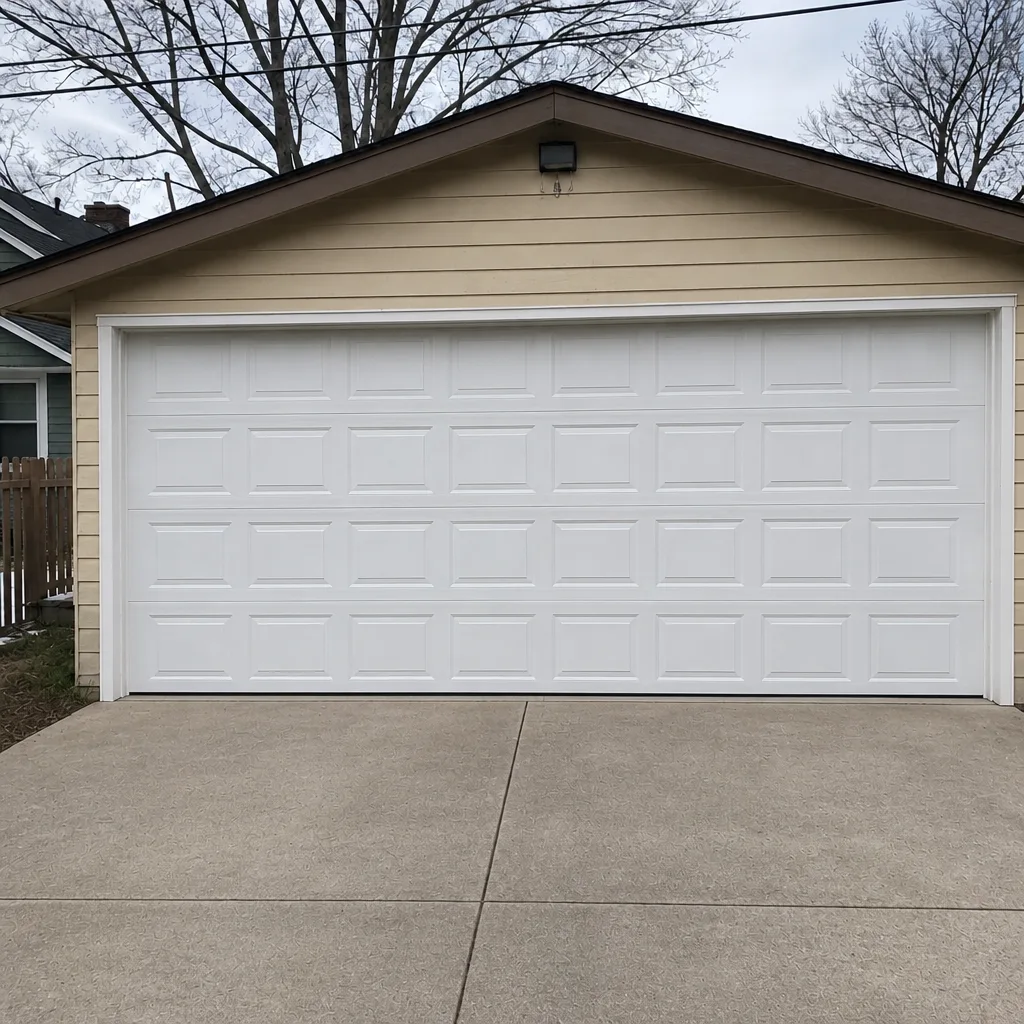 After
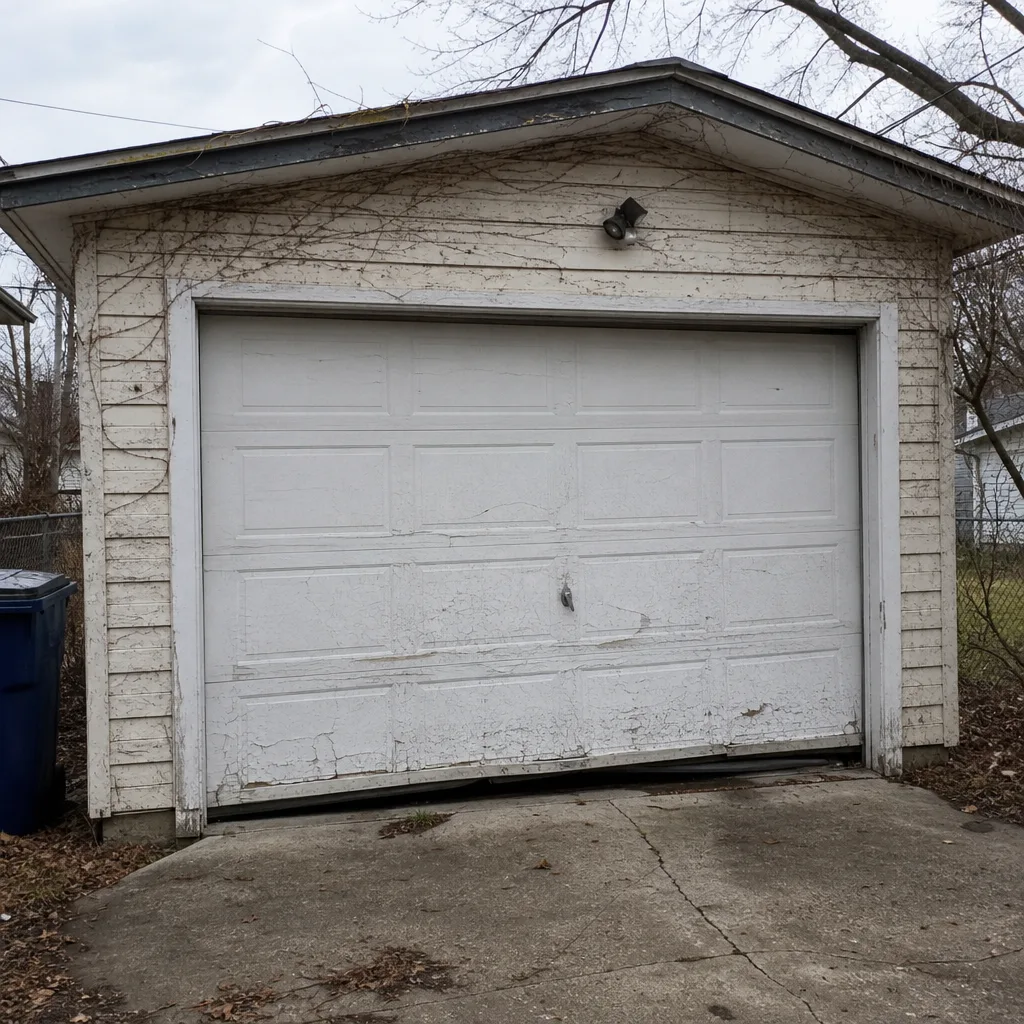 Before
 After
 Before
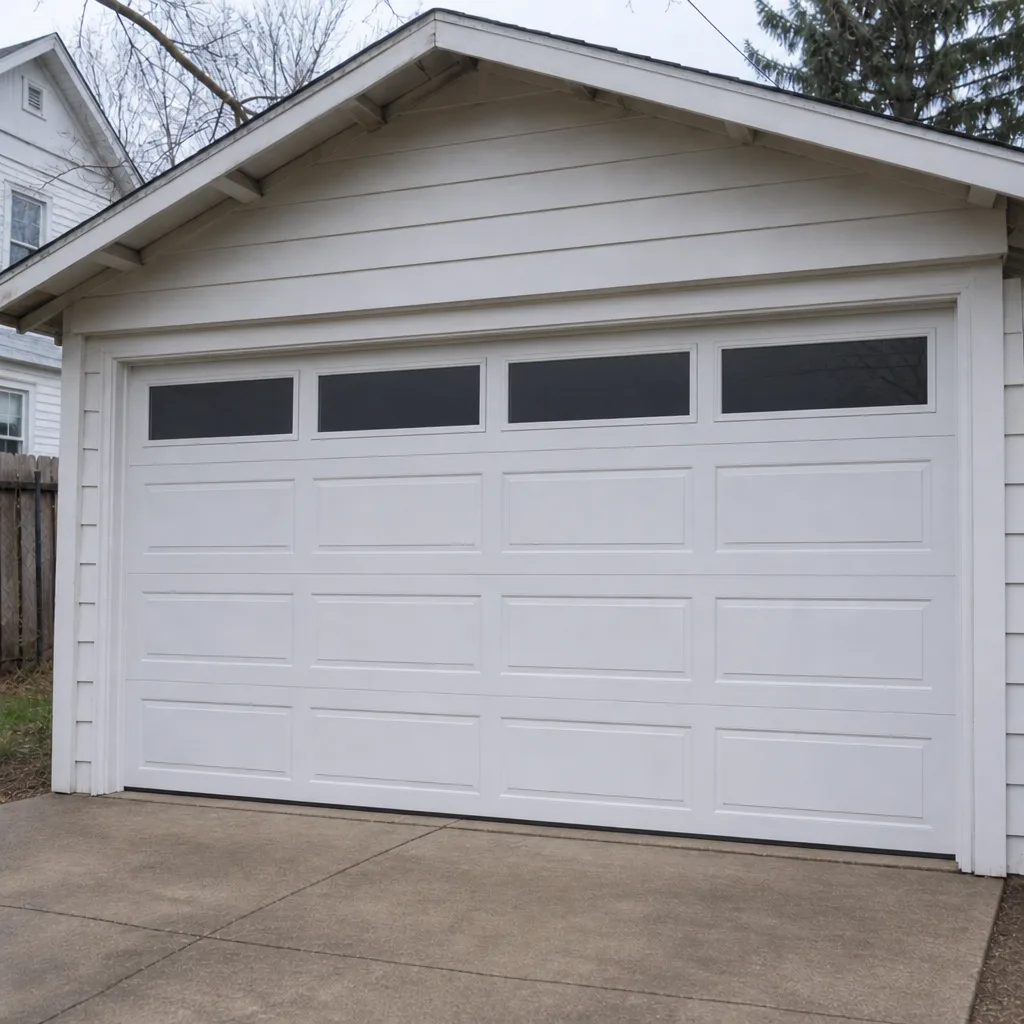 After