Last updated November 22, 2026
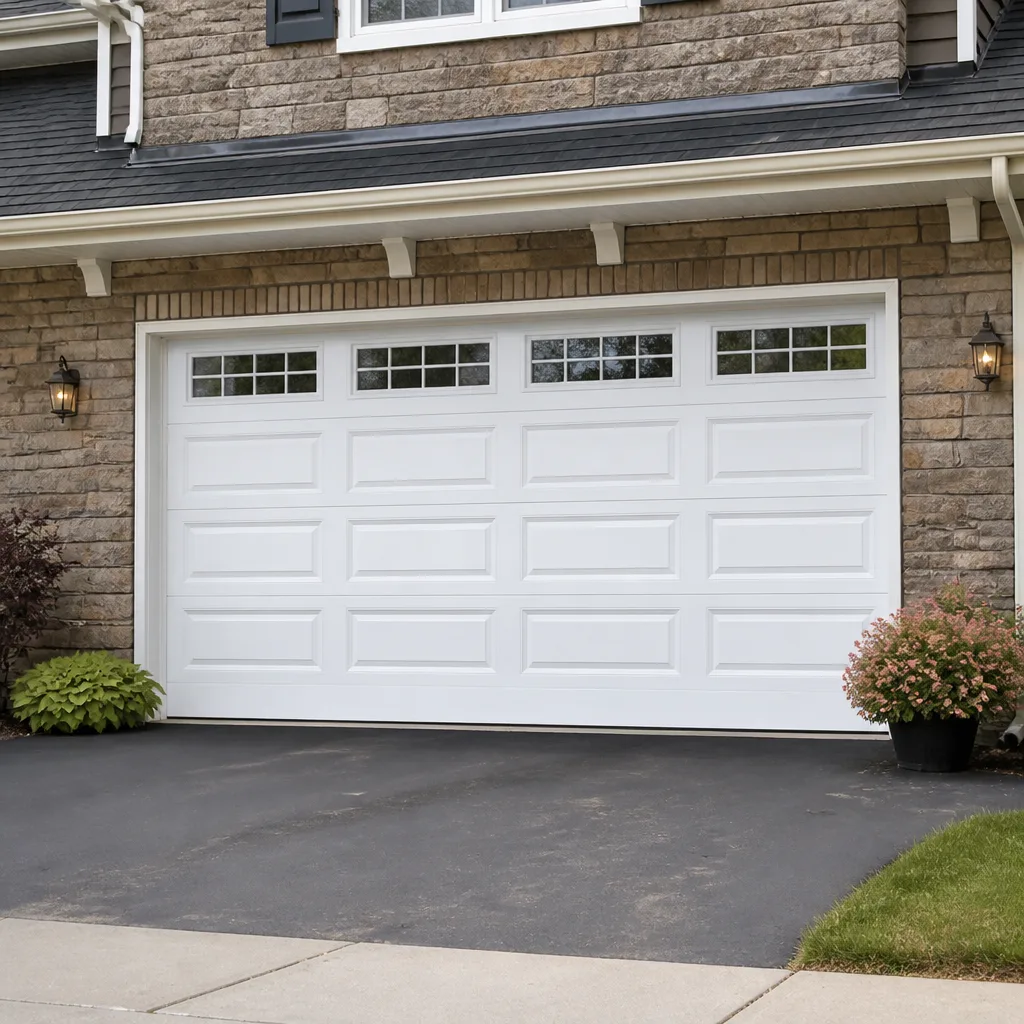 Raised-panel steel
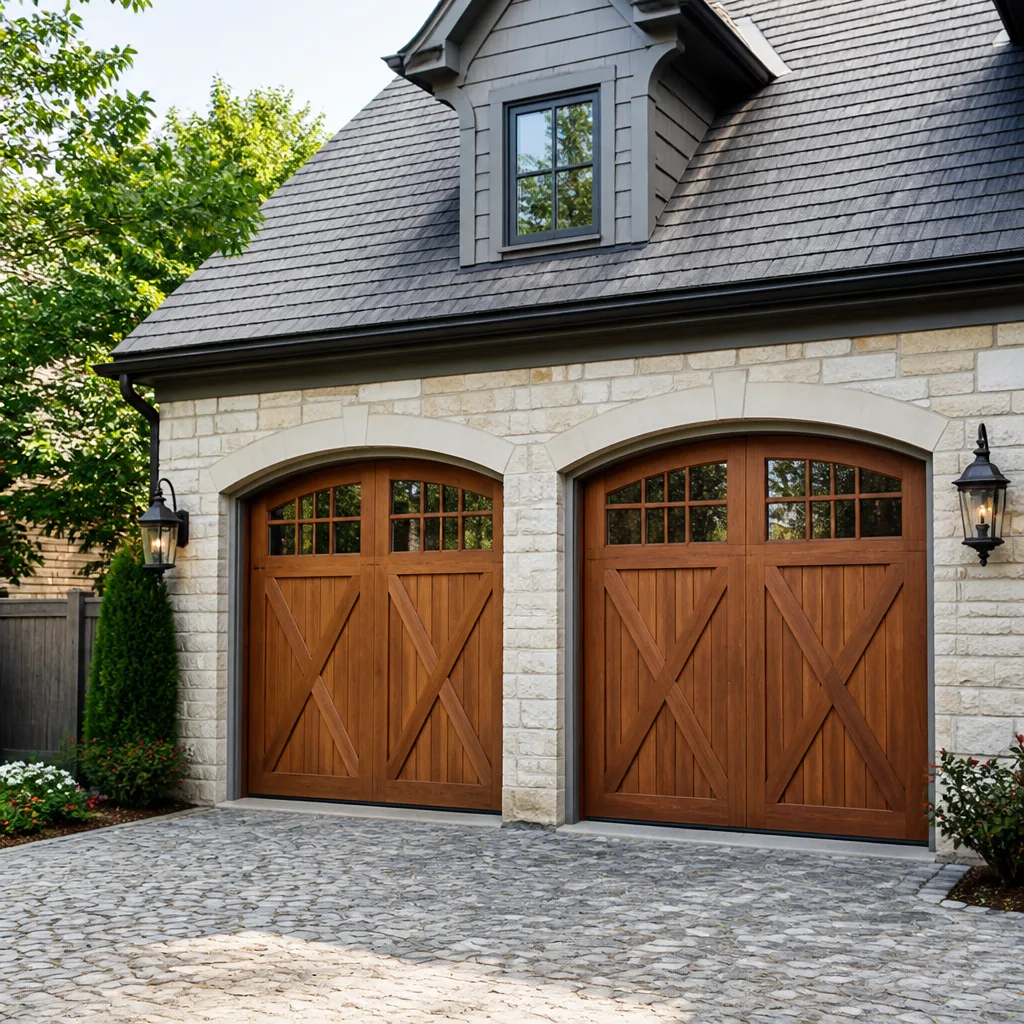 Carriage house
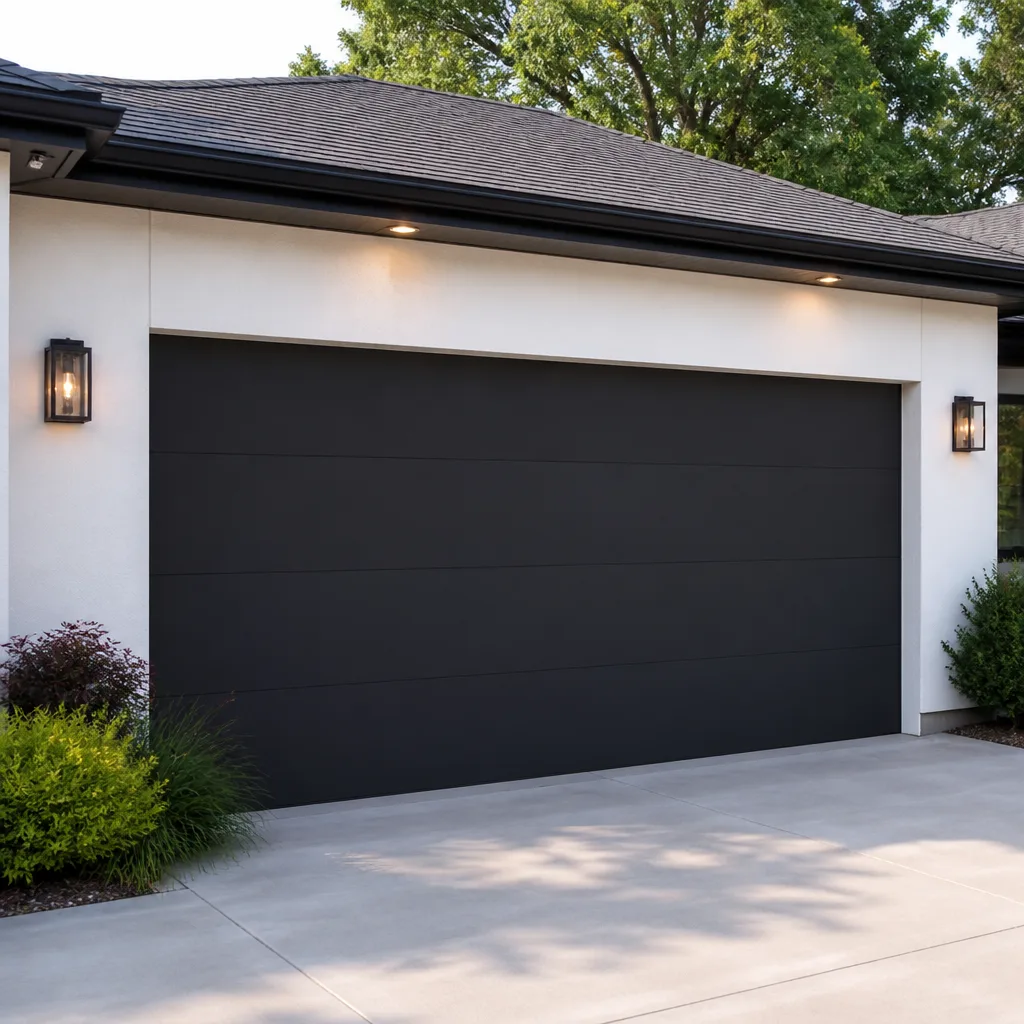 Modern flush
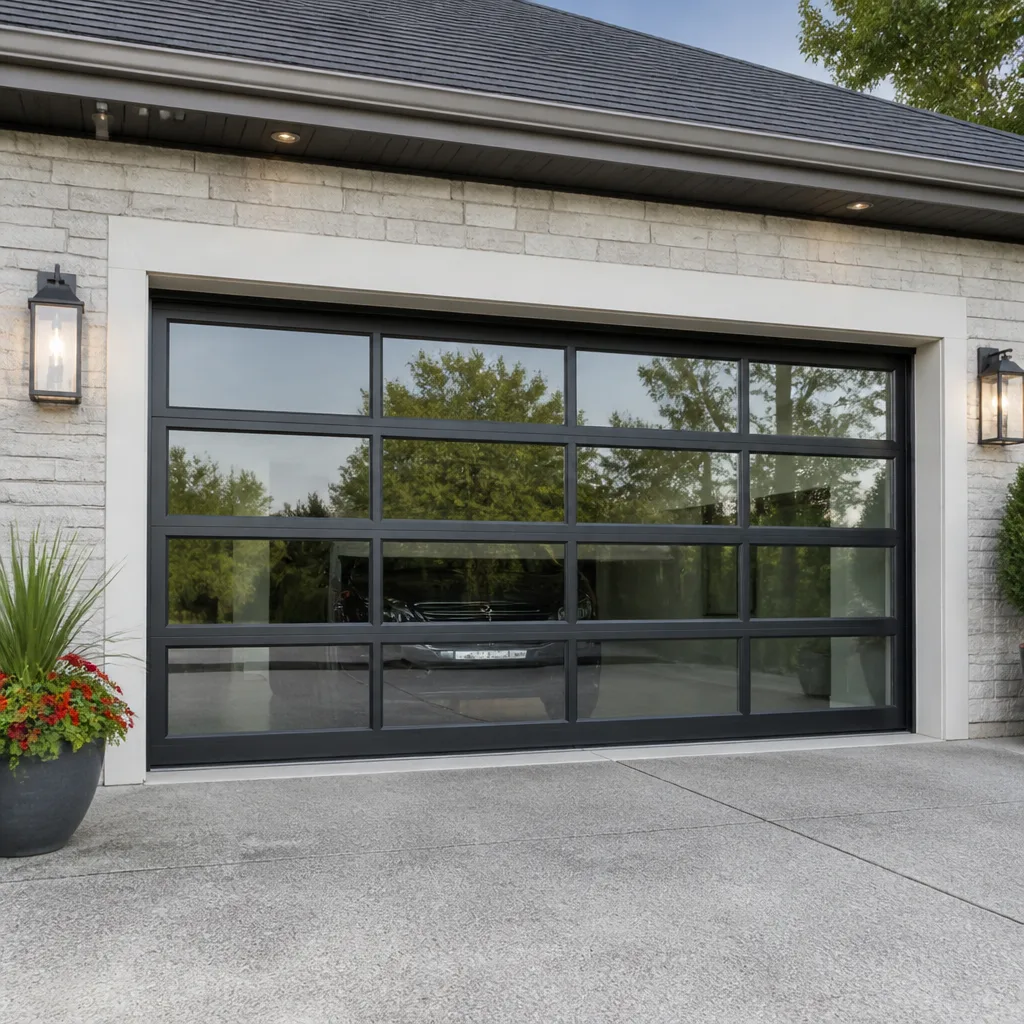 Full-view glass
 LiftMaster openers
 Chamberlain openers
Full 25-point door and opener safety check with every visit - springs, cables, rollers, tracks, and your LiftMaster or Chamberlain opener included
You get a price before we start. It does not change when the pro arrives.
Get your free estimateGarage Door Permits, Codes & Inspections in Powderhorn, MN: What You Need to Know
Here’s the part that surprises most people: in Minneapolis, swapping out a garage door can cross the line from “ordinary repair” into “structural alteration,” and that’s where a permit enters the picture. Homeowners tend to assume that because they’re the ones buying the door, they’re the ones who should worry about paperwork. Often it’s the other way around. The wrong answer sits quietly in your file until a buyer’s inspector finds it. This guide walks through when a garage door job in Powderhorn needs a permit and when it doesn’t, what the inspection actually looks at, how the Minneapolis Residential Code overlaps with Hennepin County requirements for detached garages, and the records worth keeping for resale and insurance.
Quick Answer
In Minneapolis, a like-for-like garage door replacement (same size opening, same tracks and hardware configuration) usually does not require a permit, while a job that changes the size of the opening, alters the garage structure, or adds new framing generally does require one through the city’s building department. A straight spring, cable, roller, or opener repair never needs a permit. What ties all of it together is the paperwork: keep the door spec sheet, any inspection sign-off, and your contractor’s written estimate on file, because they’re what a buyer’s inspector and your insurer will ask for.
If you’re unsure which category your job falls into, call (877) 352-5109 for a free estimate and we’ll tell you plainly whether your work needs a permit before anything gets ordered.
Styles & brands we work with
- Raised-panel steel
- Carriage house
- Modern flush
- Full-view glass
- LiftMaster openers
- Chamberlain openers
Table of Contents
- The Minneapolis Permit Threshold: Repair vs. Structural Alteration
- How Minneapolis Residential Code Meets Hennepin County Requirements
- What a Garage Door Inspection Actually Checks
- Detached Garages in Powderhorn: A Different Set of Rules
- The Paperwork to Keep After a Permitted Job
- When Previous Owners Skipped the Permit
- Why Powderhorn’s Weather Shortens Spring and Door Life
- Choosing a Contractor Who Handles the Permit Properly
The Minneapolis Permit Threshold: Repair vs. Structural Alteration
The single question that determines whether you need a permit is this: does the work change the structure, or only replace parts? Most garage door work falls into the second bucket. A spring snaps, a panel dents, an opener stops responding. Those are repairs, and repairs don’t require paperwork.
The line moves when the physical opening changes. Here’s how the two categories usually break down:
- Typically no permit: replacing a door panel or panels at the same size, replacing torsion or extension springs, replacing cables, rollers, hinges, or bottom brackets, repairing or replacing an opener, swapping tracks for identical replacements.
- Typically requires a permit: enlarging or reducing the width or height of the doorway, altering the header or framing above the opening, converting part of a garage into living space, adding a garage door where there wasn’t one, converting a garage door opening into a window or wall.
That’s the working rule in Minneapolis. If you’re tearing into framing or changing the size of the opening, treat it as a structural alteration and get a permit. If you’re turning a wrench on the existing assembly, you’re in repair territory, and no paperwork is needed. Because every house on a Powderhorn block can have a slightly different garage configuration, the safest answer is a call to the city’s building department before the work starts. Ask them for the current permit requirement for your specific job, in writing if they’ll put it in writing. If you’d like an experienced read on the job itself, our garage door repair page covers the repair side in more detail.
We’ve seen more buyers ask about permits than most sellers expect. The paperwork question comes up at inspection time, and the answer you want is “yes, the permit was pulled and it closed out.” Getting it right from the start is simpler than fixing it later.
How Minneapolis Residential Code Meets Hennepin County Requirements
Minneapolis has its own build code for residential structures. Hennepin County handles a separate layer of requirements, mostly around property records and detached garage structures. For a homeowner, the practical takeaway is that permits come from the city’s building department, not the county, but the county can still matter for how a detached garage is recorded and assessed.
A few things to keep straight:
- Permits come from the city. Minneapolis issues the residential building permit for structural work. Hennepin County is not the authority you apply to for a garage door.
- The county cares about records. Detached structures, including garages, are part of the property tax record and the county’s files. If you add a structure, enclose a carport, or convert a garage to another use, the county record can drift out of sync with what’s on the ground.
- Two files, one property. The city permit file and the county property record are separate. A permit properly pulled and closed carries weight when either record gets pulled for review.
Powderhorn sits entirely within Minneapolis, so there’s no ambiguity about which city you’re dealing with. Alley-facing detached garages are still common in the neighborhood, and those are exactly the structures where the city-county overlap causes confusion. If you’re working on a detached garage, ask the city’s building department what the current permit rule is for your scope, and separately check with the county assessor’s office if your work changes what the structure is.
One more note: many Powderhorn homes have older detached garages that were built long before current code. The fact that an old garage exists doesn’t mean it meets current standards, and it also doesn’t mean you have to bring it up to current standards every time you touch it. What it means is that any new structural work has to meet today’s rules, and the best way to be sure is to confirm the scope with the building department before you commit.
What a Garage Door Inspection Actually Checks
A garage door inspection is a safety and function check, not a hunt for cosmetic problems. An inspector is looking at the balance of the door, the condition of the counterbalance system, and whether the moving parts behave the way they’re supposed to. If a permit was pulled for structural work, the inspector is also confirming that the opening and frame match the permit.
Here’s what’s typically under the microscope:
- Door balance. The door should lift and lower smoothly and stay in place when partially open. An unbalanced door stresses the opener and the springs.
- Springs and cables. The counterbalance system is the dangerous part of the assembly. Inspectors and technicians check for visible wear, sag, or fraying, and they never test a failing spring by hand.
- Safety reverse. The opener’s built-in reverse function and, on newer openers, the photo-eye safety sensors. A door that doesn’t reverse on contact is a hazard.
- Hinge, roller, and track condition. Worn rollers, bent tracks, and loose hinges cause erratic travel.
- Panel and section alignment. Bent or misaligned panels put sideways stress on the whole assembly.
- Fasteners and anchorage. Both the vertical track and the framing behind it, which is where structural permits come in.
- Door label and rating. For new door installations, the manufacturer’s label confirms the model matches what the paperwork says.
What a contractor should prepare before the inspector arrives: the door spec sheet or product label, the contractor’s written scope, any permit application copy, and a clean work area. The door itself should be installed and operational. There’s no benefit to hiding a problem; a note explaining a scoped fix is better than an inspector discovering it cold.
If your inspection reveals a worn spring or a failing opener, that’s a repair, not a permit issue, and our garage door opener repair page is the place to start. One safety note while we’re on the subject: high-tension springs and cables are genuinely dangerous to handle without the right tools and training. Don’t try to remove or adjust them yourself.
Detached Garages in Powderhorn: A Different Set of Rules
A lot of Powderhorn garages sit at the back of the lot, off the alley, detached from the house. That single feature changes the permit conversation, because detached structures often have their own requirements for electrical work, framing, and how the structure is recorded on the property.
Here’s what detached garages bring up that attached garages don’t:
- Electrical for the opener. If your opener needs a new circuit or the garage has no power, that’s an electrical scope and usually has its own permit, separate from the structural permit.
- Framing at the opening. Detached garages often have framing that’s aged differently from the house. Any change to the header or the opening on a detached structure is structural work.
- Alley access and setbacks. The door opening’s position near an alley or property line can trigger setbacks or access questions. The city’s building department is the only reliable answer.
- Property record status. A detached garage that’s been modified over the years may not match the county record. That gap is worth closing before a sale.
The alley garages around Powderhorn are one of the neighborhood’s more genuine quirks, and they’re also where a lot of permit confusion lives. If you’re not sure what your detached garage’s current status is, ask the city first and check the county record second. Getting both straight is easier now than during a sale.
The Paperwork to Keep After a Permitted Job
When a job is permitted and inspected, the paper trail matters as much as the door. Ten years from now, when you list the house, you’ll want to show a buyer that the work was done correctly. That’s true in any Pownderhorn home, and it matters more in the older houses that make up most of the neighborhood.
Keep these documents in one place, ideally with the same folder your other home records live in:
- The permit application and permit number. Even a copy of the application with the date is useful.
- The inspection sign-off. The city’s record of the inspection result. If it was closed out electronically, download and save a PDF.
- The door spec sheet. Manufacturer, model, size, and any ratings. This is the label on the door and the paperwork that came with it.
- The contractor’s written estimate and invoice. These document the scope of work and the dates.
- Any warranty documents on the door, opener, and hardware.
- Photos of the work. Before, during, and after. Photos are cheap and they’ve settled more disputes than any single receipt.
If you have insurance, your insurer may ask about any structural work when you next review the policy. Having the permit file ready makes that conversation short. And for resale, it’s the first thing a buyer’s inspector will ask to see when the garage comes up. Tuck everything in a labeled folder with the year of the work. You won’t need it often, but when you do, you’ll be glad it exists.
When Previous Owners Skipped the Permit
An unpermitted garage door from a prior owner is more common than most buyers expect. If your inspection or your own review turns up a question, the goal is to correct the record, not to panic. Cities deal with this regularly, and the route is usually straightforward: call the building department, explain what you’ve found, and ask what they need to bring the work into compliance.
Here’s the sequence we’d recommend:
- Find out what was done. Gather any records you have. Look at the county property record and the city’s permit history for your address.
- Call the building department. Describe the work and ask what the process is for a late permit or a compliance review. Many cities have a path for exactly this situation.
- Get the work inspected if needed. If the current door is safe and functioning, the inspection may be a matter of confirming it. If not, repairs come first.
- Close out the record. Whatever the city issues, keep it. A closed permit is a better answer at resale than an explanation.
- Tell your insurer. If structural work was involved, let them know you’ve corrected the record.
For a full replacement that involves a structural change, our garage door installation page walks through how that work is planned and scheduled, including the measure step and the written estimate that precedes it. Getting the paperwork right is part of the job, not an afterthought.
Why Powderhorn’s Weather Shortens Spring and Door Life
Powderhorn sees real winter. The freeze-and-thaw cycle of a Minnesota cold season puts garage doors and their springs through more stress than any other type of hardware on the house. Steel contracts in cold, expands in warm, and works the spring’s coils every time the temperature swings. Moisture in the door’s lubrication and in the crevices of older panels causes rust on the tracks and eventually on the cables. The result is that a spring that would last quite a long time in a mild climate can fail sooner here.
What does that have to do with permits? Plenty. Seasonal failures lead to repairs, and frequent repairs often lead to a replacement decision that owners hadn’t planned on. When that decision arrives, it becomes a permit question. Understanding the local wear pattern helps you plan the replacement for the season it makes sense, rather than discovering it needs to happen under pressure.
The practical pattern we see around Powderhorn:
- Springs wear faster than owners expect. The counterbalance system is doing the real work of the door, and the cold season cycling it thousands of times a year adds up.
- Cables fray at the drum. That’s the part of the cable that takes the most tension, and the part worth having inspected before a failure.
- Wooden panels absorb moisture. Older wooden garage doors around the neighborhood swell and warp seasonally, which strains the tracks.
- Openers labor in the cold. A worn opener that works fine in summer can stall in January, which shortens its life too.
A good inspection in the summer or fall catches what would fail in the winter. That timing matters more here than in warmer markets, and it’s one of the reasons we encourage Powderhorn homeowners to plan their door work rather than wait for it to break.
Choosing a Contractor Who Handles the Permit Properly
A contractor who knows when a permit is required will tell you before the work starts, not after. Ask the question directly at the estimate: ‘Does this job need a permit?’ The answer should name the specific reason and the specific authority. If the answer is vague, that’s information.
What to check before you sign:
- Will they pull the permit, or will you? Either is possible. What matters is that someone clearly owns it.
- Do they know the Minneapolis threshold? Structural alteration versus repair, in specific terms.
- Do they work on your brand? Some contractors specialize in one line and steer you toward it. Our technicians are factory-familiar with LiftMaster, Chamberlain, Genie, Clopay, Amarr, Wayne Dalton, Craftsman, and Raynor, so the recommendation follows your existing door and opener rather than what’s easiest to source.
- Do they provide a written estimate before the work starts? The agreed price in writing is the price at the end, and any contractor who resists giving one in writing is telling you something.
- Do they know how the permit affects the schedule? A permitted job is measured, planned, and scheduled around the inspection. There’s no same-day version of structural work.
The owner of a Powderhorn home with a detached garage should always ask both questions: the permit question and the county record question. A contractor who can answer both is worth the call. If they only answer one, keep looking.
We’re a Powderhorn business, which means the permit conversation here isn’t abstract for us. It comes up on a fair number of the jobs we’re called out to, especially when a homeowner is comparing repair and replacement.
Common Mistakes to Avoid
- Assuming all replacements are permit-free. Same-size replacements usually are, but a job that changes the opening or the framing is not. Confirm before anything gets ordered.
- Filing the paperwork in a drawer never to be seen again. The permit file has a second life at resale and at insurance review. Keep it where you can find it.
- Skipping the county record check. Minneapolis permits and Hennepin County records are separate. Fixing one doesn’t automatically fix the other.
- Letting a contractor promise a same-day structural job. Structural work is measured, permitted, and scheduled. A contractor who offers it as an emergency repair is telling you something about the quality of the permit they’ll pull.
- DIY spring repair to save money. The counterbalance system is the most dangerous part of the door. This is a trained-technician job, and inspections show the results of shortcuts.
- Ignoring a prior owner’s unpermitted work. A buyer’s inspector will find it. Better to correct the record now than at the negotiating table.
- Not asking which city department handles the permit. It’s the Minneapolis building department for residential work, not Hennepin County. Getting the department wrong wastes weeks.
See the difference
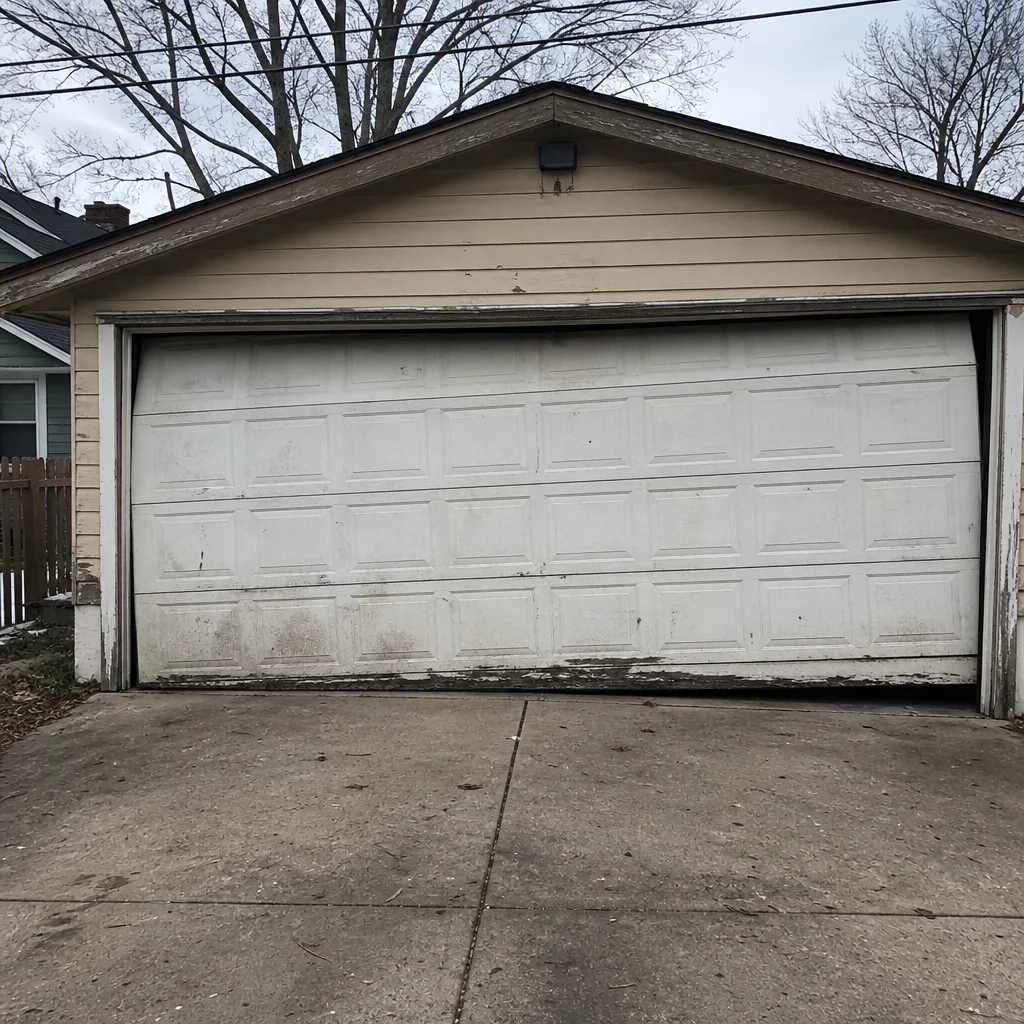 Before
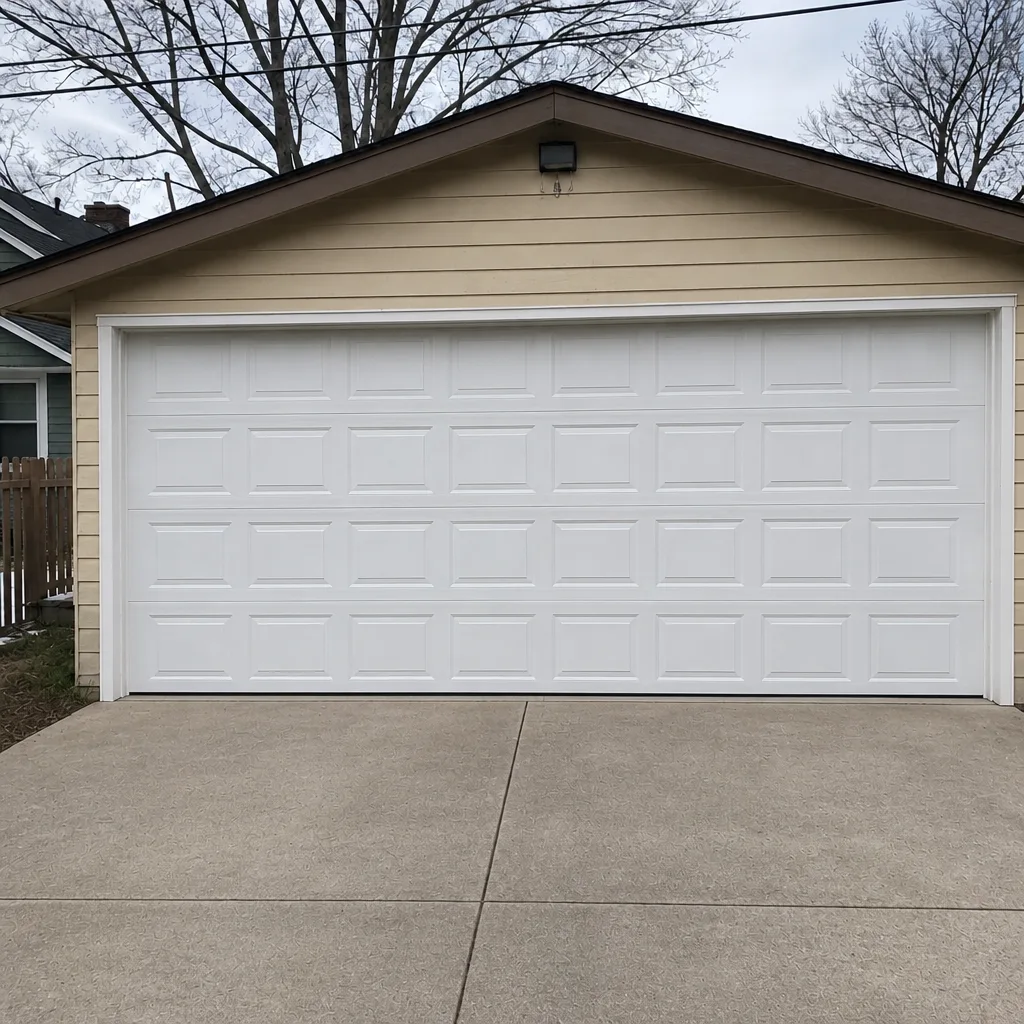 After
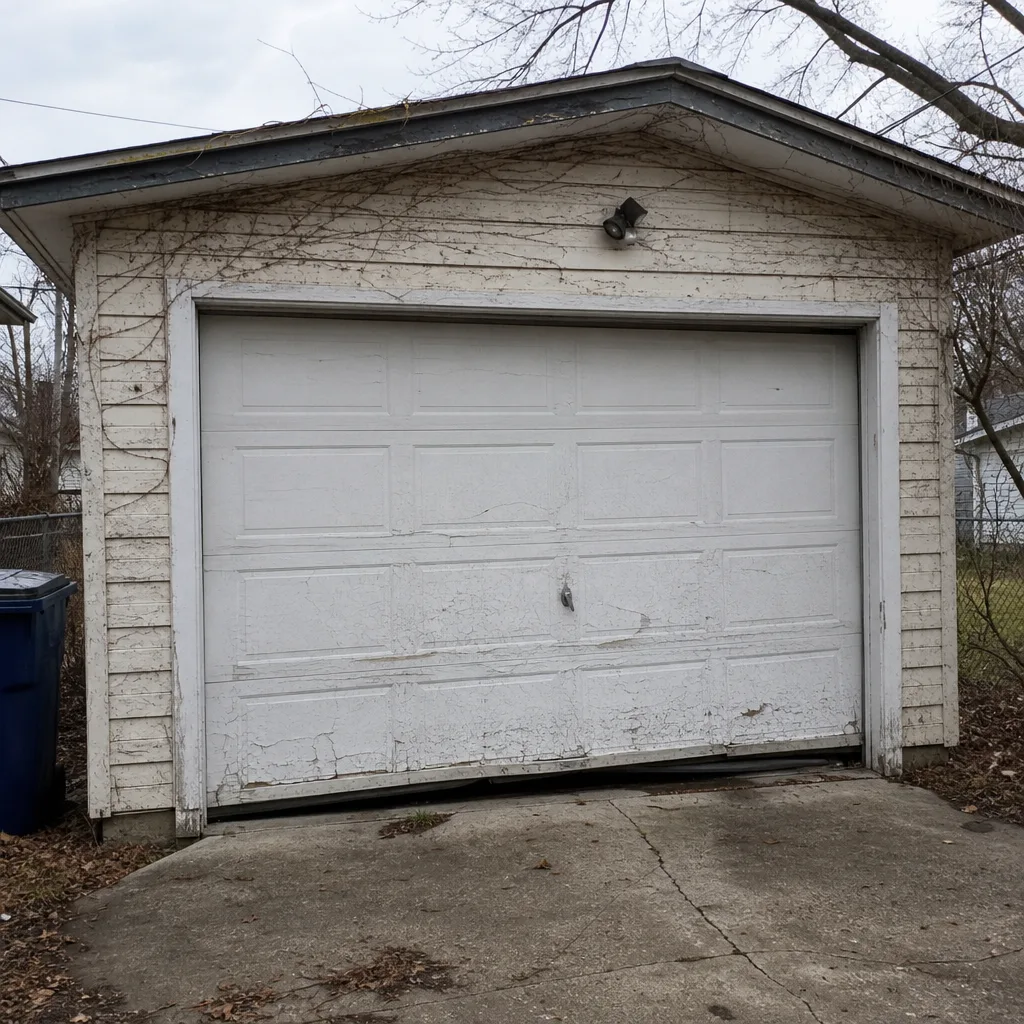 Before
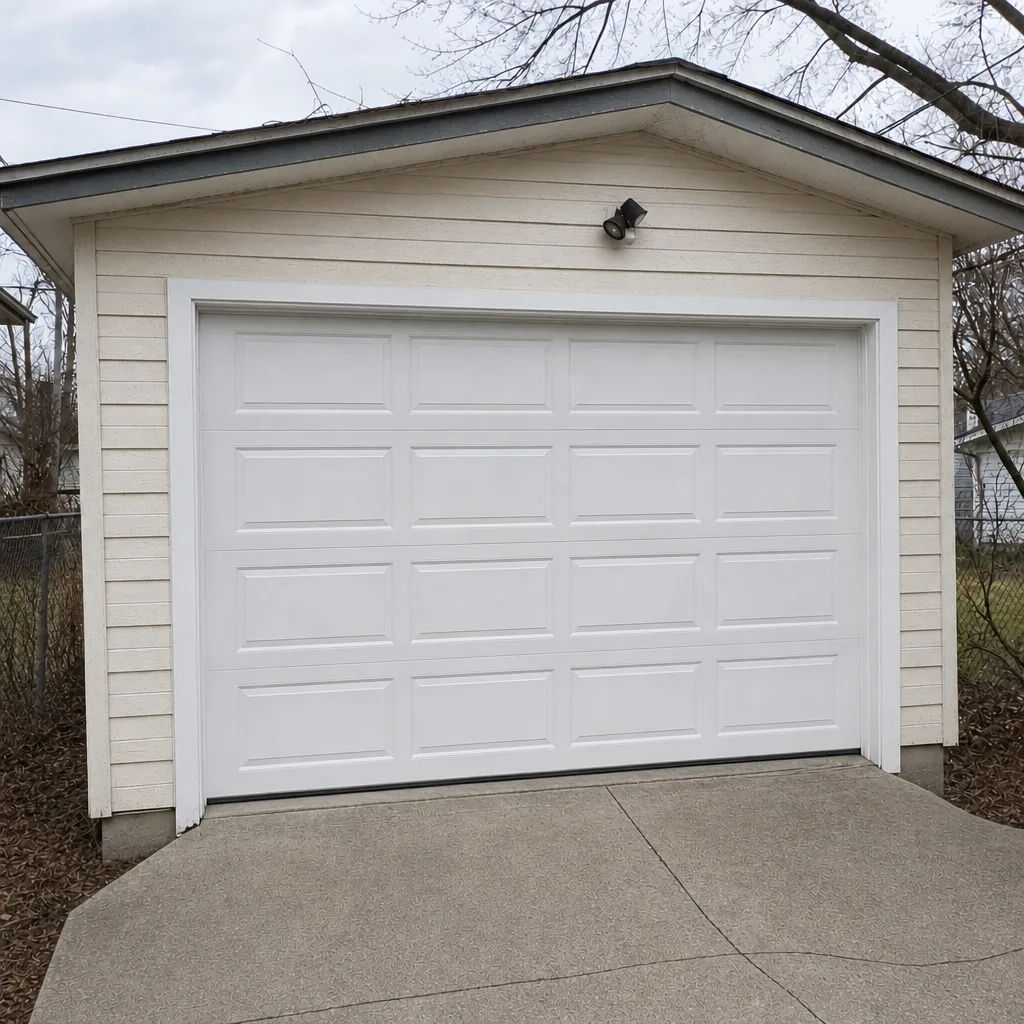 After
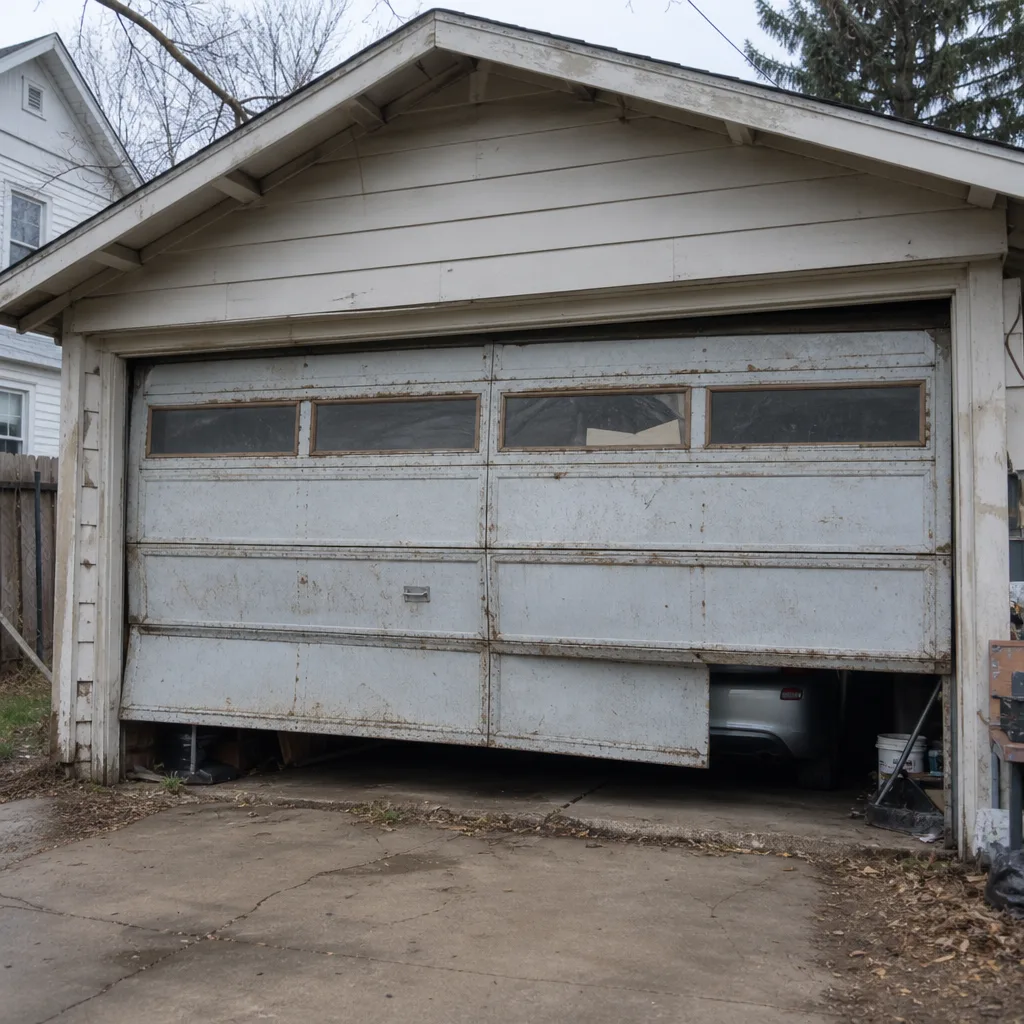 Before
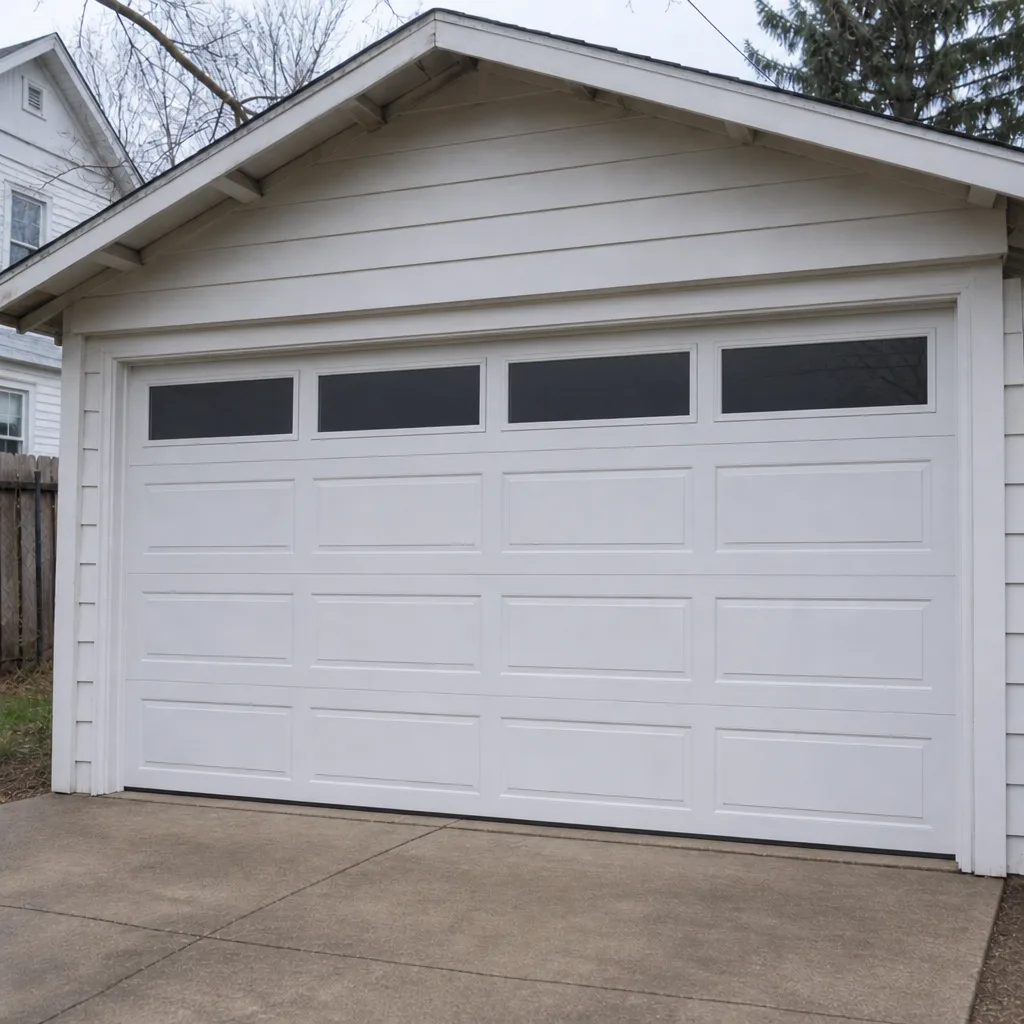 After
When to Call a Professional
Call us when the door starts misbehaving in ways that suggest a pending failure, or when you’re planning a job that might cross the structural line. Specific situations: a spring that’s snapped or is visibly sagging, a door that lifts harder than it used to, an opener that reverses unpredictably, cable fraying near the drum, or a panel that’s bent and catching on the track. Any of these deserves a look before the work gets more expensive. On the paperwork side, call when you’re planning a door replacement and you’re not sure whether the job needs a permit, or when you’ve found a prior owner’s unpermitted work and you need an experienced read on what the city will want to see.
Garage Door Repair Powderhorn offers free estimates in Powderhorn. Call (877) 352-5109 and we’ll walk through the scope, the permit question, and what the written estimate covers. Emergency service is available for urgent repairs when a door is stuck or the house is temporarily less secure, and our technicians have up to 15 years of experience with the door and opener systems common in this neighborhood.
Frequently Asked Questions
Often no, and sometimes yes. A same-size replacement that reuses the existing opening and hardware configuration is usually treated as a repair and does not require a permit. A job that changes the size of the opening, alters the framing or header, adds a new opening, or converts the garage to another use generally does require a permit through the city’s building department. The distinction is structural alteration versus repair. Call (877) 352-5109 for a free estimate and we’ll tell you which side your job falls on.
Door balance, spring and cable condition, the opener’s safety reverse function and photo-eye sensors, hinge and roller wear, track alignment, panel condition, and the fasteners that anchor the tracks to the framing. If a structural permit was pulled, the inspector also confirms the opening and frame match the permit. The inspection is a safety and function check, not a cosmetic review.
Minneapolis. The city’s building department issues the residential building permit for structural work on a garage door. Hennepin County handles the property record, including detached garage structures and their tax status. Both files exist, they’re separate, and both matter at resale. Ask the city about the permit; ask the county about the record.
Call the building department and ask about the process for a late permit or a compliance review. Most cities have a path for exactly this situation. Gather what records you can (county property record, any city permit history), let the city tell you what they need, and close the record out. A closed permit is a better answer at resale than an explanation.
The permit application and number, the inspection sign-off, the door spec sheet, the contractor’s written estimate and invoice, any warranty documents, and before-and-after photos. Keep them in one folder with the year of the work. A buyer’s inspector and your insurer will both ask for the same set of documents, and it’s cheaper to keep them than to reconstruct them later.
Not if the estimate was done properly. The written estimate sets the price, and we agree it before any work starts. When a job turns up something unexpected, that’s discussed with you first. For a per-job estimate on your door, call (877) 352-5109; estimates are free.
The Bottom Line
In Powderhorn, the permit question comes down to one distinction: repair doesn’t need a permit, structural alteration does. Springs, cables, rollers, openers, and same-size panel replacements are repairs. Changing the opening, altering the framing, or converting the structure is structural work, and that work runs through the Minneapolis building department, not Hennepin County. Detached garages bring their own layers: electrical permits, county records, and the alley-access questions that come with older structures. The paperwork from any permitted job has a second life, so keep it. And when a prior owner left an unpermitted door behind, the city has a route to close the record, but it’s easier to fix now than at the negotiating table.
If you’re not sure which side your job falls on, that’s exactly what the free estimate is for. Call Garage Door Repair Powderhorn at (877) 352-5109. We’ll look at your door, walk through the permit question, and give you a written estimate you can plan around. Our technicians handle repair, opener work, spring work, and complete installations, so one call covers the whole scope, whether it’s routine repair or a new door that needs the paperwork done right. Start with our Garage Door Repair Powderhorn page if you’d like to see the full picture of what we do.
Written by the team at Garage Door Repair Powderhorn.