Last updated November 22, 2026
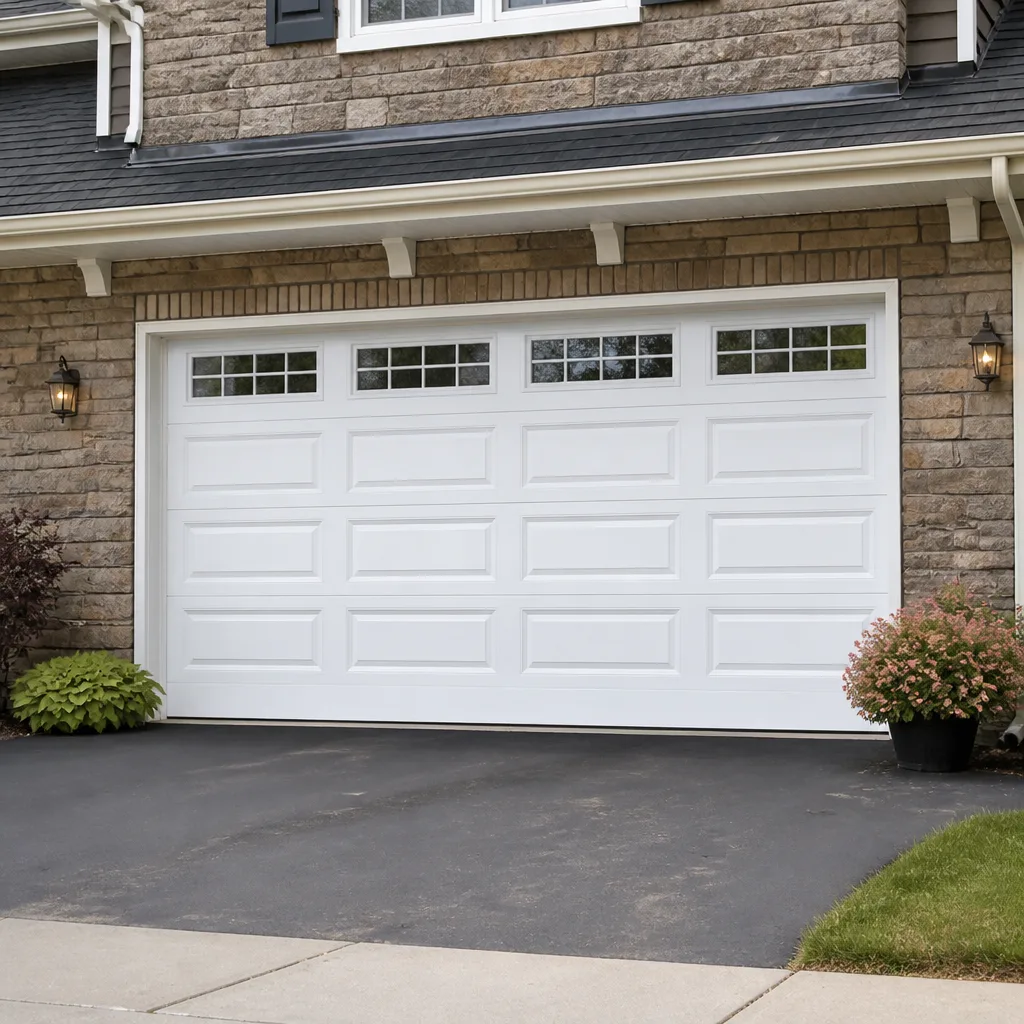 Raised-panel steel
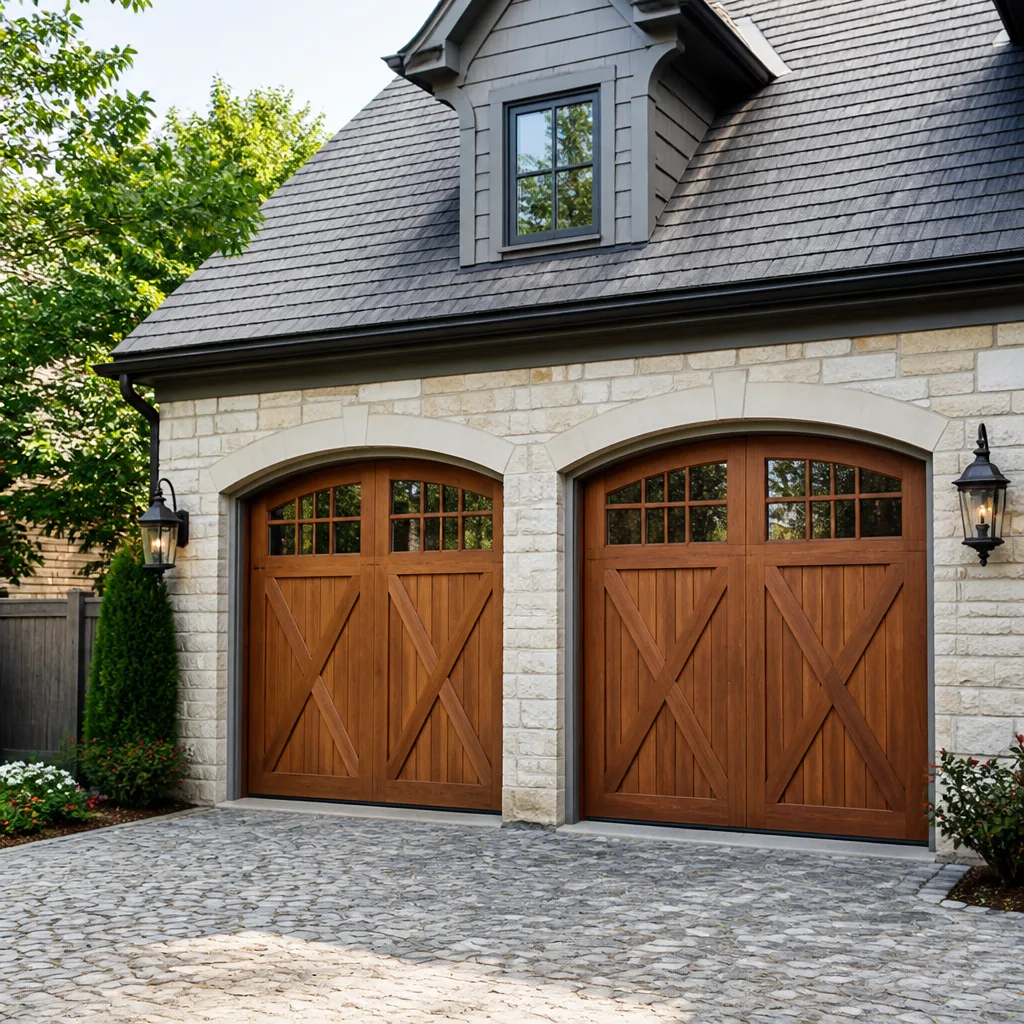 Carriage house
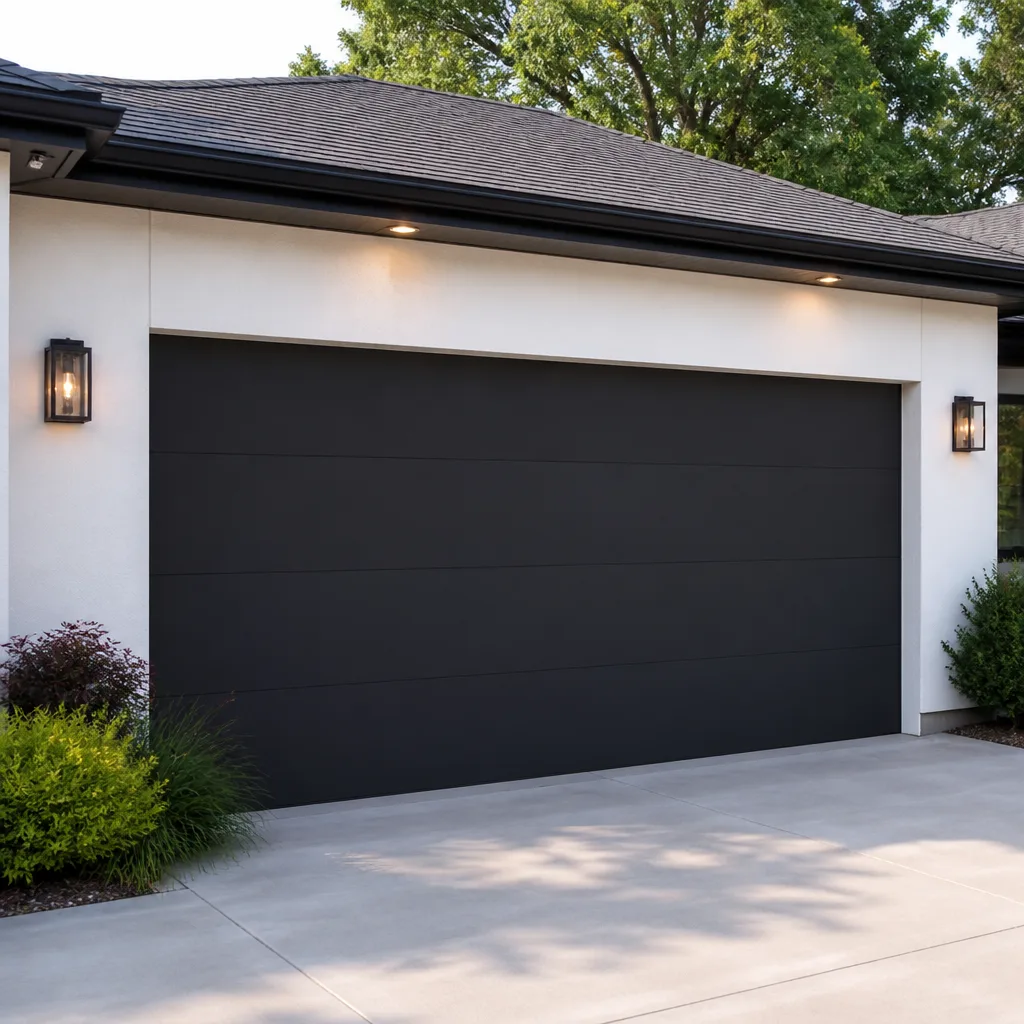 Modern flush
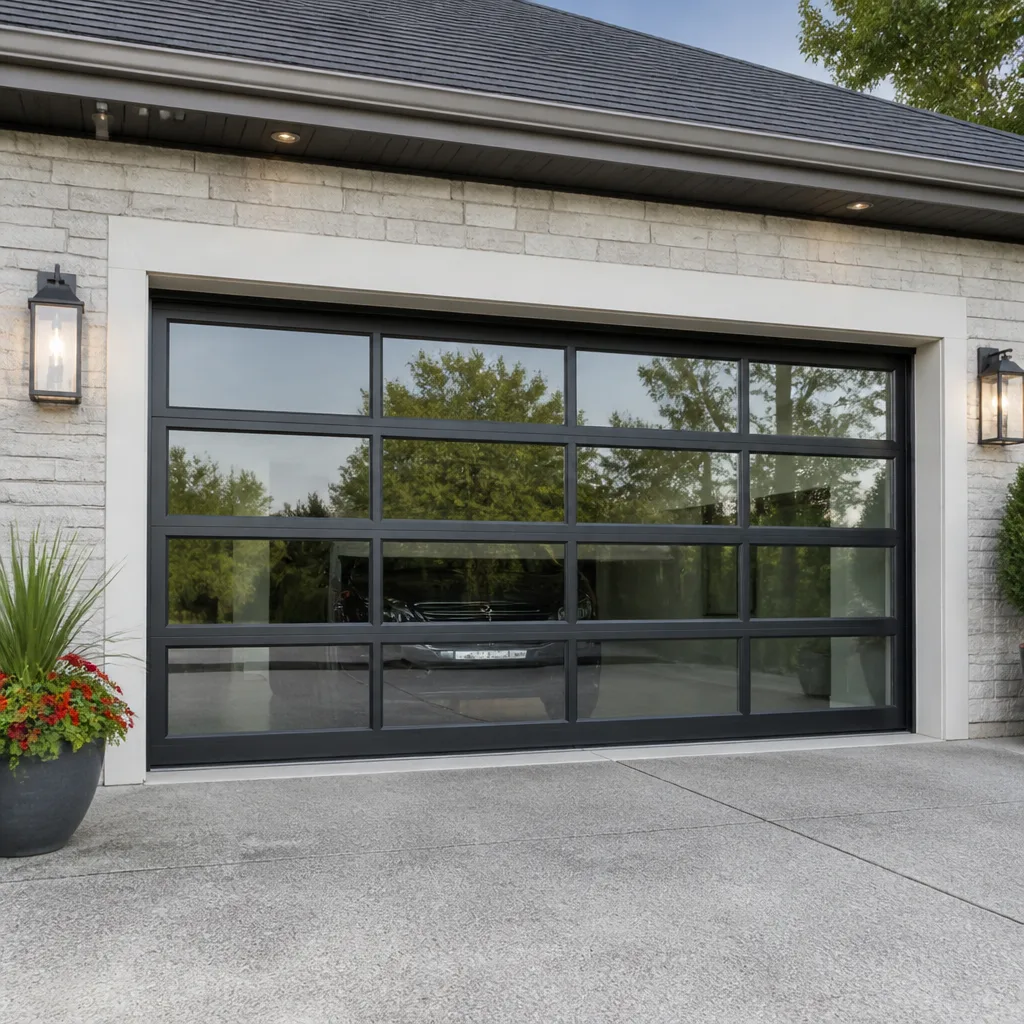 Full-view glass
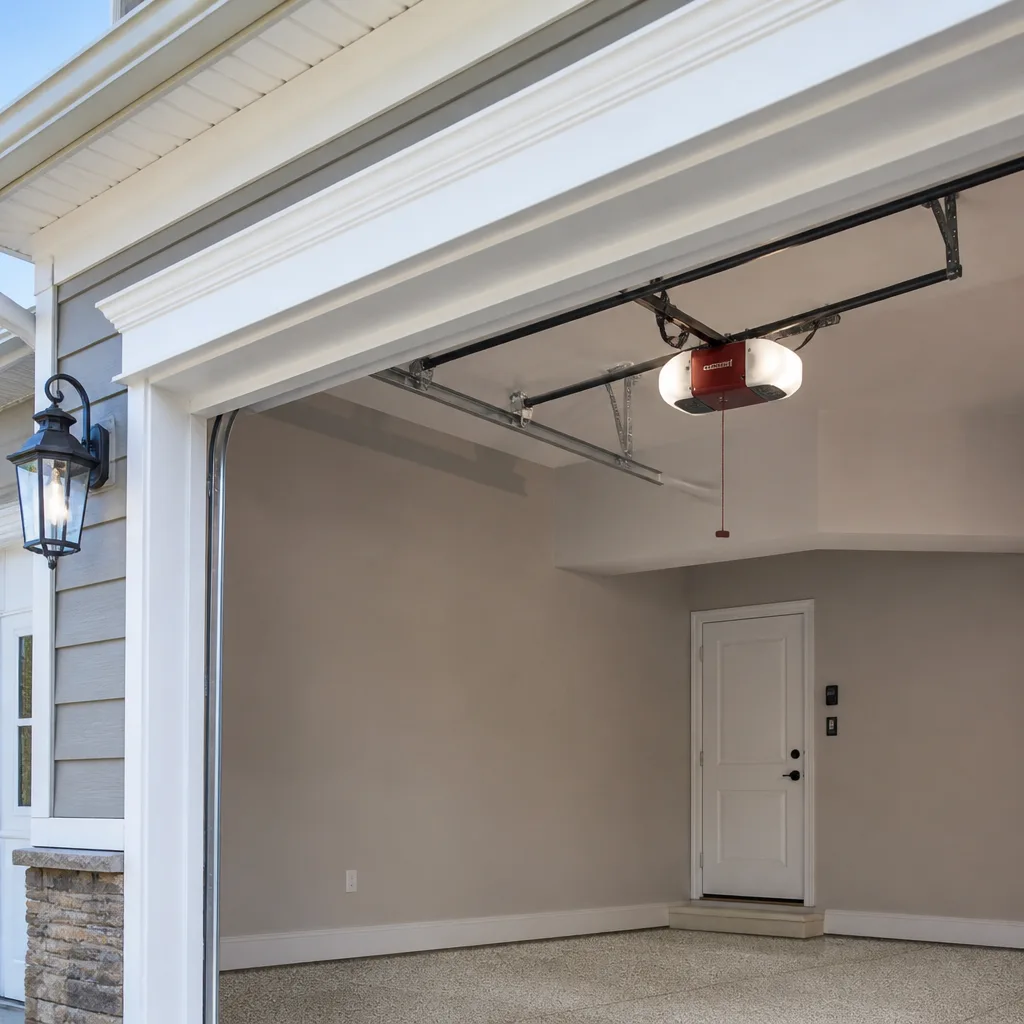 LiftMaster openers
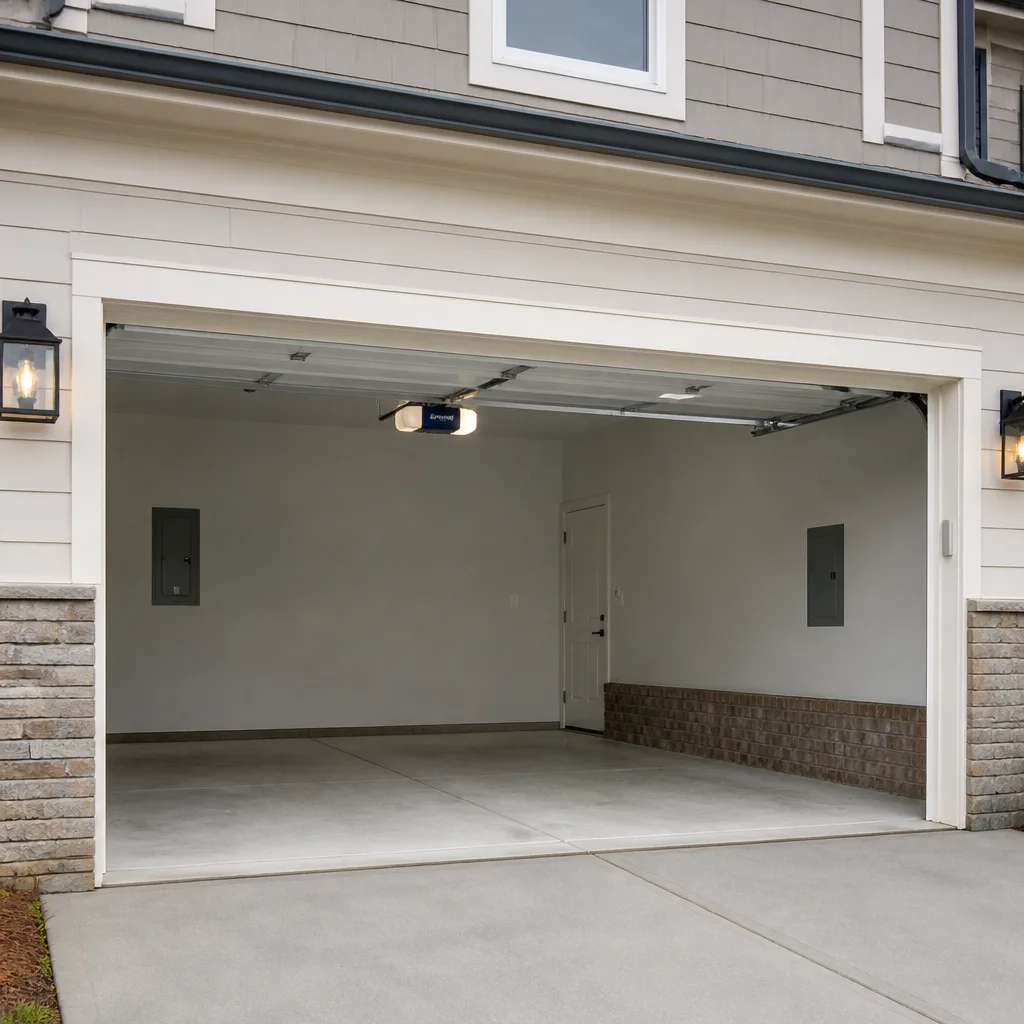 Chamberlain openers
Full 25-point door and opener safety check with every visit - springs, cables, rollers, tracks, and your LiftMaster or Chamberlain opener included
You get a price before we start. It does not change when the pro arrives.
Get your free estimateGarage Door Emergency Preparedness Guide for Powderhorn Homes
Most homeowners treat a garage door like an appliance that will always work. It won’t, and the timing usually stinks. The door that hums along fine all summer is the same door that groans, sticks, or refuses to close on a night when the wind chill turns your breath into ice crystals before you’ve crossed the driveway. Powderhorn winters ask more of a garage door than most owners realize, and the difference between a two-hour inconvenience and a night of open-ended exposure comes down to whether you planned ahead. This guide is that plan. You’ll learn how to disengage a dead opener by hand, how to seal off a door that won’t close, what to tell a technician so the right parts arrive, and how to build a quick-reference card you can grab in the dark.
Quick Answer
A garage door emergency in Powderhorn means the door poses an immediate risk to home security, vehicle access, or safe entry, and the right response is to secure the opening and call for emergency service rather than force the door. The most useful preparation happens before anything breaks: knowing how your manual release works, keeping the door clear of ice, and having your door’s brand and spring type written down so a technician can bring the right parts on the first visit.
Styles & brands we work with
- Raised-panel steel
- Carriage house
- Modern flush
- Full-view glass
- LiftMaster openers
- Chamberlain openers
Table of Contents
- Why Powderhorn Winter Changes Everything
- How to Safely Disengage Your Opener by Hand
- Temporary Security for a Door That Won’t Close
- Frozen Seals, Ice-Locked Tracks, and Cold Motors
- What to Tell a Technician on the Phone
- Know Your Brand Before You Need It
- The Fall Prep Checklist
- Your Laminated Emergency Card
Why Powderhorn Winter Changes Everything
A garage door failure in July is an annoyance. A garage door failure in February in Powderhorn is a different problem entirely. When your door won’t close and the outside temperature is plunging, you’re not just dealing with a broken machine. You’re dealing with an open hole in the largest wall of your home.
Here’s what changes in winter:
- Heat loss accelerates. An open garage door in a Powderhorn cold snap pulls warmth out of every room adjacent to the garage. Pipes in garage-adjacent walls face real risk.
- Security weakens fast. An open door is an open invitation. In winter, the short daylight hours mean a vulnerable opening is harder to spot from the street but just as exposed.
- Weather exposure compounds. Snow, sleet, and freezing rain blow into the opening and land on the tracks, the seal, and the door hardware. Every hour the door stays open adds repair work.
- Metal contracts. Cold makes steel shrink slightly, and components that were already close to failing, like a tired spring or a worn roller, tend to finish the job when the mercury drops.
The point isn’t to scare you. It’s to explain why our emergency garage door service treats a winter failure as a different job than a warm-weather one. The diagnosis is similar; the urgency and the follow-up damage are not. In Powderhorn, the door that fails in January needs to be stabilized, sealed, and warmed before normal repair work makes sense. A door that fails in July just needs fixing.
How to Safely Disengage Your Opener by Hand
Every automatic opener has a manual release, and almost every homeowner uses it wrong the first time. The red cord that hangs from your trolley isn’t a magic bypass. It’s a mechanical disconnection with real rules attached.
The manual release lets you operate the door by hand when the opener stops working or the power is out. Here is the correct sequence, and note the warnings along the way:
- Confirm the door is closed. The manual release should only be pulled when the door is in the fully closed position. Pulling it with the door open, or partway up, can send the door slamming down under its own weight.
- Stand clear and pull straight down. Grab the red cord and pull it firmly toward the floor until you feel the trolley latch release. You’ll hear or feel a click. Do not yank it sideways or try to force it.
- Lift the door by the lift handle, not the panels. Most doors have a designated handle at the bottom center. Grip that and lift slowly. A properly balanced door will feel light. A door that’s heavy or falls partway is a sign of a spring problem.
- Re-engage by reconnecting the trolley. When you’re ready to reconnect to the opener, close the door fully, then pull the release cord toward the door until it catches, or use the opener’s remote to cycle the door once. The trolley re-engages as the arm rides the rail.
One thing nobody should do is pull the release while a spring is broken or the door is sagging. If the door is at risk of coming down under its own weight, the safest move is to leave it in place, secure the opening as best you can, and call for help. Our garage door repair technicians handle this situation regularly in Powderhorn, and it’s one of the reasons we treat emergency service as a core offering rather than an add-on.
Also: if the door is already a quarter of the way up when the opener dies, don’t pull the cord to bring it down faster. Lower it by hand from the closed position. Gravity and a 200-pound door are not a combination to improvise with.
Temporary Security for a Door That Won’t Close
If your door stops halfway or won’t close at all, you need to make the opening safe before you do anything else. Here’s what actually works, and what gives false confidence.
What works
- A heavy-duty bar or brace across the bottom panel. A length of 2×4 or a purpose-built door brace wedged between the bottom panel and the floor stops the door from rolling up under spring tension. Place it at the bottom and lean it against the frame.
- Manual lock or bolt on the inside. If your door has a manual slide lock, engage it. This mechanically blocks the door from opening.
- Park a vehicle close behind the door if the opening is accessible from the inside. This is a physical barrier, not a security system, but it makes entry far more difficult.
- Close and lock the interior door between the garage and the house. This is the single most important step. Whatever happens with the garage door, the house must stay sealed. If you have a pet door between the garage and the house, block it too.
What doesn’t
- Wedging a chair or box under the door. It looks reassuring but a door under spring tension will fold or crush whatever you put under it. This is the false confidence trap.
- Taping the opening shut. Tape doesn’t stop a person and doesn’t stop the cold. It communicates “empty house” to a passerby more than it protects anything.
- Leaving it open and hoping. In a Powderhorn winter, this is the worst option on the list. Exposure and risk climb by the hour.
Once the opening is stable and the house is sealed, call for an emergency technician. Our team takes these calls all winter and knows how to stabilize a door in cold conditions before doing the permanent repair. If you want to understand what the repair side of that call looks like, our garage door opener repair page goes into what can actually fail so you can be ready.
Frozen Seals, Ice-Locked Tracks, and Cold Motors
Not every winter failure is a broken part. A lot of them are weather problems that look like mechanical ones. In our experience with Powderhorn winters, three issues account for a large share of calls.
Frozen bottom seals
The rubber or vinyl seal at the bottom of the door can freeze to the concrete when snowmelt pools under it and refreezes overnight. The opener runs, the door lifts, the seal tears, and now you’ve got a gap for the rest of the season. The fix here is protective, not just corrective: keep the threshold clear of standing snow, and if the seal has frozen once, it’s worth checking the bottom for tears before the next cold snap.
Ice in the tracks
If water gets into the vertical tracks and refreezes, the rollers bind, the door stalls, and the opener either reverses or shuts off. Never chip ice out of a track with a metal tool. You’ll gouge the steel, and a damaged track will bind the rollers even after the ice is gone. Instead, keep the tracks clear after every snow, and if ice forms, let a technician clear it safely.
Opener motors in extreme cold
Motor capacitors and worn drive gears tend to fail in cold. A motor that forces through the cold will strain harder, and the extra load trips the safety reversal. If the opener runs but the door won’t move, that’s usually the opener, not the door. If the opener trips and stops, that’s often the door fighting back. Knowing which one you’re facing saves a round trip. That’s where garage door repair diagnosis from someone trained on the major brands makes the difference. We work on LiftMaster, Chamberlain, Genie, Clopay, Amarr, Wayne Dalton, Craftsman, and Raynor hardware, which means we can usually identify the failure over the phone.
What to Tell a Technician on the Phone
Here’s the counterintuitive part: the more you can tell a technician before they arrive, the faster the repair goes. The right parts on the first trip save you a second visit, and in a Powderhorn winter a second visit means another night with an open door.
When you call, have these details ready:
- What the door is doing. “Won’t close” is a symptom. “Runs three feet then reverses” is a diagnosis clue. “Hums but doesn’t move” points at the opener. Be specific about the behavior.
- What the opener is doing. Does it light up? Does the safety reverse trigger? Does the remote work but the wall button not? These details narrow down the opener’s failure mode before anyone touches it.
- The door brand and material. Steel, wood, aluminum, insulated or not. If you don’t know the brand, look for a sticker on the bottom panel or the inside of the frame. This is information we can work with when it’s already written down.
- The opener brand and model. Grab the model number from the motor housing or the wall unit. That’s the number that tells us whether parts are likely on hand or need ordering.
- Spring type and approximate age. Torsion or extension? One spring or two? If you don’t know, that’s fine, but a trained eye can often tell over a quick description.
- Whether the door is currently secured. If you’ve done the temporary security steps, say so. It tells the technician whether the situation is urgent or urgent-but-contained.
- Address access notes. Narrow driveway? Low clearance? Winter snowbank in front of the door? These details affect how an emergency visit is staged.
If you want a single reference point for that call, our home service team at (877) 352-5109 is set up to collect those details in one pass. The goal is one call, one arrival, one repair. Data collected up front makes that possible.
Know Your Brand Before You Need It
Garage doors and openers aren’t interchangeable. The brands on the market diverge in real, mechanical ways, and knowing what you own cuts down on guesswork and repeat visits.
We’re trained on the following brands, so you don’t need to figure out whether a technician can handle what you have:
- The openers: LiftMaster, Chamberlain, Genie, Craftsman, Raynor
- The doors: Clopay, Amarr, Wayne Dalton
Not every brand needs to be relevant to you. What matters is that when your door fails, you don’t have to wonder whether the technician knows your model. A LiftMaster or a Chamberlain logic board, a Genie belt drive, a Wayne Dalton panel, or a Raynor commercial-grade track all have their own quirks and parts. We’ve seen enough Powderhorn doors to know which ones fail at the spring, which ones bind at the bottom seal, and which ones need an opener upgrade rather than an opener repair.
That’s also why we ask brand first and brand-agnostic recommendations second. If your opener is a Chamberlain and the door is a Clopay, we’re not going to push a brand swap you don’t need. We’re going to fix what’s broken and tell you honestly whether the hardware has life left in it. That’s the point of a multi-brand specialist: the answer is driven by your setup, not by what happens to be sitting on a shelf.
If your door has reached the end of its life and the repair math doesn’t make sense, garage door installation is the other conversation to have. It’s usually a scheduled job, not an emergency, but knowing it’s an option makes the repair-versus-replace decision easier when the time comes.
The Fall Prep Checklist
October is when a Powderhorn homeowner has the most options. Every task below is quick, cheap, and prevents a February call.
Before the first hard freeze
- Lubricate the rollers, hinges, and springs with a purpose-made garage door lubricant. Not WD-40, which attracts grit. The right product keeps the mechanism operating in cold.
- Inspect the bottom seal for cracks, splits, and gaps. A seal that’s starting to fail is the seal that freezes to the concrete and tears in January.
- Test the safety reverse by placing a 2×4 under the closing door. The door should reverse on contact. If it doesn’t, the opener’s safety system needs attention before the cold.
- Balance-test the door by hand with the opener disengaged. Lift it halfway; it should hold there. If it drops, the spring is tired and the opener will strain in cold weather.
- Clear the tracks of debris, including any small stones or leaves that could bind a roller.
- Check the weatherstripping around the frame and replace any that’s stiff or pulling away. Cold air gets through the smallest gap.
- Write down every spec we covered above on the emergency card in the next section.
Before the first storm
- Clear snow from the door’s path after every storm, and keep the area directly in front of the door snow-free.
- Watch the threshold for ice buildup. A dethawing refreeze is how bottom seals fail.
- Keep the interior door to the house closed and locked as your default, not just during emergencies.
Your Laminated Emergency Card
This is the part of the guide we hope you actually do. A card taped inside the door frame, or kept in the glove box, or stored in the kitchen drawer near the garage door keypad. In a February emergency, in the dark, at 10 PM, you don’t want to be reading a manual. You want one card that tells you what to do.
Write or print the following fields on an index card or a sheet of paper, then have it laminated at any office supply store. Fill in your own details:
- Door brand and model: __________
- Door material and insulation: __________
- Opener brand and model: __________
- Spring type: torsion or extension (circle one)
- Number of springs: __________
- Manual release location: red cord hanging from trolley
- Emergency service number: (877) 352-5109
- House interior door location: __________
- Where the vehicle is parked: __________
- Who secures the house if I’m away: __________
Then add these instructions right below the details:
- If the door won’t close: seal the interior door first, then the opening, then call.
- If the opener stops: confirm the door is fully closed before pulling the manual release.
- If the door is partway up and the springs are suspect: do not force it. Call for help.
- If ice has formed in the tracks: do not chip. Call for help.
That last one is the line most homeowners forget. In Powderhorn, ice and cold are the second most common cause of emergency calls after spring failure, and a chipped track turns a straightforward repair into a track replacement. The card is your reminder to stop, breathe, and call before you make it worse.
Common Mistakes to Avoid
- Pulling the manual release while the door is open. The trolley only disconnects safely when the door is fully closed. Pull it at any other position and you can drop the door. That’s the most common way people get hurt before they even call for help.
- Chipping ice out of the tracks with a screwdriver or chisel. You’ll gouge the steel and turn a thaw-and-go into a track replacement. Clear the track gently or call for a technician.
- Using WD-40 on the rollers and springs. It’s a solvent, not a lubricant, and in cold weather it leaves the mechanism dry and grinding. Use a purpose-made door lubricant.
- Running the opener repeatedly on a door that’s binding. Every cycle with a binding roller or a stuck seal puts strain on the opener’s motor and gears. Two or three tries is diagnostic. Ten is a repair bill.
- Waiting until February to test anything. A door that works fine in July can fail on the first hard freeze. The fall prep checklist exists because October gives you options that February doesn’t.
- Forcing a door that has a broken spring. Springs, whether torsion or extension, are under extreme tension, and a broken spring can have sharp edges or release stored force if someone tries to muscle the door. This is a trained-technician job, full stop.
- Ignoring the “runs but reverses” symptom. That’s usually a safety-system issue or a load problem, and letting it go through a Powderhorn winter makes both worse. It’s the symptom most likely to escalate into a no-close emergency.
See the difference
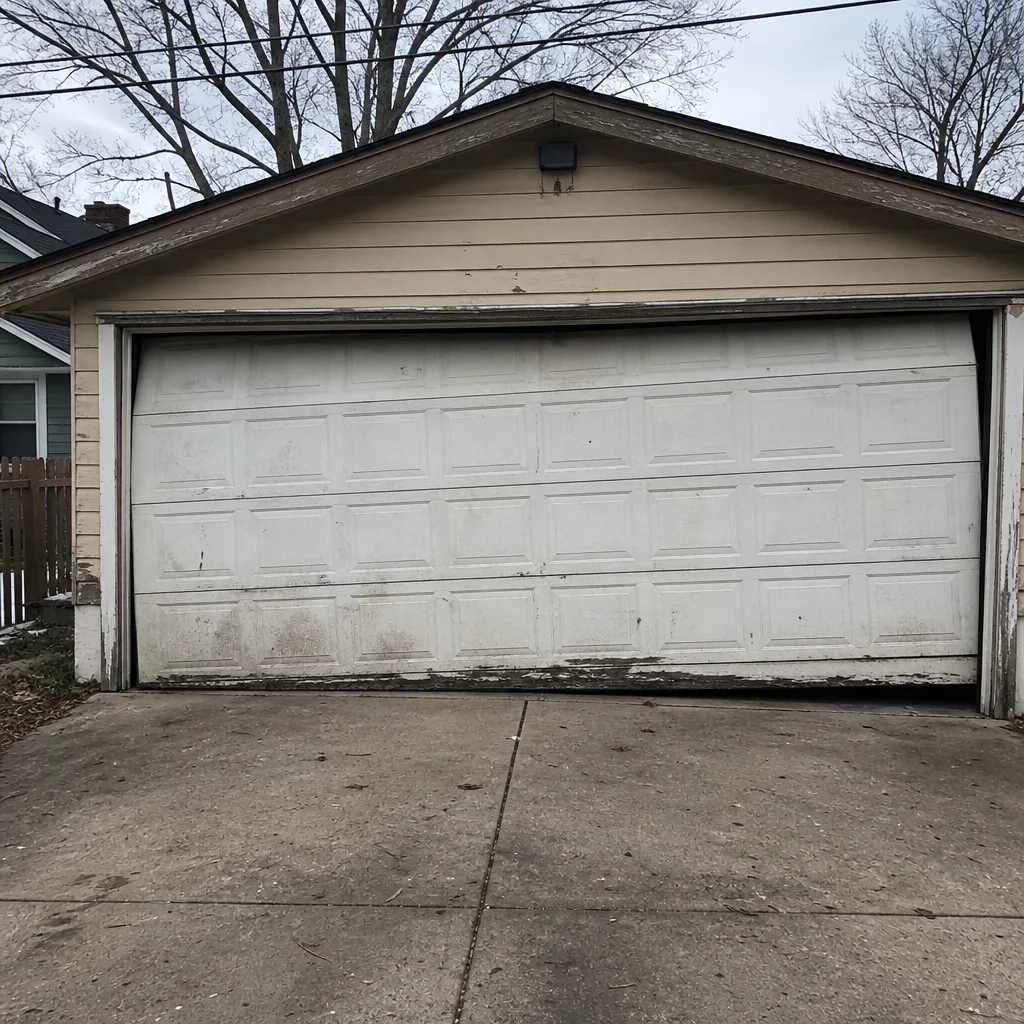 Before
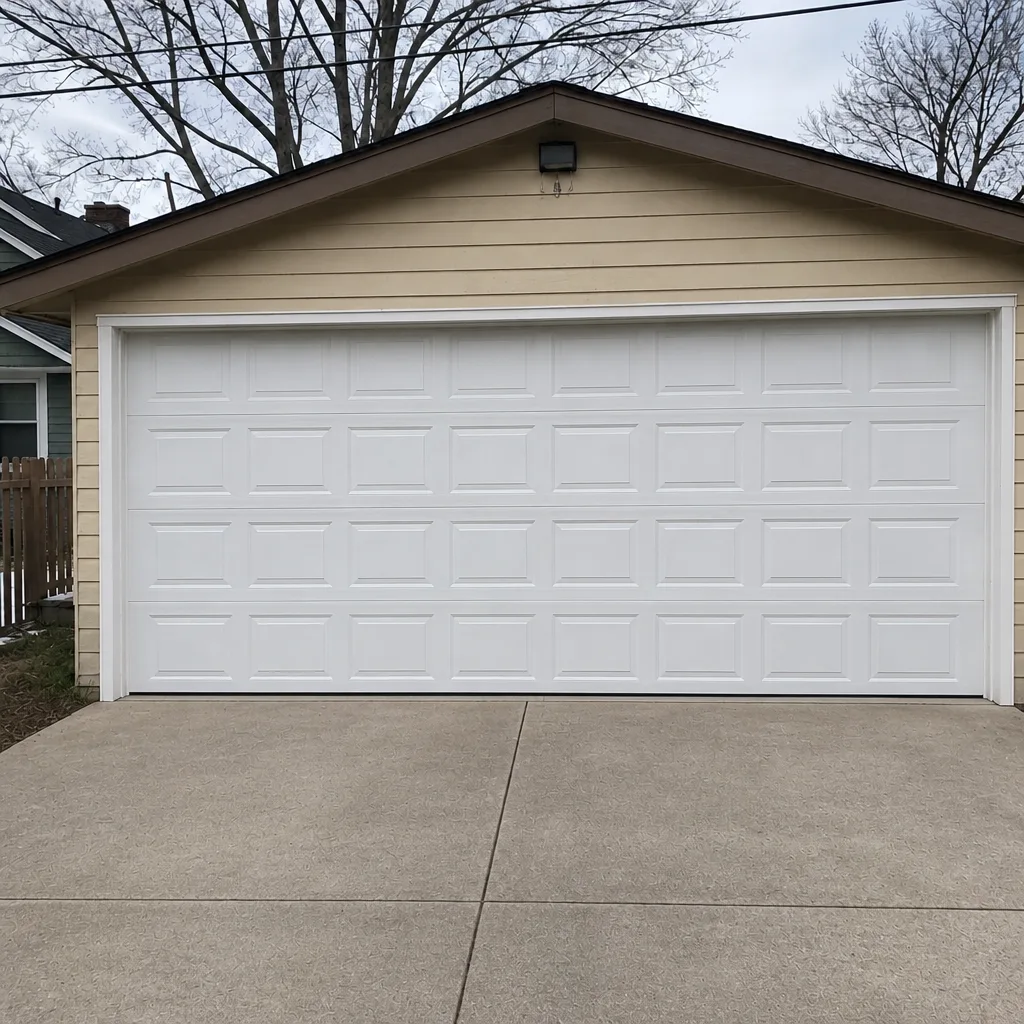 After
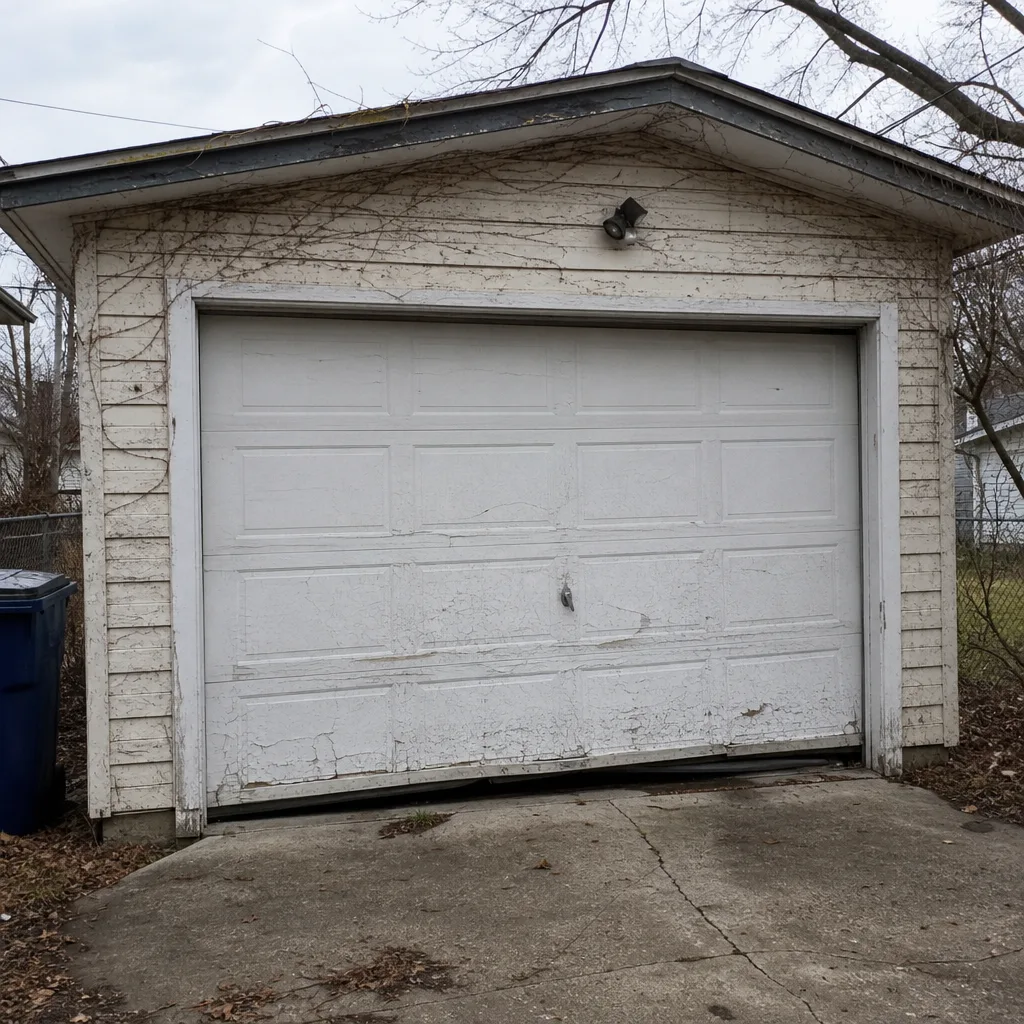 Before
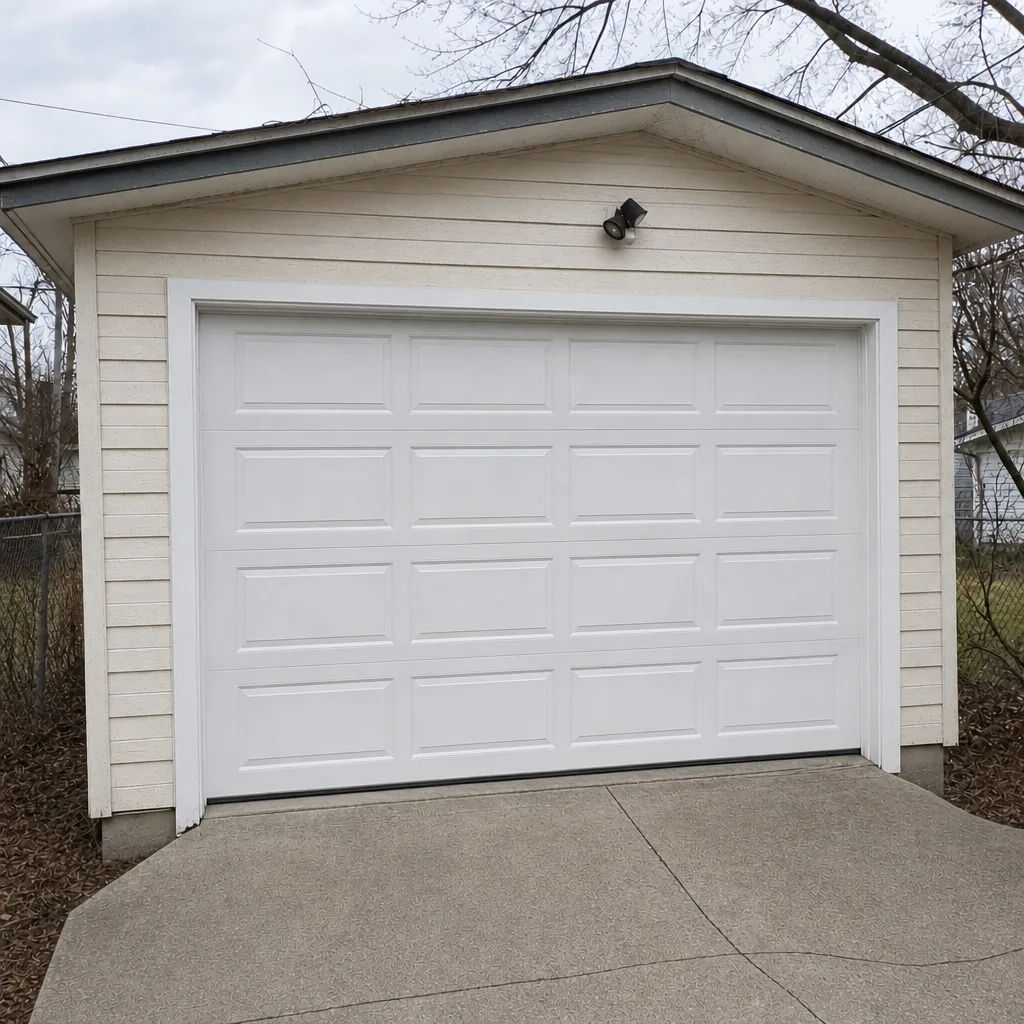 After
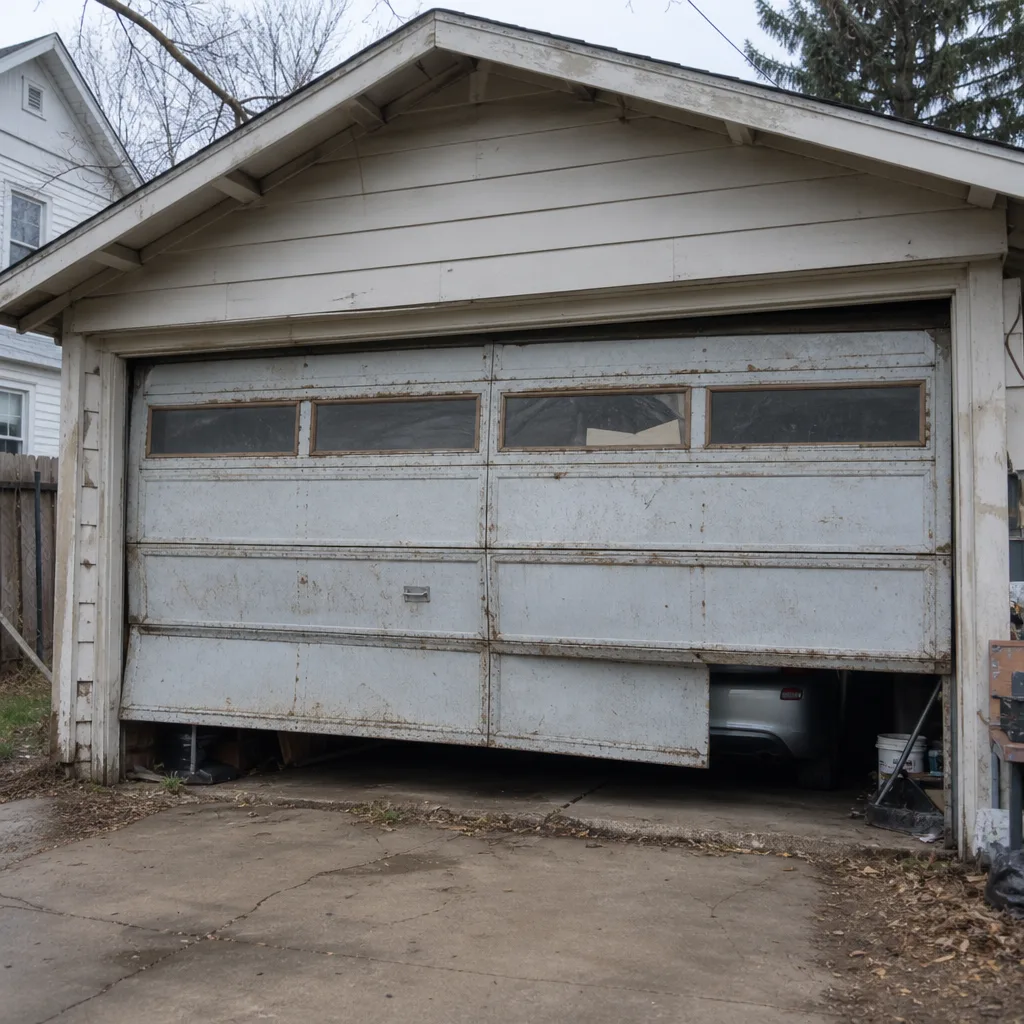 Before
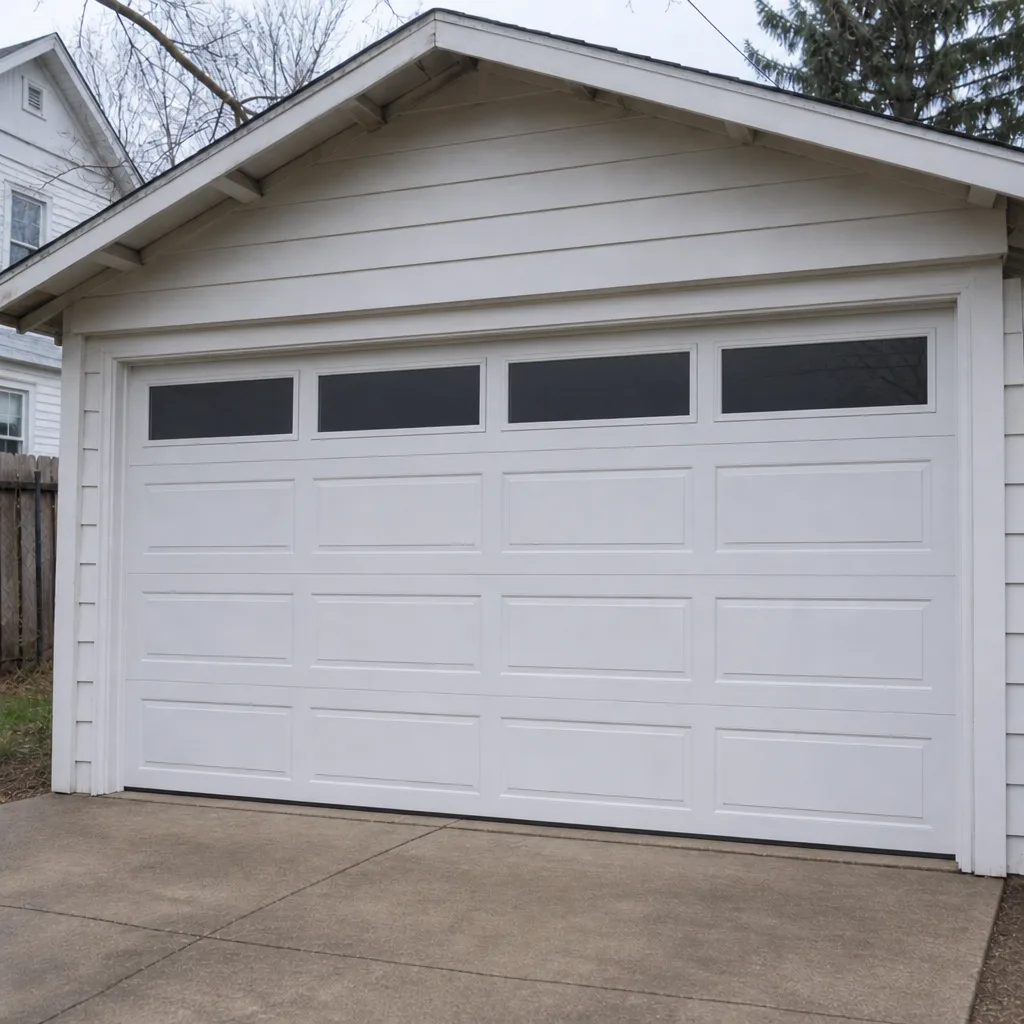 After
When to Call a Professional
Some problems are obvious. A snapped spring, a door that came off its track, an opener that hums and refuses to lift, or a door that won’t close on a cold Powderhorn night: all professional territory. Spring failure in particular is a job for trained hands. The hardware stores enough energy to injure someone who isn’t prepared, and a DIY repair on a high-tension spring can turn a simple fix into a hospital visit. Spring repair done safely, done right is what our technicians are trained for, and it’s a job we take seriously.
Our emergency garage door service covers broken springs, stuck doors, off-track doors, and failed openers, all year round, all season long. Same-day and emergency service is a core part of what we do, and our technicians have up to 15 years of experience on the brands you already own.
Garage Door Repair Powderhorn offers free estimates in Powderhorn. Call (877) 352-5109 and we’ll get the details right the first time. One call covers the diagnosis, the parts, and the repair. No second company, no held breath.
Frequently Asked Questions
Secure the house before anything else: close and lock the door between the garage and the house, then block the garage opening with a brace or park a vehicle behind it. Then call for emergency service. Don’t try to force the door down or pull the manual release unless the door is fully closed. Once you call (877) 352-5109, our team will walk you through the temporary measures that actually work and get a technician on the way.
Only when the door is fully closed, pull the red manual release cord straight down until the trolley disconnects, then lift the door by its handle. Re-engage it by closing the door fully and cycling the opener or pulling the cord toward the door. Pulling the release when the door is open or partially open is dangerous and can cause the door to drop.
Yes. In Powderhorn winters, a stuck door isn’t just an inconvenience; it’s a heat-loss and security problem at the same time, and the temporary fix has to hold against freezing conditions. Warm-weather failures are usually a single mechanical issue. Cold-weather failures often involve a combination of the door, the seal, and the opener all at once. That’s why we treat winter emergencies as priority calls.
No. Repair work is quoted and agreed before we start. The estimate you receive on the phone is where we start, and a written estimate confirms it before any work begins. If the diagnosis reveals something the phone call couldn’t catch, that gets a new estimate and your approval before the work starts. You’re never handed a surprise invoice.
We’re trained on LiftMaster, Chamberlain, Genie, Clopay, Amarr, Wayne Dalton, Craftsman, and Raynor hardware. That covers the doors and openers found in most Powderhorn homes, and it means the technician arriving already knows the model family. If you’re not sure of your brand, look for a sticker on the bottom or inside panel, or on the opener housing.
Yes, emergency garage door service is available for urgent repairs that compromise home security or vehicle access, and a door stuck open qualifies. Call (877) 352-5109 for fastest scheduling. Have your door and opener details ready: behavior, brand, model number, and what you’ve already done to secure the opening. Our team collects those details in one call so the right parts go on the truck the first time.
The local professional we send out is licensed and insured as their state requires. We connect you with vetted local technicians, and the same team that takes your call coordinates the visit. If your insurer has questions, we can work with your insurer on what’s needed.
The Bottom Line
A garage door emergency in Powderhorn is a two-season problem: the failure is often mechanical, but the consequence is measured in heat, daylight, and security. The door that fails in July gives you options. The door that fails in February doesn’t. The plan is simple: know your manual release, secure the interior door first, know what to tell a technician, and get the details of your door and opener onto a laminated card before the first freeze hits. Then keep a technician you trust one call away, and let the emergency stay an inconvenience instead of becoming an exposure problem.
Contact
Whether you’re facing a broken spring tonight or you’d like a free estimate before the cold snaps hit Powderhorn, we’re ready to help. Call (877) 352-5109 for a free estimate and to talk through what your door needs. Our team handles repair, spring repair, opener repair, installation, and emergency service, so one call covers it all. No second company, no subcontracting, no repeat visits.
Written by the team at Garage Door Repair Powderhorn.